
People love having cats as pets. In 2025, cat ownership in the US increased to 76.3 million. However, having a pet cat comes with a lot of responsibilities. You need to take care of its food, water intake, and most importantly, its health.
In this guide, we learn about different feline diseases, their common symptoms, how to prevent them, and when to seek professional help.
Key Takeaways

- Cats are masters at masking their illness, so keep an eye out for subtle and abnormal behavior changes, which can be the earliest sign of a serious condition.
- Diarrhea, vomiting, weight changes, and appetite loss are some common symptoms across feline diseases and should never be taken lightly.
- Preventive care, a balanced lifestyle, and regular vet checkups play an important role in detecting and preventing chronic diseases.
Feline Lower Urinary Tract Disease (FLUTD)
Feline lower urinary tract disease is a comprehensive term for various bladder and urethral conditions in cats. These problems can affect a cat at any stage, but are most common in middle-aged, obese, and indoor cats.

The symptoms include inappropriate urination, straining to urinate, frequent visits to the litter box, urinating in small volumes, blood in urine, and vocalizing while urinating.
Chronic Kidney Disease (CKD)

Chronic kidney disease (CKD), also known as renal insufficiency, happens due to irreversible kidney damage. Mostly senior cats suffer from this, but cats at any age can be affected. The symptoms may include increased thirst, urination, and weight loss.
Dental Problems
According to some studies, 50% to 90% of cats over 4 years old have some form of dental disease. Periodontal disease is one of those conditions where the dental structure of a cat (gums and bones) gets inflamed and infected.

Many cats do not show any symptoms until it becomes severe. Symptoms are bad breath, drooling, difficulty chewing hard food, bleeding gums, and oral pain.
Upper Respiratory Infections (URIs)

Upper respiratory infections affect cats at all ages, particularly kittens. This condition is prevalent in cats that are from shelters, outdoor cats, or those that are housed in crowded conditions. Pet owners notice symptoms like nasal and ocular discharge, coughing, sneezing, fever, lethargy, and appetite loss.
Parasites
Fleas are one of the most common external parasites that infest your feline friend. They cause itching and discomfort and can even transmit diseases such as tapeworm, Bartonella, and Rickettsia.

Moreover, intestinal parasites are also prevalent in cats of all ages. Many cats show no symptoms. However, some may show signs such as vomiting, diarrhea, dull coat, weight loss, and appetite loss.
Obesity
In the United States, around 61% of cats are overweight, as per the Association for Pet Obesity Prevention. Obesity increases the chances of other illnesses, such as diabetes, cancer, heart problems, and osteoarthritis. Obesity also impacts your cat’s lifespan and quality of life.
Hyperthyroidism

In hyperthyroidism, the thyroid gland overproduces thyroid hormone. This condition is frequently found in middle-aged and senior cats. Symptoms that your cat suffers from this condition include weight loss, increased appetite, excessive urination and vomiting, and increased vocalization.
Diabetes Mellitus
Just like humans, cats also develop diabetes, particularly Type II. This disease is mostly prevalent in male cats aged 10 to 13, especially those who are obese. Pet owners mostly notice symptoms like extreme thirst, more urination, and increased appetite with weight loss.
Inflammatory Bowel Disease (IBD)
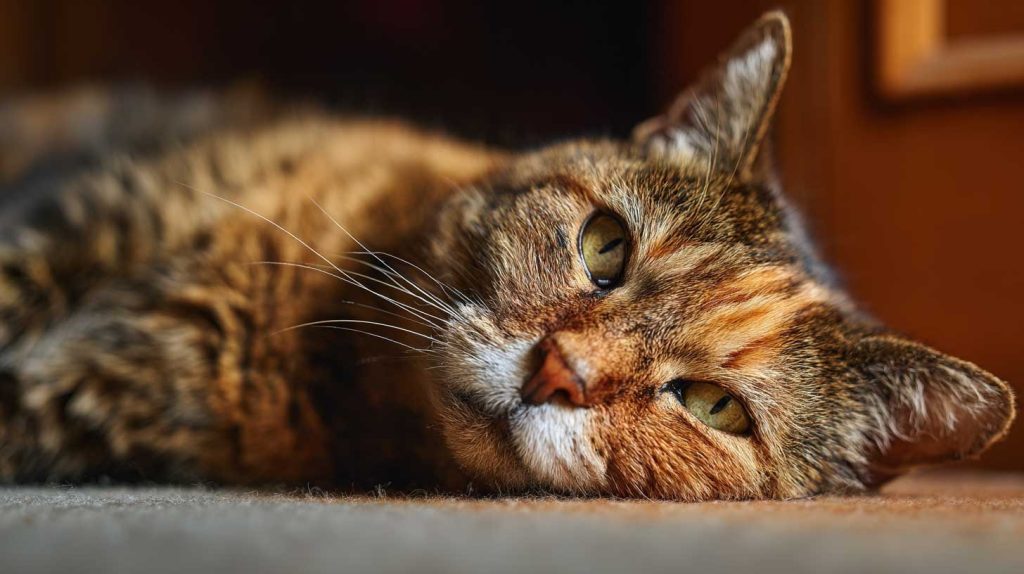
Inflammatory bowel disease is severe inflammation and irritation of the gastrointestinal tract. It can happen due to diet, environment, genetics, gut bacteria, and an abnormal immune system. This disease is mostly found in middle-aged and senior cats. Pet owners may notice the symptoms of vomiting, poor body condition, weight loss, diarrhea, and abdominal pain.
Hypertrophic Cardiomyopathy (HCM)
This is the most common heart disease found in cats. HCM causes the muscular walls of a cat’s heart to thicken, making blood pumping difficult. Many cats show no sign of this condition, while others may develop an abnormal heart rate. Cats with HCM may also exhibit coughing, difficulty breathing, lethargy, and intolerance to exercise.
Lymphoma
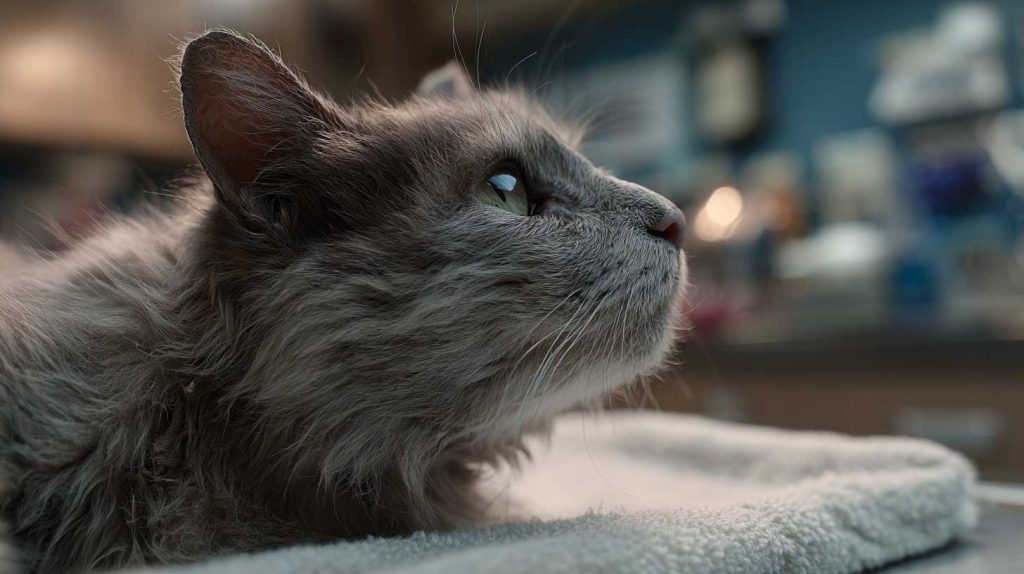
Lymphoma is one of the most commonly diagnosed cancers in cats. It is a cancer of the lymphatic system and can be present in any area of the feline’s body. However, gastrointestinal lymphoma is most common. The symptoms are loss of appetite and weight.
Feline Leukemia Virus (FeLV)
In the US, 2 to 3 percent of cats suffer from FeLV. This virus spreads from cat to cat through mutual grooming, bite wounds, and sometimes even sharing litter boxes and dishes. Kittens are most at risk of this disease. Cats suffering from this virus are more susceptible to cancer, blood diseases, and secondary infections.
Feline Immunodeficiency Virus
Feline Immunodeficiency Virus (FIV) is an immunosuppressive virus. It primarily spreads from one cat to another through bite wounds. This condition eventually progresses into feline AIDS (acquired immunodeficiency syndrome), putting cats at risk of secondary diseases.

In addition to these specific diseases, cats may also experience broader health issues that affect multiple systems. This table shows common conditions, their symptoms, and when to take veterinary help.
| Health Category | Common Signs | Possible Causes | When to See a Vet |
| Allergies & Asthma | Sneezing, wheezing, itching | Dust, food, pollen | Breathing difficulty, persistent symptoms |
| Gastrointestinal Disorders | Vomiting, diarrhea, and appetite loss | Diet changes, parasites | Symptoms lasting over 24 to 48 hours |
| Eye Problems | Redness, discharge, squinting | Infections, injuries | Swelling, vision changes |
| Ear Conditions | Head shaking, bad odor | Ear mites, infections | Pain, frequent scratching |
| Skin Conditions | Hair loss, scabs, itching | Fleas, allergies, and infections | Open sores or worsening irritation |
When to Seek a Veterinarian’s Help
You should immediately take your cat to a vet when you start noticing signs of sickness, such as

- Sudden weight loss or gain
- Lethargy and lack of interest in regular activities
- Appetite changes
- Diarrhea and vomiting
- Excessive scratching or grooming
It is important to seek professional help as soon as possible to help your pet recover immediately and improve the chances of successful treatment.
How Cat Owners Often Miss Early Warning Signs
Cat owners often miss early symptoms because cats are instinctively good at hiding their pain and discomfort. Unlike dogs, cats continue to sleep, eat, and use the litter box until the problem becomes severe.
Therefore, you should keep an eye on your pet’s behavior. Suddenly drinking more water, excessively grooming one area, avoiding jumping, or spending more time alone should not be dismissed as age-related decline.
Unfortunately, many diseases like kidney issues, diabetes, and dental problems progress silently. When obvious signs occur, the disease may already be advanced.
This is why paying attention to even the slightest behavioral shifts is the difference between early treatment and long-term complications.
How to Prevent Cat Diseases
The best way to prevent cat diseases is through regular vet checkups, parasite control, and proper vaccination. Give your cat a proper diet to maintain a healthy immune system and keep it away from other sick animals.
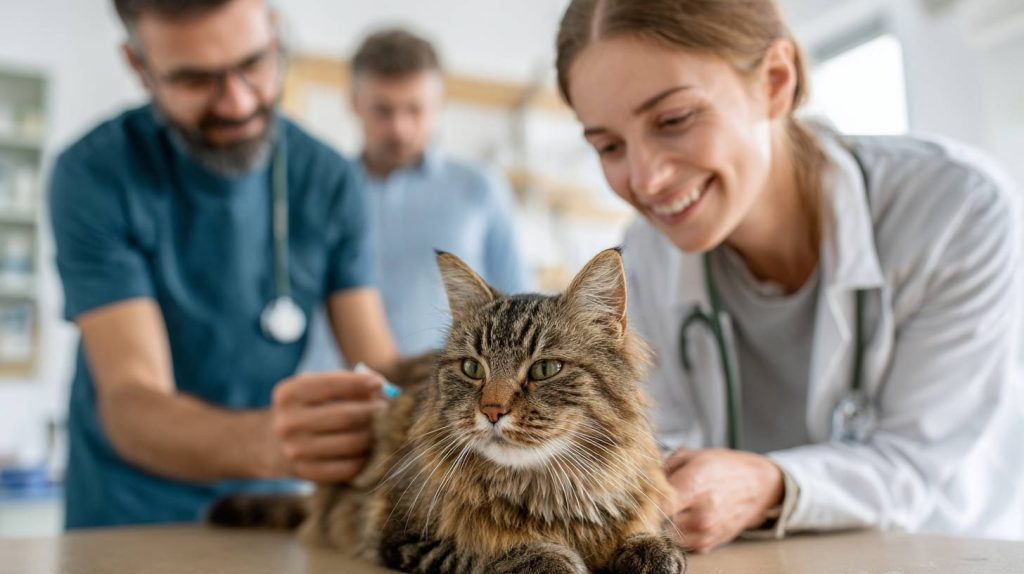
Moreover, maintain a clean environment to prevent the spread of germs. Provide your feline companion with a stress-free and safe environment.
Also, it is important to use preventive treatments, such as tick, flea, and worm medications, to prevent skin and other infections.
Final Thoughts
Every feline owner should have a complete understanding of cat health issues to prevent any long-term complications. Take care of your cats with proper diet, clean water, and regular exercise. Go to the vet when you start noticing slight changes for quick diagnosis and treatment.
Want to learn more about taking care of pets? Visit Pet Guides for more in-depth blogs.
FAQs
How can I Tell My Cat is Sick but Hiding Symptoms?
Cats often mask their illness instinctively, so subtle behavior changes are usually the first clue. Signs like reduced jumping, sudden aggression, changes in sleeping spots, increased thirst, or avoiding interaction can indicate a hidden health issue.
How long is Vomiting and Diarrhea Normal in Cats?
Occasional vomiting and loose stools can happen, but if vomiting or diarrhea persists longer than 24 to 48 hours, along with other symptoms like lethargy and appetite loss, it can be a signal of a serious condition and needs vet attention immediately.
Can Indoor Cats Still Develop Serious Diseases?
Yes, indoor cats can still develop serious conditions like obesity, dental problems, kidney disease, diabetes, and heart problems. While indoor cats have less exposure to parasites and infections, a lack of exercise and unnoticed symptoms can increase the risk of chronic diseases.
When should I Treat Symptoms of my Cat as an Emergency?
You should seek immediate veterinary attention when you notice difficulty breathing, inability to urinate, severe lethargy, collapse, continuous vomiting, seizures, or sudden paralysis. These symptoms can signal a life-threatening situation and require prompt professional intervention.