
When it comes to taking care of your cat, the first thing you should consider is its diet. The food you give your pet is the single most important thing for its growth, health, and happiness.
In this complete cat nutrition guide, you will learn what to feed your cat at every stage of its life, which type of food is better, food sensitivity, how to manage an obese cat, and more.
30-Second Summary
- Cats are obligate carnivores, which means they need a high-protein, animal-based diet for their health.
- A balanced diet with proper portions is more important than choosing between wet or dry food alone.
- Monitoring weight, hydration, and eating behavior helps prevent common issues such as kidney stones and obesity.
Understanding Your Cat’s Nutritional Needs
What Is an Obligate Carnivore Diet?
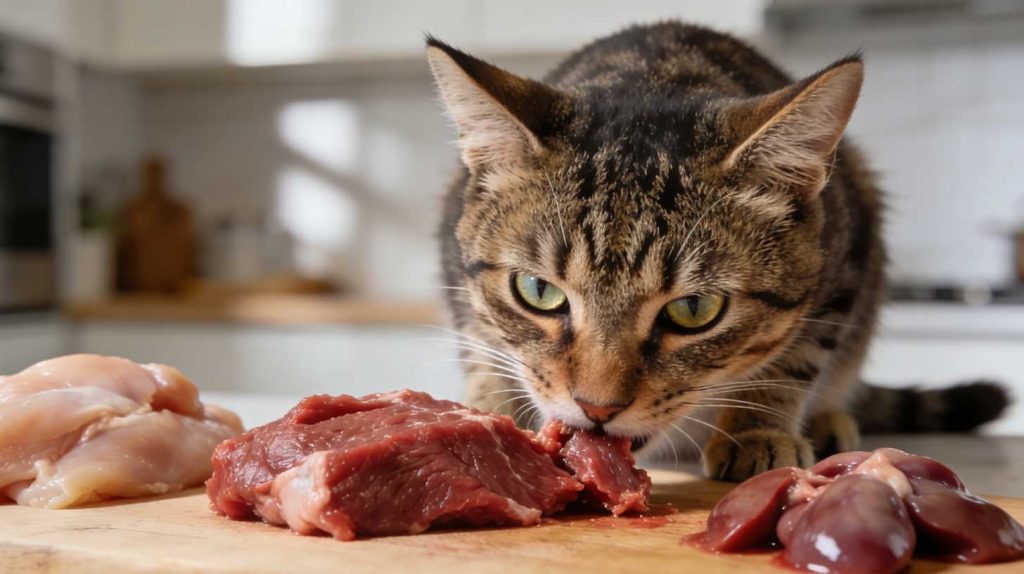
Cats are obligate carnivores, meaning that they are strict eaters of animal-based protein. An obligate carnivore diet naturally includes meat and organs of other animals. Your cat lacks metabolic (enzymatic) pathways and cannot digest plant-based nutrition as efficiently as an animal-based diet.
Essential Nutrients Cats Need
Your pet needs the following nutrients.
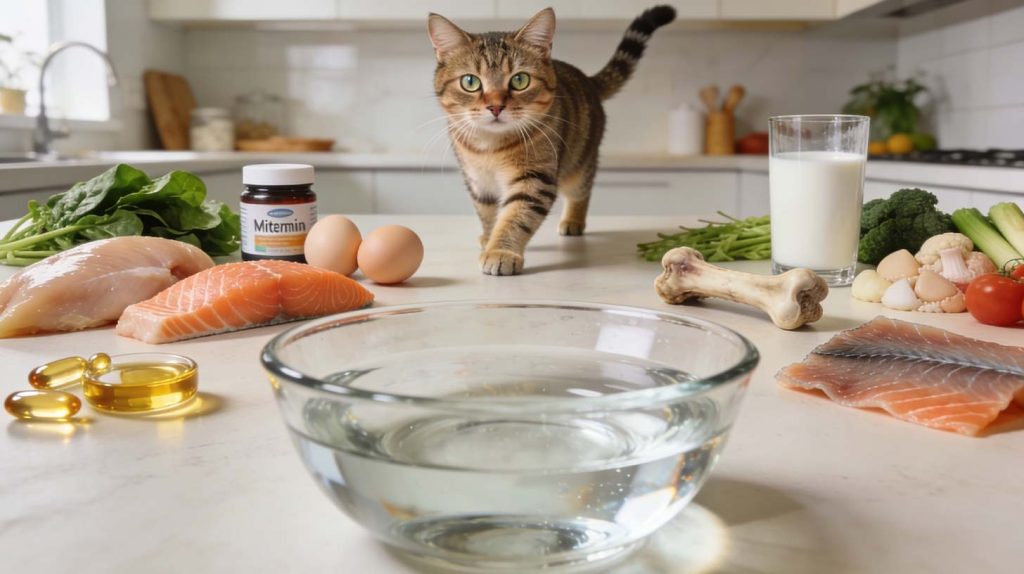
- Protein and Amino Acids: These are important for building body tissues and energy.
- Fats: These improve cats’ energy levels and provide essential fatty acids.
- Vitamins: Important vitamins include vitamin A, D, B1, and Niacin.
- Minerals: Essential minerals include Calcium and Phosphorus for bone health, while Potassium is for heart rhythm and nerve function.
- Water: It is important for hydration and proper kidney function.
Taurine Deficiency in Cats: Why It’s Dangerous
Taurine is an important nutrient for cats. It is an amino acid that a cat’s body cannot produce due to a lack of the enzymes needed. This is why cats need taurine through their diet daily.
Taurine is found in many animal-based proteins, such as liver, meat, and eggs. It is also easily obtained from live prey, such as birds, fish, and rodents.
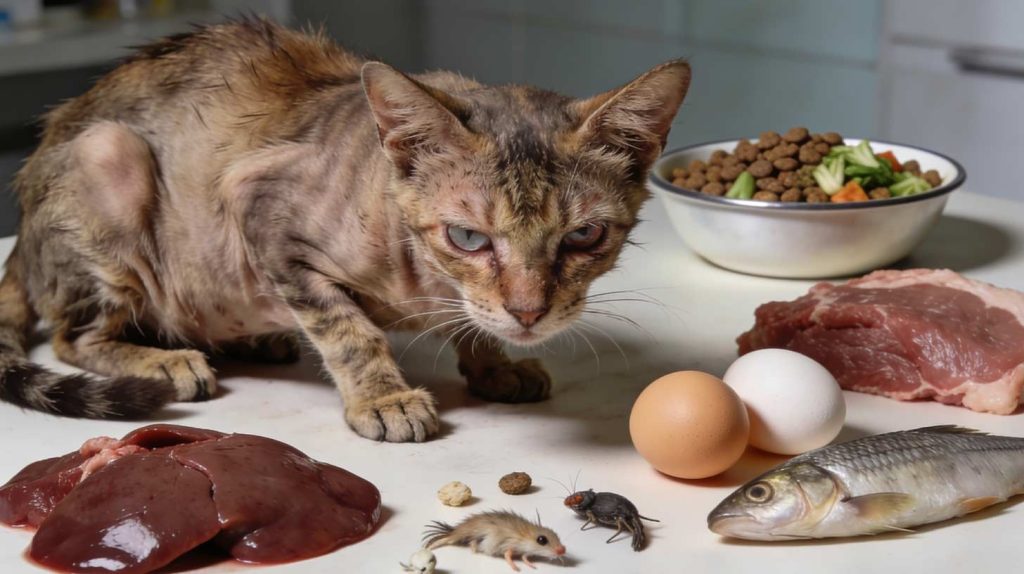
This nutrient plays an important role in the overall health of cats. It is necessary for their heart, brain, and reproductive health. Moreover, it also improves their vision and bile production for food digestion. When a cat does not get enough taurine, the symptoms start showing in their bodily functions.
Symptoms of taurine deficiency include
- Eye damage leading to blindness
- Impared reproduction
- Heart issues and dilated cardiomyopathy (DCM)
- Deafness
- Immune deficiency
- Poor appetite
- Exercise intolerance
- Muscle atrophy
Understanding the causes of taurine deficiency is important to save your cats from permanent health issues.
Causes include
- Home-cooked diets
- Vegetarian diets
- Dog food given to cats
- Unfortified commercial diets
Wet Food vs Dry Food for Cats: What’s Better for Your Cat?
A common question cat owners have is whether dry food is better or wet food. The good thing is that most commercial cat foods are a superb source of nutrition for your cats, no matter whether they are dry or wet.
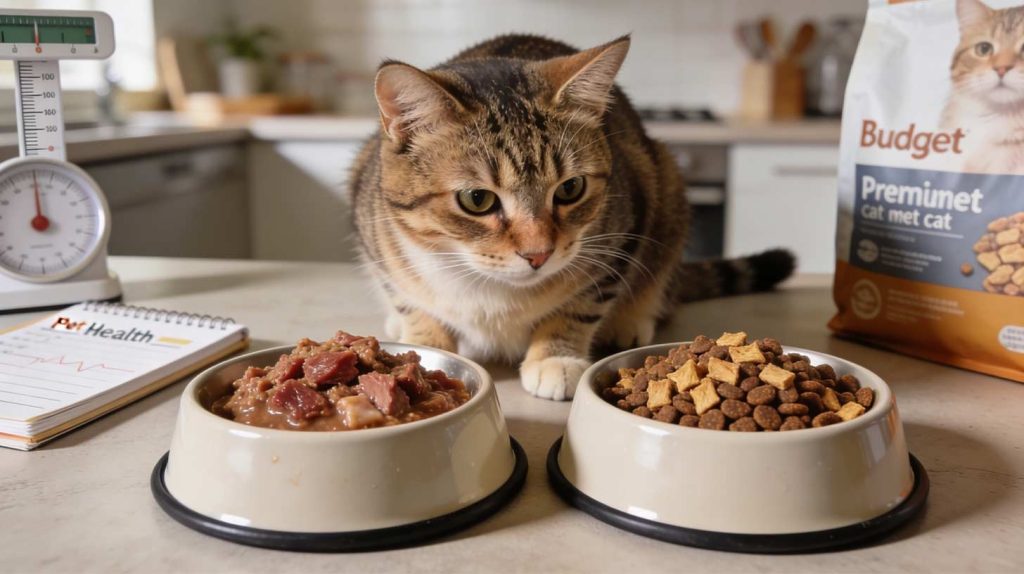
The choice completely depends on
- Your cat’s weight
- Your budget
- Your cat’s health and whether it is suffering from any health issues
Moisture Content in Cat Food
The major difference between wet and dry cat food is the moisture content. Dry food usually has 10% water content and 90% dry ingredients, such as vitamins, fats, and carbohydrates. Wet food has more water content, approximately 70%, compared to dry food.
This comparison is necessary to choose the right food type for your pet, particularly if it has a health condition that benefits from more water intake.
Pros and Cons of Wet Food
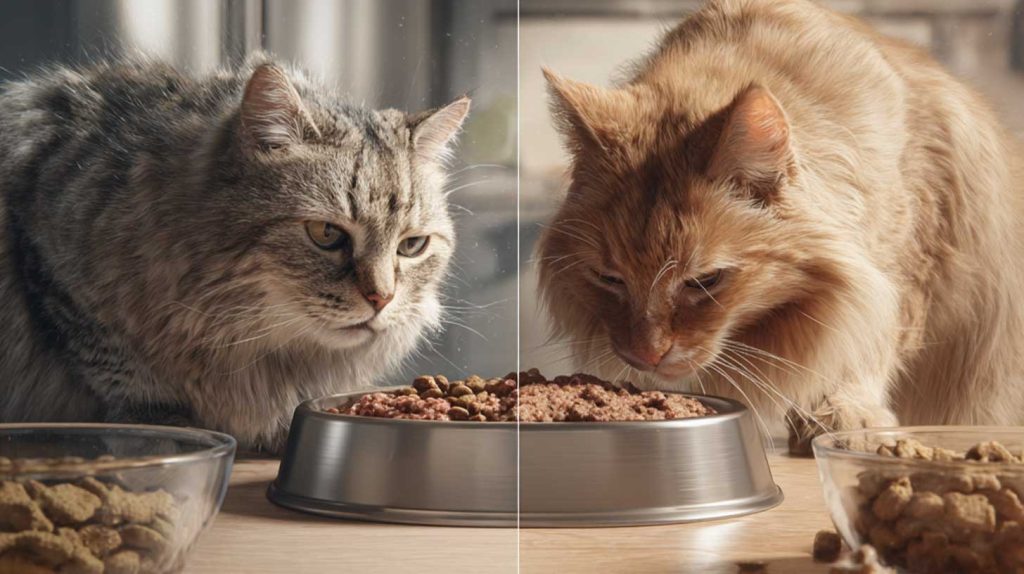
- Pros: The biggest benefit is higher moisture content. It is ideal for cats with kidney issues, diabetes, and lower urinary tract disease. It is also highly palatable and perfect for picky eaters.
- Cons: Wet food is more expensive and has a 24-hour shelf life. You need to refrigerate it. If your cat does not finish wet food, either store it in the refrigerator or discard it. Leaving wet food out for longer than a few hours can cause it to become contaminated and upset your cat’s stomach.
Pros and Cons of Dry Food
- Pros: Dry food is more affordable than wet food, and it can also be left out longer. You do not need to refrigerate it, which is ideal if you free-feed your cat. However, any portion not finished by your cat should be discarded.
- Cons: Cats that eat dry food can become obese because owners free-feed them and do not track how much their pet eats daily. It can also cause the opposite problem because owners might not realize whether their cat is eating properly or not. Also, cats with dental issues may have a hard time chewing dry food.
Best Approach
The best approach is to feed your cat a mix of dry and wet food. You can either mix them together or give wet food at one feeding time and dry food at the other.
You should consult a veterinarian to find the perfect balance. Your vet can help you guide how to portion both food types for your cat.
Understanding Labels: AAFCO Nutrient Profile Explained
AAFCO (full form: The Association of American Feed Control Officials) nutrient profiles set minimum standards for “complete and balanced” cat food. It is usually divided into two life stages: growth/reproduction (for kittens and pregnant cats) and adult maintenance.
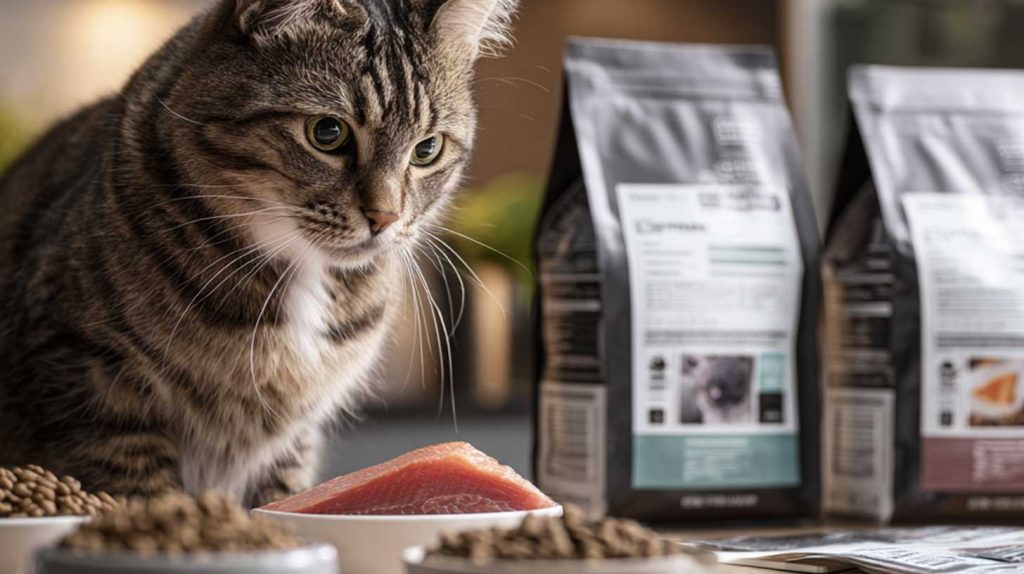
The labels should include a complete nutritional adequacy statement, guaranteed analysis, and ingredients listed by their weight.
Nutritional Adequacy Statement
This tells you for which life stage of your cat the food is intended.
- Formulated to meet: The product was designed to meet AAFCO standards through calculations.
- Animal feeding tests: The food was tested through AAFCO standards, and is more reliable.
Life Stages
- Adult Maintenance: For cats 1 year and older
- Growth/Reproduction: High-nutrient formula for kittens and pregnant or nursing cats.
- All Life Stages: It covers all stages, but might contain higher nutrients than needed for an average adult cat.
Guaranteed Analysis
This shows the maximum and minimum percentages of nutrients in the food, such as moisture, fat, protein, and fiber.
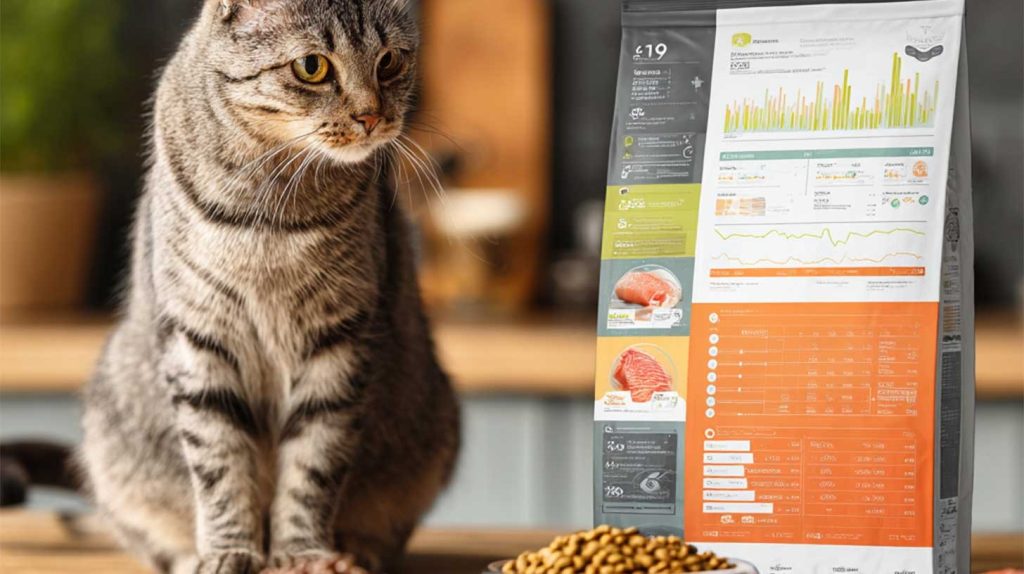
- Protein, Fat, Fiber, and Moisture: These are essential to check if they meet your cat’s requirements.
- An important thing to remember is that protein and fat are listed as “as-fed.” For an accurate comparison (especially between wet and dry food), convert these to a dry matter basis.
Ingredient List
Before cooking, the ingredients are listed by weight in descending order. The first 3 to 5 ingredients usually make up the majority of the food.
Complete and Balanced vs. Intermittent Feeding
Only “complete and balanced” food ensures that all of your cat’s nutritional needs are met. “Intermittent” foods are treats and supplements.
Common Pitfalls in Label Reading
- Moisture Content: Wet food has high moisture (around 70 to 80%). It can make the protein percentage look low in GA compared to dry food (approximately 10 to 12% moisture). Therefore, always compare on a dry matter basis.
- Meat By-products: While AAFCO defines ingredients, terms like “meat by-products” are broad. Therefore, look for specific named meats, such as chicken or chicken meal.
Life Stage Feeding: Feeding Kittens, Adults, and Seniors
Let’s break down feeding schedules and portion sizes of cat food at every life stage.
Kittens
Kittens have high energy, which means they need to eat more than adult cats. Moreover, proper nutrition is also important for healthy growth.
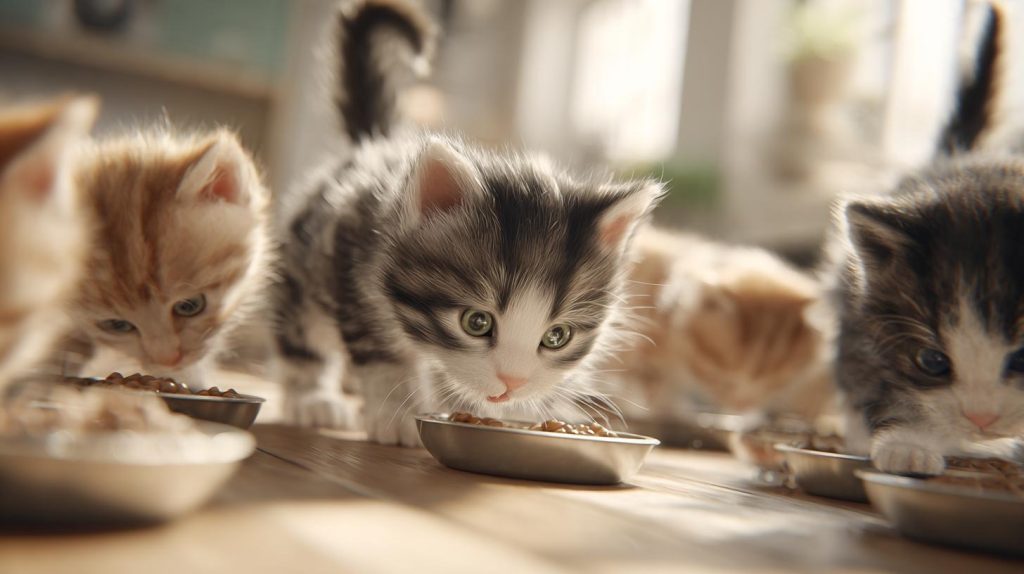
- Age: 0 to 6 months
- Feeding Frequency: Feed them 3 to 4 times a day.
- Portion Size: Follow the feeding instructions on the food pack and adjust after consulting with the veterinarian.
Adult Cats
Once your cat is 1 year old, it is time to adjust their feeding time. Routine and balance are the two most important things.
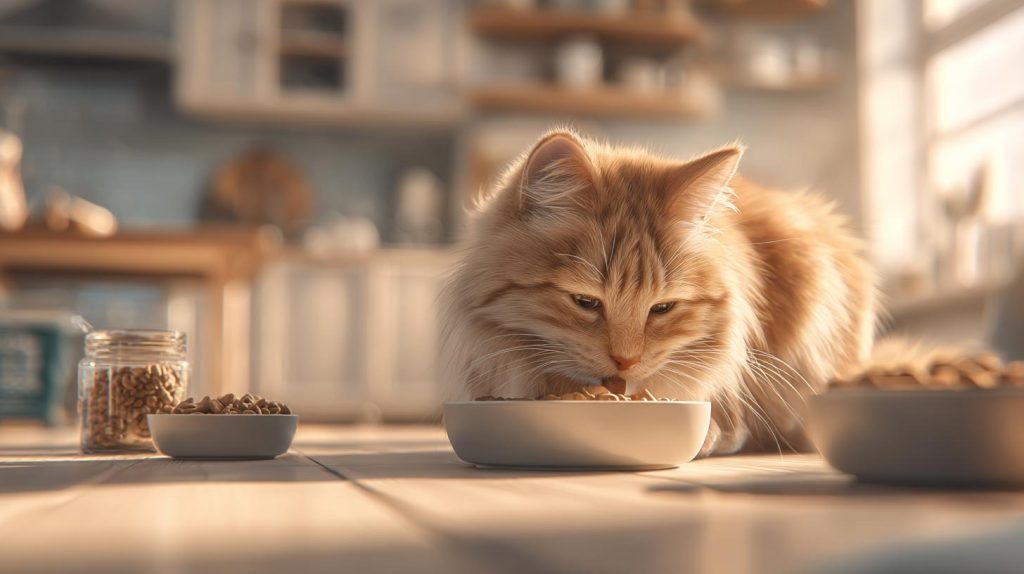
If your cat is overweight, give it smaller portions throughout the day rather than 2 large meal portions. This routine will help them curb their appetite while also helping them maintain their weight.
Age: 1 to 7 years old
Feeding Frequency: Usually 2 meals (morning and evening)
Portion Size: Use the instructions on the label as a baseline. However, adjust portions based on your cat’s weight, activity level, and health.
Senior Cats
Older cats need fewer calories and food that supports their joint health and digestion. Cats that are older than 10 years need more protein and calories because they often suffer from weight loss.
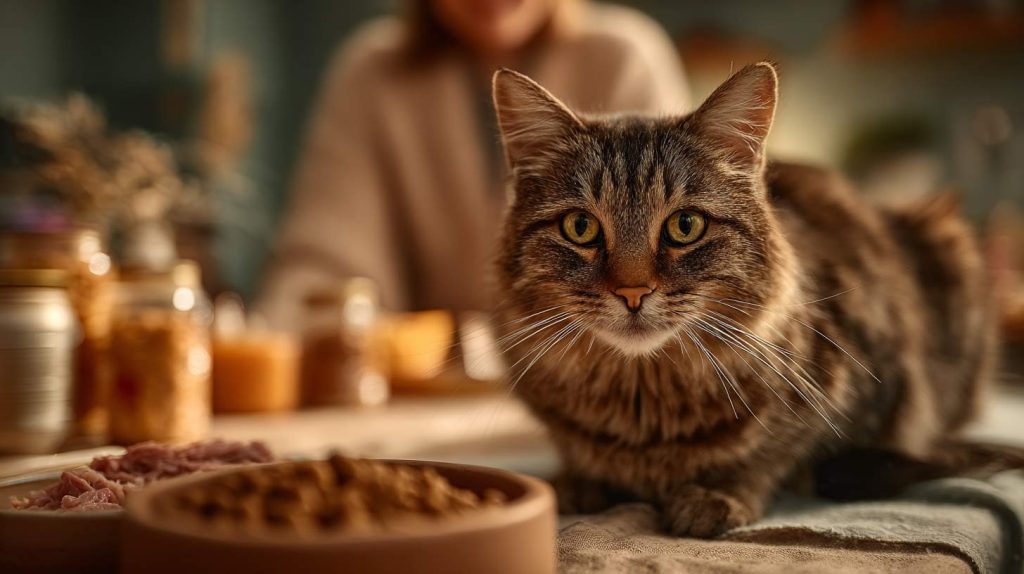
Very old cats also suffer from muscle wasting and need a high-protein diet. They also need regular checkups to address dietary changes early.
Age: 7 years and older
Feeding Frequency: 2 smaller meals every day or smaller, more frequent meals if needed.
Portion Size: Senior cats can gain and lose weight easily; therefore, adjust the portions according to your vet’s instructions.
Carbohydrate Content in Cat Food: How Much Is Too Much?
You might think that your cat does not need carbs. But it is not true. Carbohydrates, just for other mammals, are important for cats as well. However, cats need it in low quantities. The reason is that they lack a liver enzyme, glucokinase, which converts glucose into a form that cells use. Too much glucose in a cat’s diet can be dangerous because its cells can’t use it.
However, cats have other enzymes that digest carbs, so they can use them as a source of energy. But these enzymes are in lower levels, so limiting your cat’s carb intake is important.
Percentage of Carbs in a Cat’s Diet
Carbs are essential, but you do need to limit them. The recommended low-carb diet should contain 10 to 15% of carbohydrates: it is the bare minimum. Ideally, no more than 30% of the calories should come from carbohydrates.
AAFCO does not require food labels to include the carb percentage. It also does not have carb requirements for cat food. However, it has requirements for crude protein (26% for adult cats) and crude fat (9% for adult cats). It also requires a specific percentage of vitamins, minerals, and crude fiber. If these macronutrients appear on the cat’s food label, AAFCO considers it complete and balanced, regardless of how much carb content it has.
Why is Fiber Important
One of the reasons why a severely low-carb diet can be dangerous for your cat is the lack of fiber intake. Fiber usually comes from carbs and is very important for cats.
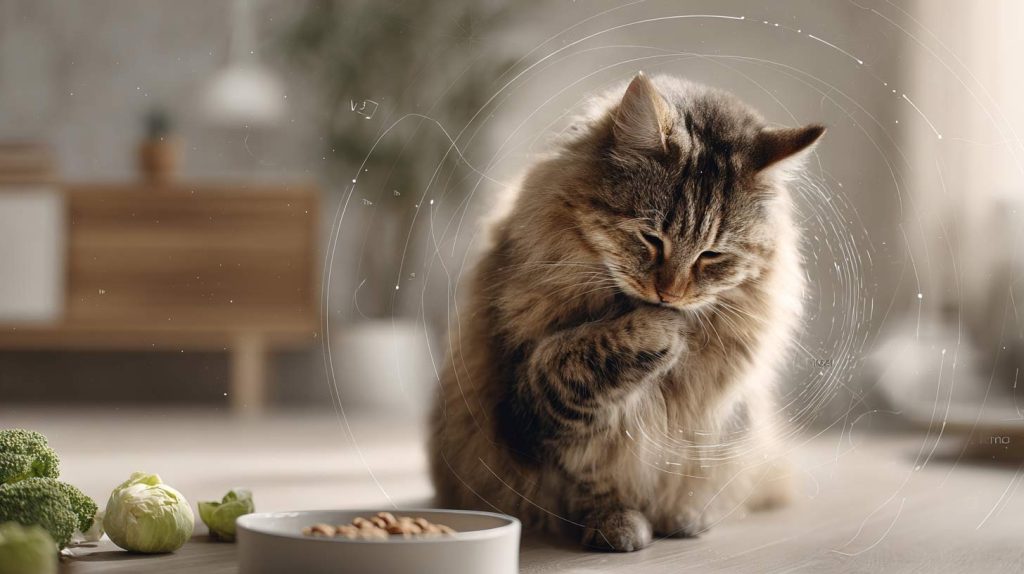
Cats groom themselves through licking, which causes hairballs. Fiber helps hairballs break down, so they do not need to have surgery to remove them. Fiber also helps stool move through the digestive system and protects your cat from constipation. Even indoor-only cats are prone to constipation because they do not get enough fiber through their diets.
The Risk of Diabetes
One of the major cat diseases is diabetes, and many cat owners do not give carbs to their cats for this reason. The fear makes sense that giving too many carbs will spike high glucose levels, leading to diabetes; however, according to research, this is not the case.
The real reason behind this disease is a lack of activity and obesity, particularly for indoor cats, rather than a carb-rich diet.
The Importance of a Balanced Diet
For a happy and healthy cat, a balanced diet is of utmost importance. The diet should have the highest percentage of protein. However, pure protein-based diets do not have those vitamins and minerals a cat needs. If you do not give them carbs, you are robbing them of calcium and phosphorus.
Therefore, the key is a balanced diet. It helps maintain blood glucose levels stable and promotes healthy weight management. It also ensures that your cat is getting enough carbohydrates for energy.
Grain-Free Cat Food: Is It Really Better?
Grain-free is a regulated term with a specific definition. Grains are the fruits that come from grass plants, such as barley, oats, wheat, rice, corn, and rye. Grain by-products include bran, flour, starch, hull, and gluten.
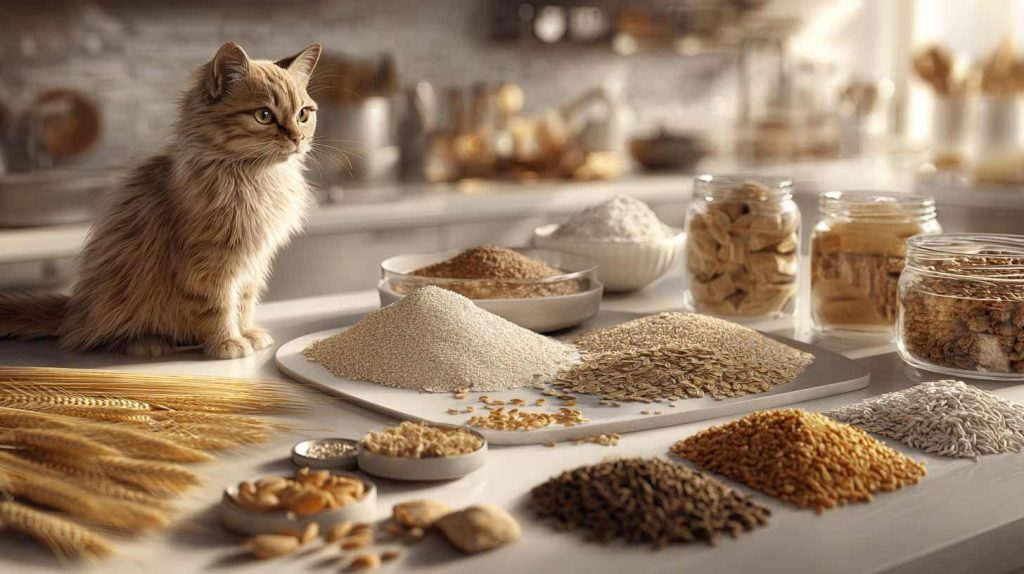
If the cat food you choose has none of these ingredients, it is considered grain-free.
Does My Cat Need Grain-Free Food?
No, your cat does not need a grain-free diet. The argument in favor of grain-free food was that cats in the wild do not eat grains.
However, this assumption that wild cats eat food that meets their nutritional needs is not entirely correct. Although wild cats and dogs do not ingest starches, dietary studies show that domestic cats and dogs can digest more than 95% starches.
Grains in cat food are not fillers; they are an easily digestible and affordable source of energy and vitamins. They do not make your cat ill or reduce its life.
What About Cats with Grain Allergies?
Cats that are diagnosed with grain allergies should obviously eat a grain-free diet. Food allergies are not so common in cats, particularly grain allergies.
If you suspect that your cat feels ill after eating a certain type of grain, it is important to get it checked.
Food Sensitivity in Cats: Signs and Solutions
Food sensitivity or allergy is when a feline’s immune system reacts to food it has previously been exposed to. Food allergies are rare in cats. In fact, it is estimated that only 1% of cats suffer from food allergies. There is also some evidence that Siamese cats and mixed Siamese breeds are more prone to food allergies.
Common Symptoms
- Licking
- Overgrooming
- Biting
- Scratching
- Skin lesions, such as small crusts, papules, redness, self-induced trauma, hair loss, plaques, and ulcerations
Some less common symptoms might include vomiting and diarrhea.
Causes
A cat can develop a food allergy at any age, even when it has been eating that specific food for a long time.
Some common food sources include
- Fish
- Beef
- Chicken
Some less common food sources that cause allergy in cats include
- Egg
- Lamb
- Rabbit
- Barley
- Dairy
Solution
The right solution is to take your cat to a vet immediately as soon as you notice symptoms. Provide the vet with a complete history of your cat and follow their instructions.
Moreover, stop giving your cat any food it’s sensitive to altogether, and strictly monitor the ingredients in treats and medications.
Managing Feline Obesity Through Diet
Obese cats usually have a shorter lifespan than slim, fit cats. Even as little as two pounds above the ideal weight can put your cat at risk of developing some serious health issues. Some problems associated with weight increase include
- Type 2 diabetes
- Osteoarthritis
- Heart diseases
- High blood pressure
- Cancer
- Joint injuries
Obese cats also suffer from muscle loss due to inactivity, which makes it difficult for them to move around. As a result, they can also start house soiling because they do not have the energy to go to the litter box. They may also have an untidy hair coat because their weight prevents them from grooming themselves properly.
How to Manage My Cat’s Weight?
You might think that weight loss is easy: fewer calories in and more calories out. However, it is not that simple. You should never put your obese cat on a diet without veterinary supervision, because just like rapid weight gain, rapid weight loss is also dangerous.
A vet examines your cat properly and might also recommend some tests to ensure there are no underlying diseases that cause weight gain.
Why Veterinary Weight-loss Foods are Special?
There are many veterinary weight-loss foods, including dry, wet, and other flavors. These are formulated with a certain calorie restriction. Although they differ slightly, the common key features are
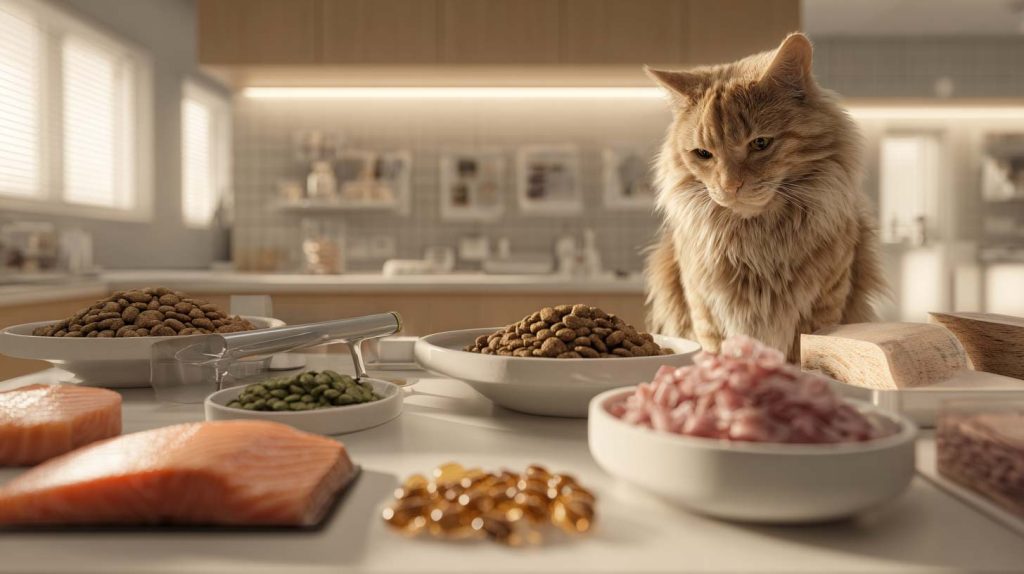
- Lower energy density
- High protein
- High fiber
- Low fat
- High vitamin and mineral concentrations
Treating Your Cats While They Are on a Weight Loss Diet
Your cat being on a diet does not mean that it should not be fed treats. The difference is what and how you give them treats.
Treats should be given according to your vet’s instructions. A typical rule is that 10% of calories come from treats and 90% come from food.
How Long Does My Cat Need to Be on a Diet?
Every cat sheds weight differently, which could either shorten or lengthen their diet period. Weight loss is the goal, but rapid weight loss is not healthy. Ideally, cats should lose around 1% to 2% of their initial body weight every week. For extremely obese cats, 0.5% might be better.
The following are some factors that decide how long your cat will take to reach their target body weight.
- How quickly your cat accepts the new diet plan
- The rate of weight loss
- The amount of weight your cat has to lose
Kidney Resilience Diet: Supporting Long-Term Health
A kidney-resilient diet is important for managing CKD (Chronic Kidney Disease) and supporting long-term health. The fundamentals of a kidney-supportive diet include
- Less phosphorus
- High-quality, moderate protein
- High moisture content
- Increased omega-3 fatty acids
- Enhanced potassium and B vitamins
Homemade vs Commercial Cat Food
| Aspect | Homemade Cat Food | Commercial Cat Food |
| Nutritional Balance | Hard to balance; risk of deficiencies (e.g., taurine) without expert guidance | Formulated to meet standards like AAFCO, nutritionally complete |
| Ingredient Control | Full control over ingredients and quality | Limited control; depends on brand transparency |
| Convenience | Time-consuming to prepare regularly | Ready-to-serve and easy to store |
| Cost | Can be expensive (supplements, fresh meat) | Wide range from budget to premium options |
| Safety | Risk of contamination or improper formulation | Regulated and tested for safety |
| Customization | Highly customizable for allergies or preferences | Some specialized formulas available |
| Shelf Life | Short; requires refrigeration/freezing | Long shelf life (especially dry food) |
| Veterinary Guidance | Strongly recommended to avoid imbalances | Not always required for standard feeding |
Choosing Veterinary Nutritionist Formulated Food
Choosing a veterinary nutritionist-formulated diet means you give your feline scientifically balanced nutrition that meets certain life-stage requirements.
- Check the AAFCO Statement: Ensure that the food label has an AAFCO Nutritional Adequacy Statement indicating “complete and balanced” nutrition for your pet’s specific life stage.
- Prioritize Expert Formulation: Always opt for brands formulated by a PhD in animal nutrition or a board-certified veterinary nutritionist.
- Look for Scientific Trials: Select brands that have conducted AAFCO feeding trials rather than relying solely on computer-formulated analyses.
- Assess Manufacturer Standards: Research the manufacturer to ensure they have high-quality-control standards, on-site expertise, and peer-reviewed research.
Feeding Tips and Best Practices
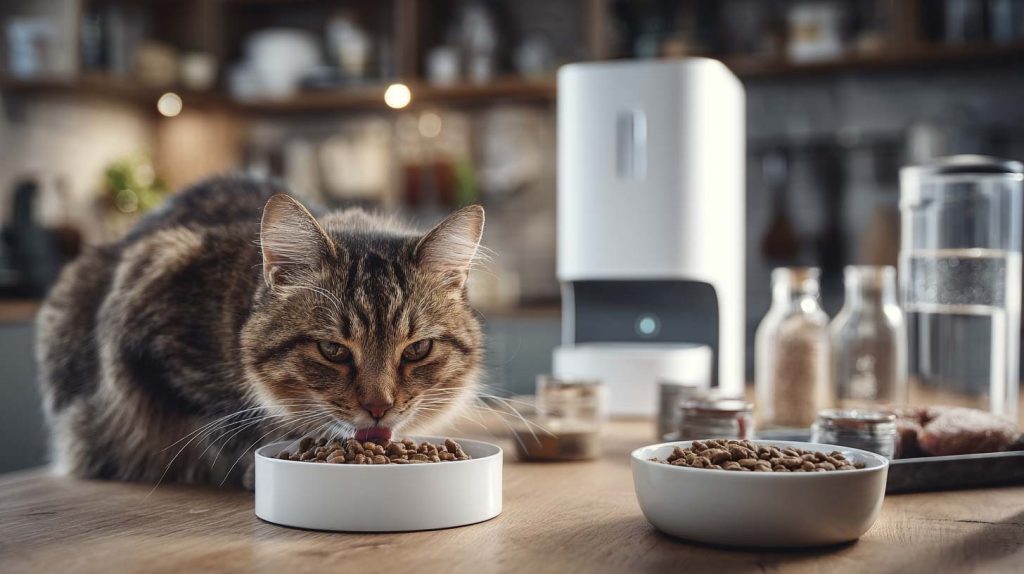
- Always check the feeding chart on your cat’s food packaging and adjust according to your cat’s weight, age, and activity level.
- Feed your cat at the same time every day because routine helps in better digestion and prevents overeating.
- Always provide clean and fresh water. Consider water fountains to encourage drinking.
- When changing your cat’s diet, do it over 7 to 10 days by slowly mixing the new food with the old to prevent upset stomach.
- Avoid feeding foods such as garlic, onions, caffeine, alcohol, and chocolate, as they are extremely toxic to cats.
- Keep dry food in airtight containers, and refrigerate opened wet food to maintain freshness and prevent contamination.
- Overeating or sudden loss of appetite can signal health issues; therefore, observe changes in eating behavior.
Wrapping Up
Cat nutrition is an important topic for feline owners to understand their pet’s dietary needs at every stage of their life. Whether you are feeding your cat wet or dry food, do so in proper portions. Choose a cat food that has a statement indicating it is complete and balanced for your cat’s specific life stage (such as Adult Maintenance or Growth) according to AAFCO standards.
Learn about how to care for your cat by visiting Pet Guides for more blogs.
FAQs
How Much Should You Feed Your Cat?
The amount of food depends on your pet’s weight, age, and activity level. Most adult cats need about 20 to 30 calories per pound of their body weight every day. However, it is best to follow the feeding guide on the food label and adjust accordingly.
How Often Should You Feed Your Cat?
Adult cats usually need food twice a day (in the morning and evening). Kittens need 3 to 4 meals daily. Senior cats usually do well with 2 smaller meals or more frequent portions if needed.
How Many Treats Can You Give to Your Cat?
Treats should only make up around 10% of your cat’s daily calorie intake. For an average cat, it roughly makes about 5 to 10 treats every day. The rest of the 90% calories should come from a balanced diet to avoid weight gain and nutrient imbalance.
Can You Give Milk to Your Cat?
No, most cats are lactose intolerant and cannot digest milk properly. They might enjoy the taste, but cats lack the enzyme to digest milk sugar, leading to vomiting, diarrhea, obesity, and stomach cramps. Water is the best and only source of hydration for cats.