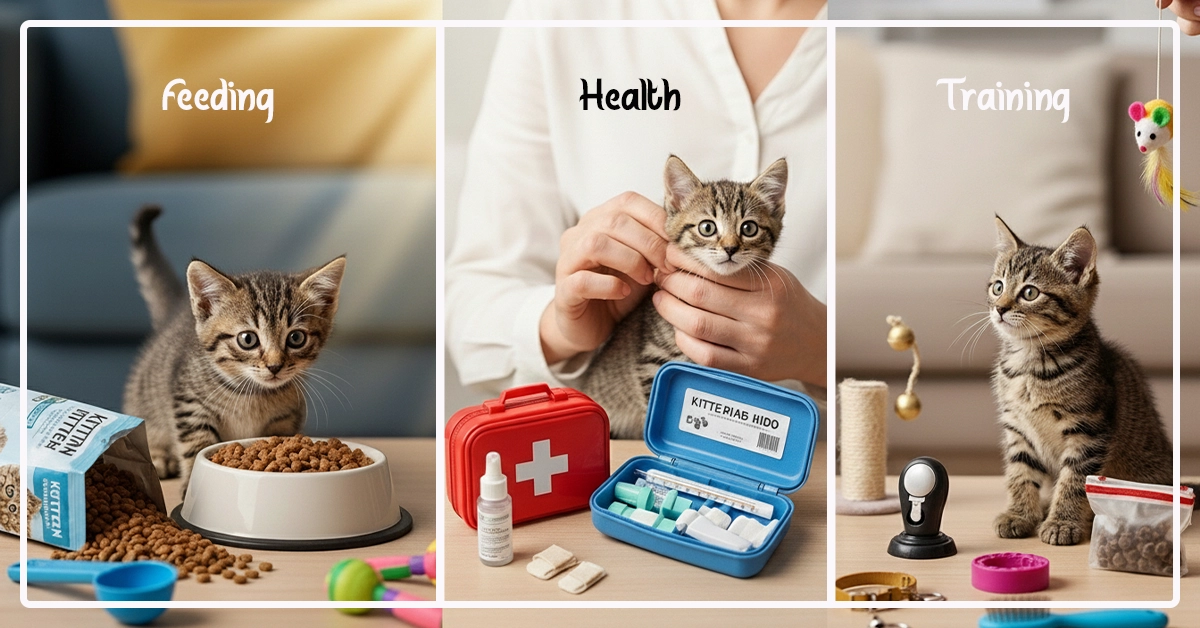

Bringing a kitten is an adorable addition to your family. However, it is a huge responsibility as well. A kitten has different needs at every stage of their growth, and you are in charge of making sure that they grow healthy.
In this comprehensive kitten care guide, we will cover every aspect, including preparing your home beforehand, feeding the kitten, caring for its health, and litter training.
TL;DR
- Early care, including proper diet, vet visits, and training, shapes a kitten’s long-term health and behavior.
- A consistent routine helps kittens feel safe. Consequently, they learn and adapt to their new environment faster.
- Balanced nutrition and scheduled feeding are important for healthy growth and energy.
- Socialization, playtime, and gentle training prevent behavioral issues later in life.
Preparing Your House Before You Bring the Kitten
Before you bring your new furry friend home, make sure to
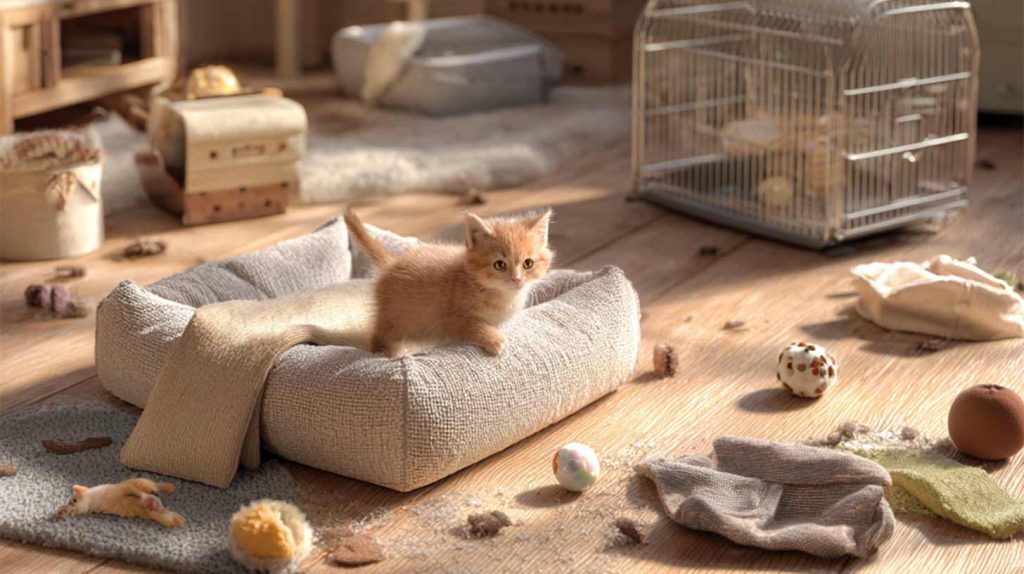
- Provide plenty of space for your kitten to play, hide, and rest.
- Buy important cat essentials, such as toys, a litter box, and scratching and climbing posts.
- Place the litter in a quiet and accessible place.
- Take the blanket from the kitten’s first home to let it feel comfortable in the new place.
- Kitten-proof your entire house to avoid hazards.
- Find a local vet for regular checkups and vaccines.
Kitten Development Stages
As a cat owner, you should know your kitten’s developmental stages and their needs at each stage.
0-4 Weeks
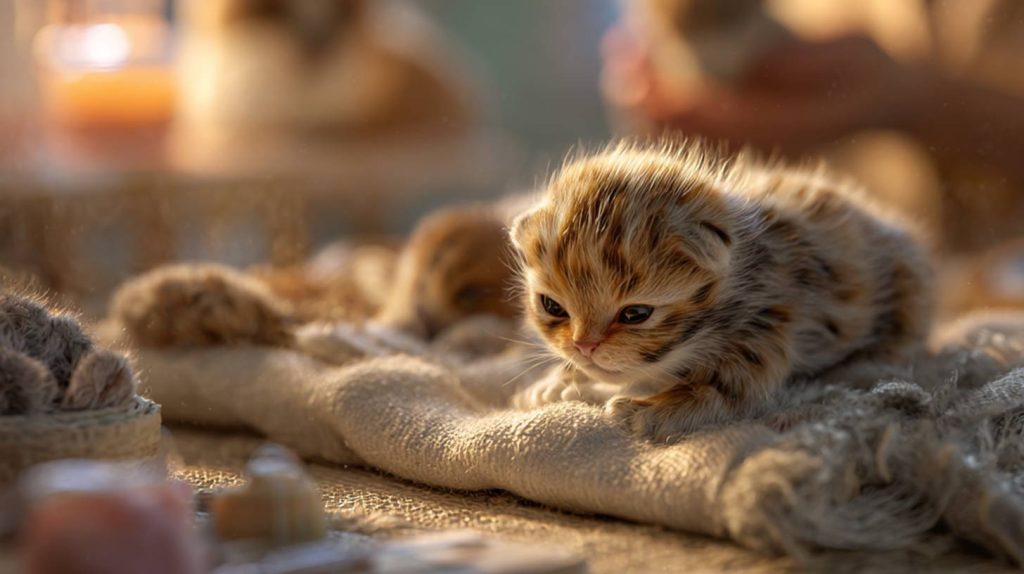
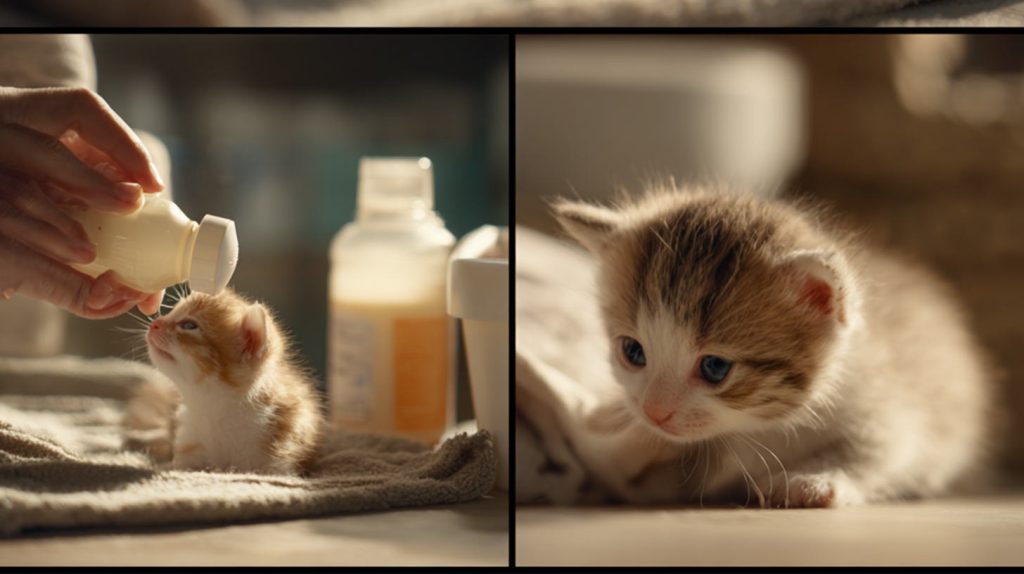
At this stage, a kitten is considered a newborn. It is still trying to walk, meow, and regulate its body temperature. If it has a mother, she does most of the work, including the feeding. You just have to make sure that the mother is healthy and they both are comfortable.
However, if it does not have a mother, the first thing you need to do is to bring your kitten to the vet. Your veterinarian will determine the health of your kitten and give you complete instructions on how to take care of it.
5-11 Weeks
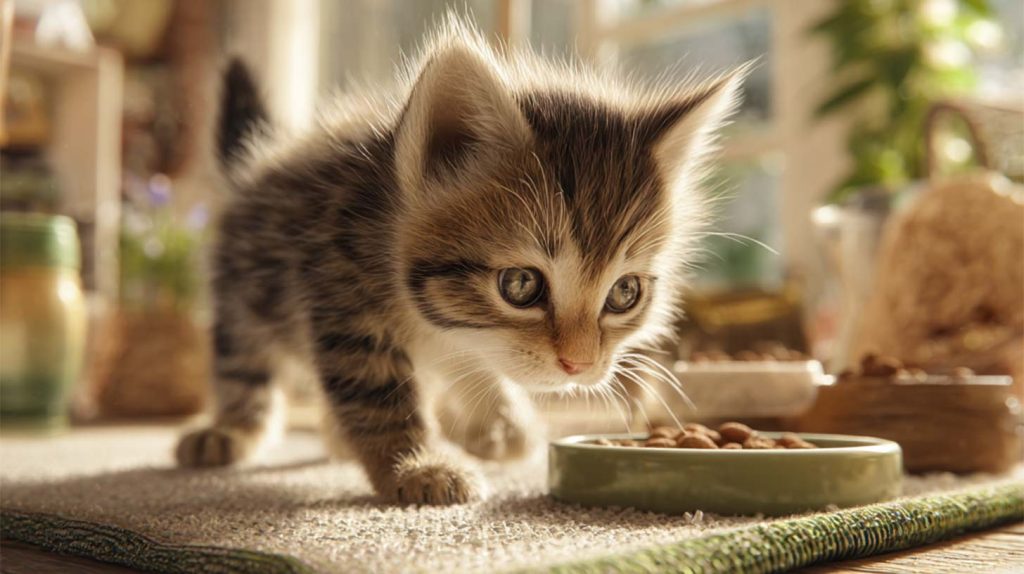
When the kitten is around 5 to 11 weeks old, they gradually stop being bottle-fed or fed by their mothers. At this stage, they need high-protein food, 3 to 4 times a week. Start by giving them formula in a food ball, along with a bit of softened hard food or canned soft food, to help them adapt to solids.
Also, their motor skills develop during this age, and they will become more adventurous. This is why you will need to supervise them closely on it to ensure they do not get themselves into trouble.
3-6 Months
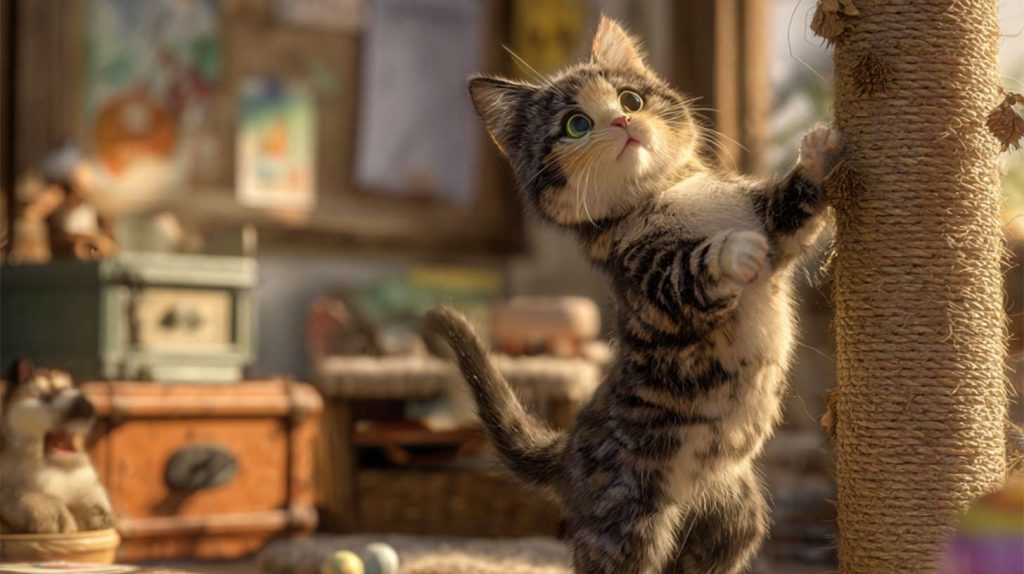
3 to 4 months is the optimal age to adopt a kitten, because they are energetic, little mischief-makers. At 4 months, your kitten enters adolescence, which can be a challenging time and may require some work on behavior.
4 months is also the right time to consider spaying or neutering them before they reach the 6- to 8-month-old mark.
Kitten Feeding Guide: What, When, and How Much
Here is everything you need to know about feeding your kitten.
When to Start Feeding Food to Kittens
The best time to introduce your kitten to solid food is when they are nursing from their mother or a bottle. Kittens are naturally curious, so they easily follow their mothers. If they do not have a mother, you take over feeding.

You can mix wet kitten food with milk replacer and make a soft porridge. Put it on your finger or in a shallow plate and let the kitten smell and lick it. Gradually reduce the milk intake and increase solids over the next 1 to 2 weeks.
Wet vs Dry Kitten Food
Both wet and dry food have benefits for kittens.

- Wet food can help increase your kitten’s water intake. It is also great for mixing other supplements in it. Moreover, it is easy to microwave to increase aroma, particularly when your kitten has nasal congestion or any changes in its appetite.
- Dry food supports your kitten’s dental health by removing plaque and tartar buildup. Moreover, it can be used as a treat for positive reinforcement and is a more affordable option than wet food.
How Often You Should Feed Your Kitten
When kittens are 4 months old or younger, they might need food three times a day. However, as they grow older, you can reduce the frequency to two times a day.
Pay close attention to your kitten’s appetite the entire day. See whether they want to eat their meal in one sitting, or if you may need to split it into small portions to feed them throughout the day.
How Much to Feed Your Kitten: Complete Chart
| Kitten Age | Approximate Weight | Daily Calorie Needs | Recommended Meal Frequency |
| 2 months | Around 2 lbs | About 150 kcal | 3 meals a day |
| 3 months | Around 3 lbs | About 200 kcal | 3 meals a day |
| 4 months | Around 4.5 lbs | About 300 kcal | 3 meals a day |
| 5 months | Around 5.5 lbs | About 340 kcal | 2 meals a day |
| 6 months | Around 6.5 lbs | About 400 kcal | 2 meals a day |
| 7 months | Around 7 lbs | About 420 kcal | 2 meals a day |
| 8 months | Around 7.5 lbs | About 440 kcal | 2 meals a day |
| 9 months | Around 8 lbs | About 460 kcal | 2 meals a day |
| 10 months | Around 9 lbs | About 500 kcal | 2 meals a day |
| 11 months | Around 10 lbs | About 540 kcal | 2 meals a day |
Kitten Veterinary Care
Apart from the vaccination schedule (which we have discussed below), there are other considerations when it comes to vet care.
Microchip
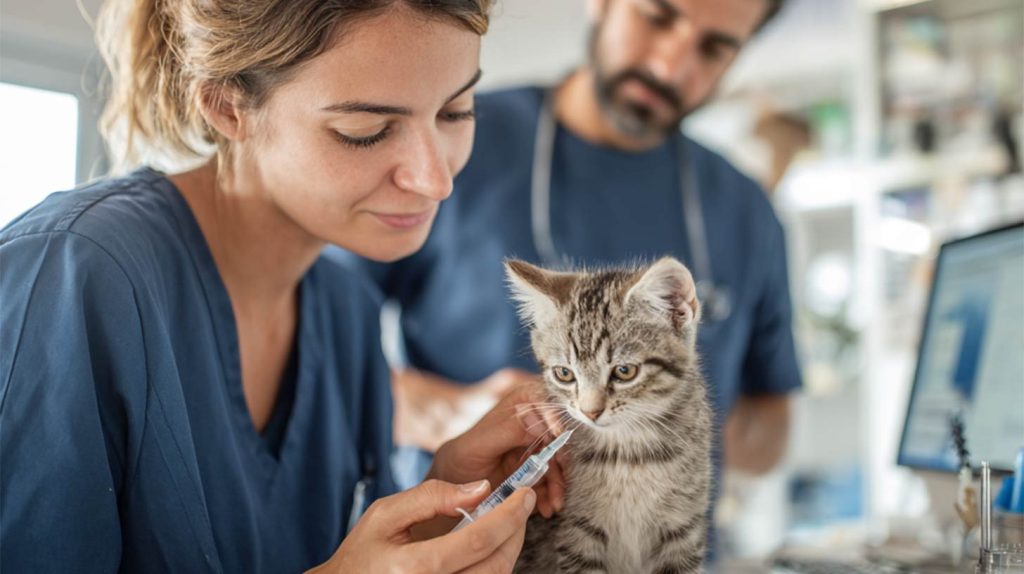
The best way to protect your cat is through microchipping. It is a safe way to permanently identify your cat. A microchip has a unique number linked to a database that has your contact details. Your kitten can be easily identified if it strays and is scanned. Make sure to get your kitten microchipped before letting it outside.
Parasites
Different parasites are harmful to the kittens. You can find many veterinary products to use that are safe and effective. However, it is important to get a vet’s advice and follow the product instructions properly.
Neutering
Neutering can be done on a kitten who is 4 months old or younger. Neutered cats tend to live healthier lives, as this procedure is known to prevent certain cancers and reduce fighting, straying, and spraying.
Kitten Vaccination Schedule
Your kitten should be vaccinated at 8 to 9 weeks of age. At 12 weeks, it should get its second vaccination to avoid any serious infectious diseases.
Vaccination is needed even when your kitten stays indoors, because it might contract diseases from other animals in the household. It can also pick up infections from outside through the owner’s hands, clothes, or shoes.
When to Take the Kitten to the Vet
When you have a kitten, you need to monitor them at every stage to notice even the slightest sign of a vet emergency. If you see any of the following in your kitten, immediately schedule an appointment with the vet.
Newborn Kittens
- Lethargy
- Not eating food, particularly when fed through a bottle
- Vomiting
- Diarrhea
- Trouble with balance and movement
4 Weeks Old and Beyond
- Not properly using the litter box
- Play biting or aggression
- Fear or other behavioral issues should be addressed when they are still young
Kitten Health Tips Every Owner Must Know
- Book the first vet appointment within the first week of bringing your kitten home.
- Provide high-quality food and clean water to boost its immune system.
- Monitor its weight and appetite changes carefully.
- Kitten-proof your space to prevent exposure to toxic plants, chemicals, and small objects they can swallow.
- Encourage daily playtime and gentle exercise for both physical and mental health.
Kitten Litter Box Training
You can litter train your kitten when it is as young as 4 weeks old, when they start weaning. For a kitten, the ideal size of a litter tray is around 9″ by 13″; however, you still need to buy a large tray when your cat becomes an adult and reaches its full size.
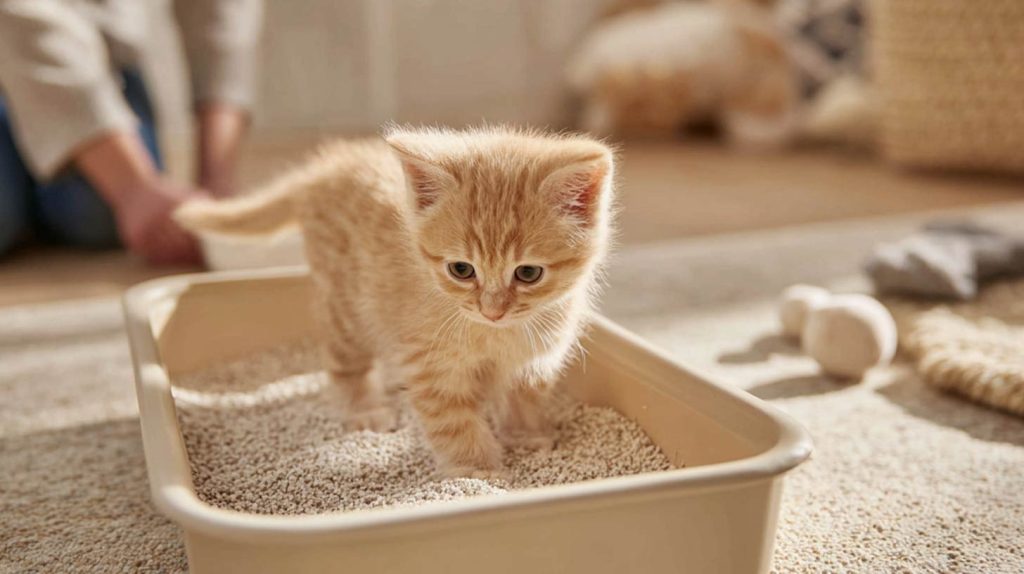
Here is how you can litter train your tiny friend. Just keep in mind to be patient, persistent, and kind. Positive reinforcement is necessary to develop good litter box habits in your pet.
- Show your kitten where the litter box is and let it get a good sniff around.
- Place your little buddy gently into the box. Kittens instinctively start digging the litter. If they don’t, demonstrate little digging motions in the clean litter.
- If your kitten is not sure how to use the box, do not worry. Just gently place them in the box after they wake up and with every meal. Soon, they will start using it whenever they need.
- When your kitten learns to use the litter box properly, give them a small treat for positive reinforcement.
- If the kitten makes a mistake, do not lose your control and yell at them. Just clean the mess and train them patiently.
Remember to regularly clean the litter box. Many cats do not use it if it is dirty or smells bad.
Kitten Socialization Tips
Your kitten may feel uncomfortable and even fearful in new surroundings, such as your home. It will see new faces and probably other pets too. You need to ensure that they socialize with others without feeling unsafe. To do this, follow these tips.
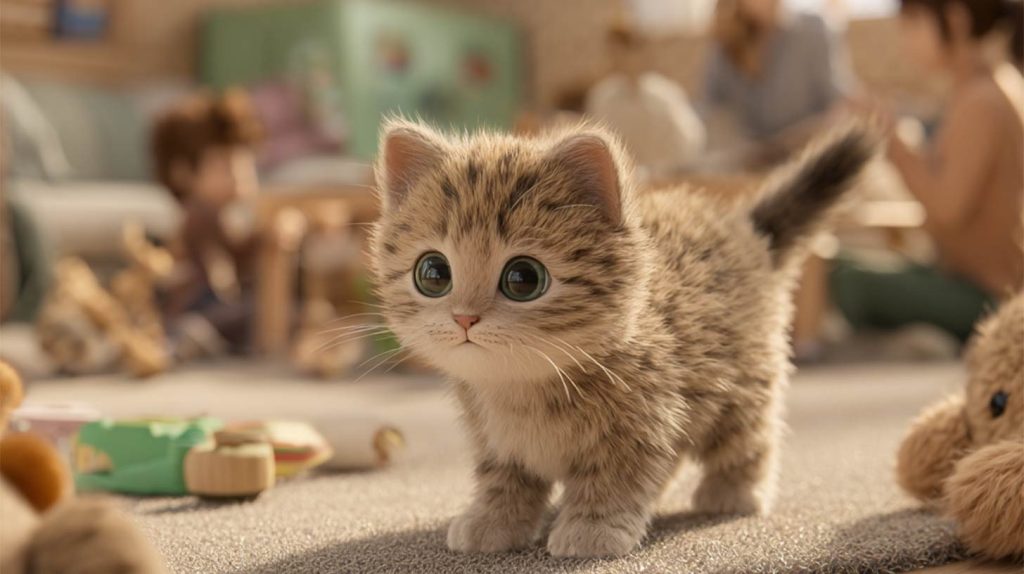
- Introducing your kitten to family members: Let your adorable little friend explore new people at its own pace. Talk to it in a calm voice, interact with slow movements, and ensure gentle handling to show that it is safe with you and your family.
- Ensuring safe interaction with children: If you have kids at home, teach them to handle the kitten gently, not grab it harshly or suddenly, and respect the kitten’s need to rest. Always stay close when children are around the kitten.
- Introducing other pets gradually: Start with scent swapping, meaning exchanging the pets’ toys and blankets with the kitten’s. Then, allow for short, supervised meetings. Increase interaction time slowly to avoid territorial behavior and stress.
- Building trust and reducing fear: Use positive reinforcement such as soft praise, treats, and gentle petting. This should be maintained as a consistent routine so the kitten starts to feel secure in its new environment.
- Understanding the importance of playtime: Daily playtime is essential for developing social skills, building confidence, and reducing behavioral problems. It is also a great way to develop a bond between the owner and the kitten.
Kitten Proofing Your Home
Your kitten will start exploring your house enthusiastically when you bring it home. Therefore, you need to kitten-proof it before your furry friend gets into trouble.
- Identify and block all the gaps in cupboards, furniture, and appliances where they can get trapped.
- Close the doors of washing machines, dryers, and even the toilet to prevent any accidents.
- Cover wires or simply put them away to prevent the kitten from chewing on them or becoming tangled.
Basic Kitten Training Essentials
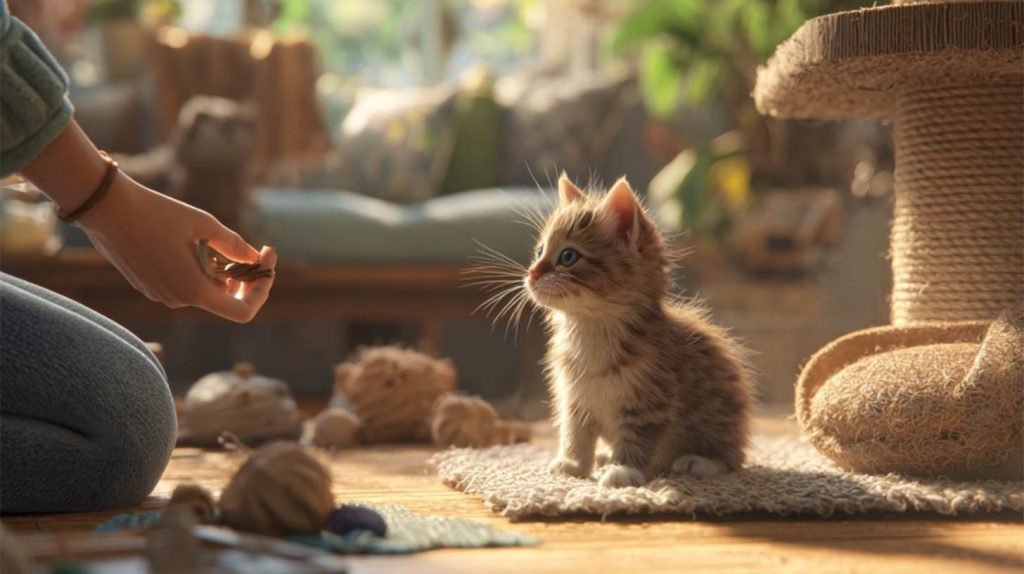
- Teaching name recognition: Start using your kitten’s name in soft and happy tones during playtime, feeding, and cuddles. Give them a little treat every time they respond to their name.
- Using positive reinforcement methods: Always reward good behavior with treats, gentle petting, and verbal praise. Never punish them, as it can break trust and increase fear. When you consistently reward good behavior, it helps the kitten to understand what actions are expected.
- Scratching post training: Place scratching posts near sleeping or play areas. Encourage use by gently guiding the kitten’s paws or using toys to attract attention. Give them a treat every time they use the post instead of furniture.
- Preventing biting and scratching behavior: Provide your kitten plenty of interactive toys, so they redirect their energy toward them. If your pet bites or scratches you too hard, stop playing immediately. Teaching gentle play early helps prevent aggressive habits later.
Wrapping Up
Proper kitten care allows your tiny furry friend to grow healthy and with good behavior habits. Whether it is feeding, veterinary care, or socialization, you need to stay patient, persistent, gentle, and attentive because early care shapes a happy adult cat.
To learn more about caring for your pets, feel free to visit Pet Guides.
FAQs
How Do I Know if My Kitten Is Eating Enough Each Day?
To know if your kitten is eating properly, look for steady weight gain, high energy levels, and a healthy appetite. If your kitten leaves food in its bowl consistently or looks weak, consult a vet.
Can I Leave My Kitten Alone at Home During the Day?
Leaving your kitten alone depends on its age. Young kittens that are under 4 months old should not be left alone for long periods. If needed, you should keep them in a safe, kitten-proofed room, with sufficient food, water, and a litter box.
What is the Safest Way to Introduce a Kitten to an Older Cat?
The best way is to start by scent swapping. Keep them in separate spaces initially, and allow only short, supervised interactions. These gradual interactions reduce aggression and stress.