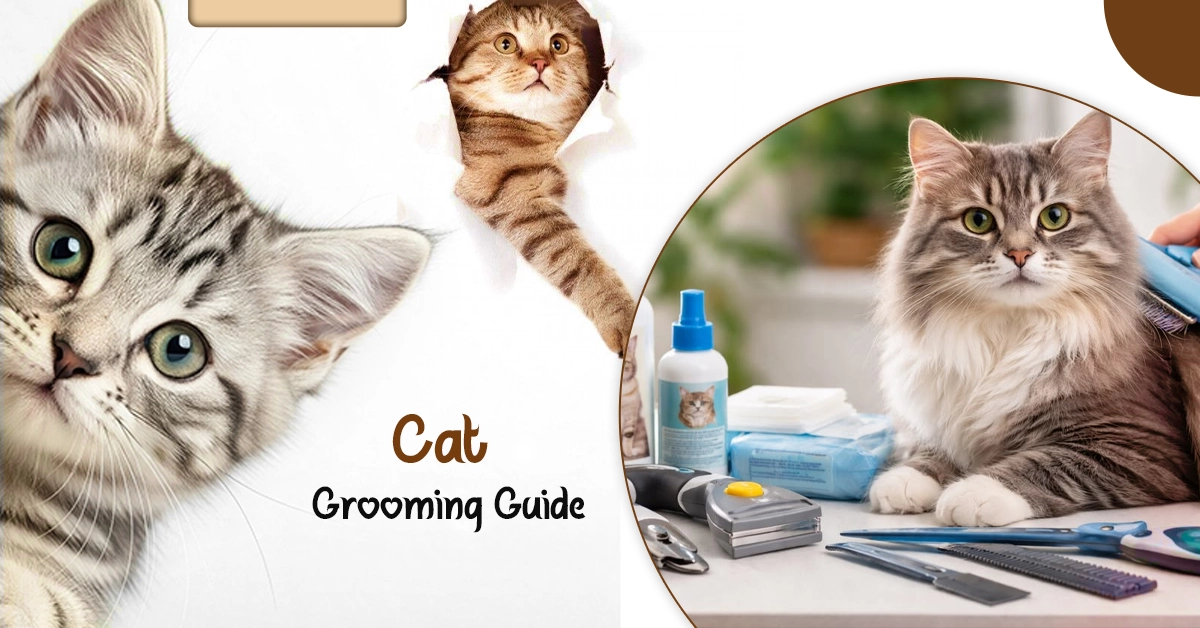

Cats are naturally clean animals that groom themselves. But they also require some level of grooming from their owners. Grooming your cat at home can be occasional or frequent, depending on your pet’s needs.
In this guide, we will walk you through everything related to cat grooming, including brushing, shedding, bathing, nail trimming, and ear and dental care. We will also discuss when professional grooming services are needed.
Key Takeaways
- Cat grooming is essential for its skin health. It reduces shedding and helps detect health issues early.
- Have a simple routine that you can stick to consistently, such as regular checks and weekly brushing.
- Different cats have different grooming needs. Long-haired cats require a different approach than short-haired felines.
- Professional grooming is helpful in certain situations, particularly for matting, health issues, and difficult behavior.
Why Cat Grooming Is Essential
Grooming is important for your cat for several reasons.
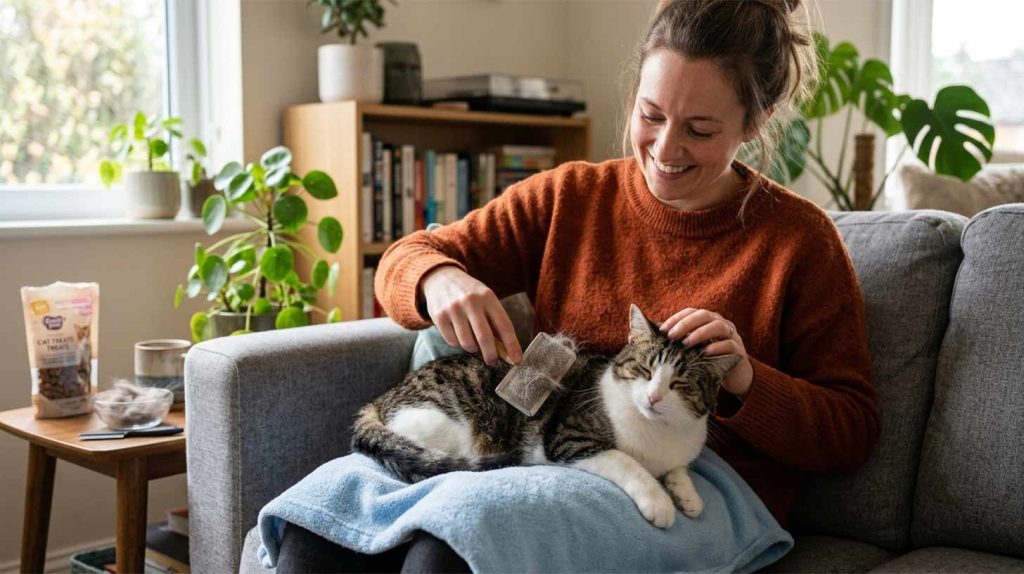
- It removes loose hair and tangles from your cat’s coat.
- It removes parasites, like ticks and fleas.
- It stimulates the skin to produce more natural oils, making your pet’s coat shine.
- It helps prevent hairballs, especially during molting.
- It gives you an opportunity to check your cat for ear mites, parasites, or any lumps.
- It is therapeutic for your cat and allows you to bond with it.
Now that we know the benefits of grooming, let’s see how you can groom your feline friend.
Cat Brushing Routine: The Foundation of Grooming
Brushing removes dirt, grease, dead skin cells, and loose hair from your cat’s coat and stimulates blood circulation. Brush once or twice a week to keep your pet’s fur healthy. Regular brushing will be very helpful when your cat gets old and cannot groom itself properly.
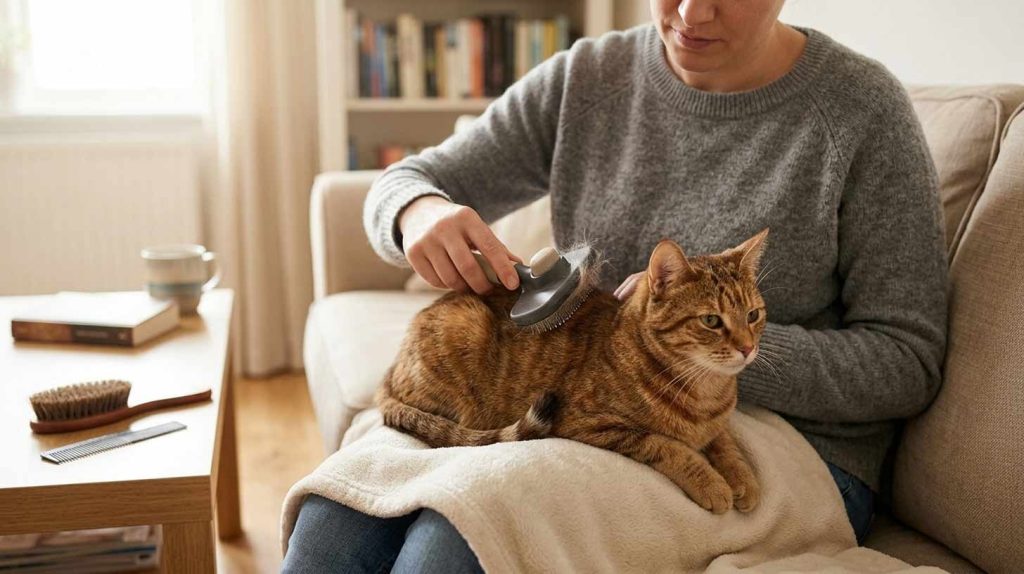
Before brushing, check your pet’s coat condition. It should have a healthy glow and spring back up when you touch it. There should be no bald patches or signs of fleas or ticks. Moreover, its skin should not have unusual bumps or wounds.
If you neglect brushing your feline’s coat, it can become an issue. Your pet will suffer from hariballs regularly and might develop painful tangles. Therefore, weekly brushing is the foundation of grooming your cat.
This long vs short hair cat guide explains their different grooming needs.
Cat Shedding Prevention
Shedding is a natural process. Indoor cats shed all year. Regularly grooming your cat and vacuuming its hair should solve the inconvenience of loose hair for both of you. However, if you notice bald patches or an abnormal amount of shedding, consider consulting a vet.
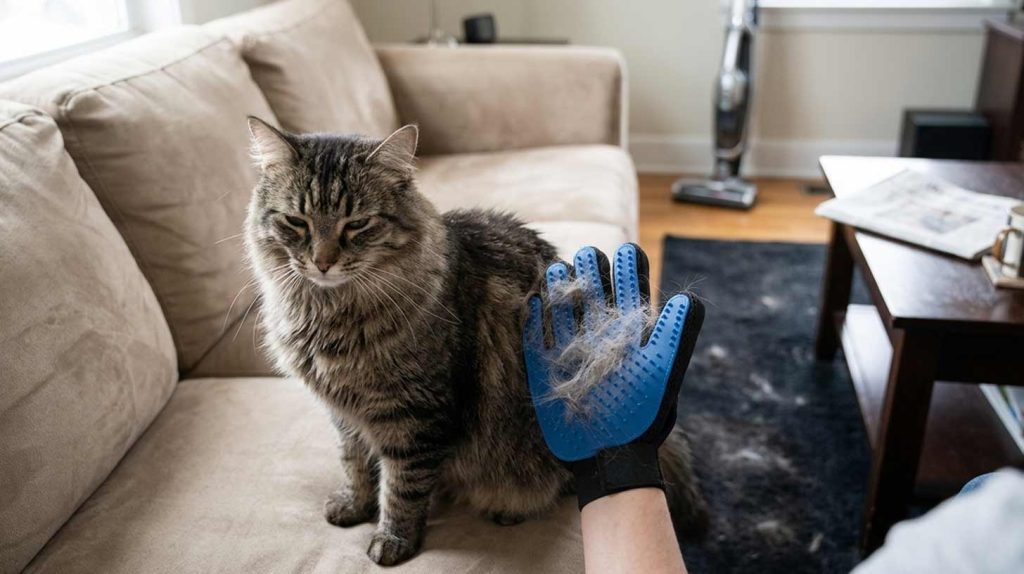
Different reasons lead your cat to lose more hair than normal. These can be medical, dietary, or stress-related issues that need professional veterinary attention. If you notice excessive shedding, your cat might be suffering from
- Bacterial infection
- Ringworms
- Fleas
- Allergies
- Stress
- Poor diet
- Sunburn
- Pregnancy or lactation
- Hormone-related illnesses
- Certain medications
Bathing Your Cat: Cat Shampoo and Bathing Tips
Your cat’s bathing depends on its fur type and lifestyle. Usually, hairless cats need weekly baths to get rid of oils, sweat, and dirt. You can also use baby wipes or a wet cloth to manage hygiene between bath days.
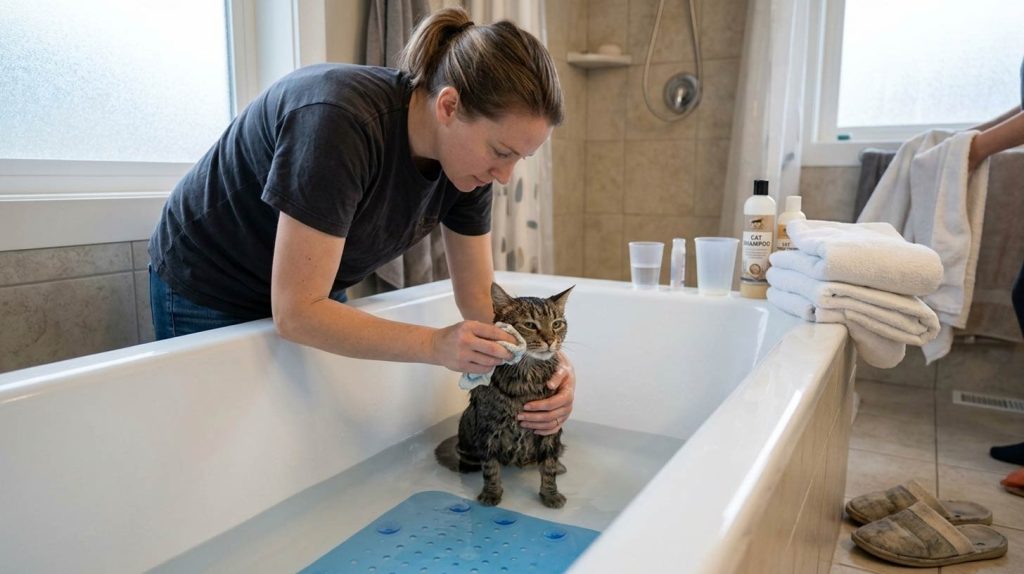
Most cats find bathing an unpleasant experience. However, you should not worry about it. Your cat can get comfortable with baths with a few simple strategies.
First, you need to buy the following.
- Cat-safe shampoo
- Cat-safe conditioner (if needed)
- Non-slip mat
- Rinsing cups
- A few towels
- A pair of old clothes for yourself
- A helper (if available)
For a successful cat bath, you need to prepare the area. The bathroom is great because you can shut the door to create a safe space and limit their chances of escaping.
Secondly, do not run water in front of your cat, as it can make your cat uncomfortable. Have the bathtub filled with water already. Keep the water shallow, meeting the bottom of your cat’s chest. Put the non-slip mat in the tub as well.
Next, prep your feline friend. Brush its fur to remove any tangles and loose hair. Ease your cat using lots of petting and a calm voice. Rinse and lather its fur using shampoo, avoiding the face. To remove dirt from the face, use a damp washcloth.
Make sure to rinse your cat thoroughly. Residual products can cause buildup. Lastly, dry your cat as much as possible before letting it go back to its routine.
Nail Trimming for Cats
Trimming your cat’s nails is important for its comfort as well as to save you and your furniture from scratches. However, it can feel intimidating to try at home.
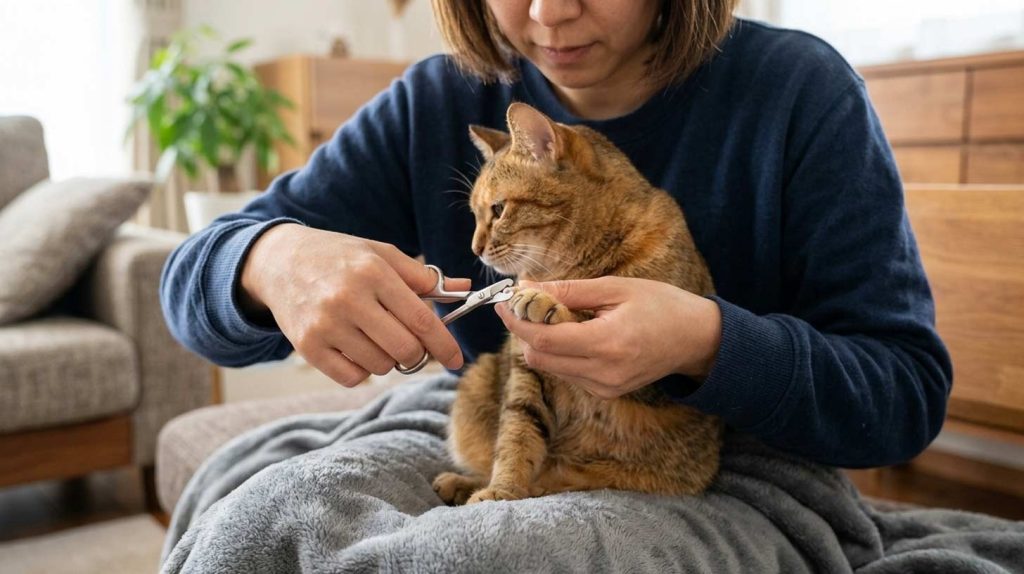
Before nail trimming, make sure to touch your pet’s paws during playtime and cuddles to make them comfortable. Try to trim its nails when it is tired after playing.
Get the trimmers and cut no more than a couple of nails. Always praise or briefly pet your cat after cutting each nail.
Make sure not to cut your cat’s nail’s quick. It has blood vessels and nerve endings. Always go in with the trimmer from the side and not the top to trim just the tip. Leave some space between the quick and the part you trim.
If you are not comfortable trimming your cat’s nails at home, or if it’s your first time, take your pet to a professional groomer or a vet.
Cat Ear Cleaning and Dental Care
Cat Ear Cleaning
Clean ears are essential for cats to avoid infections, mites, and blood blisters.
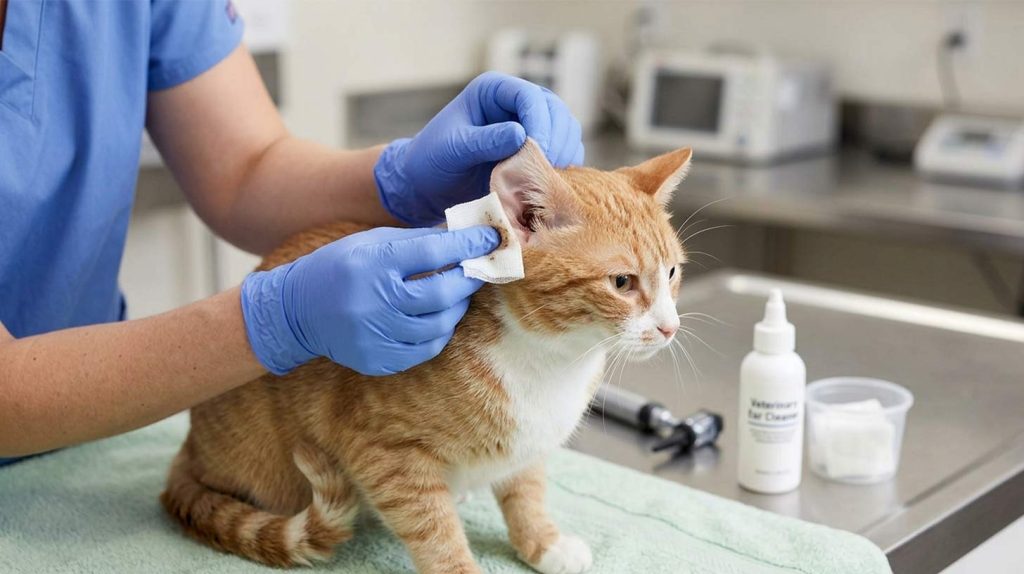
- Start by adding a small amount of ear cleaning liquid to a cotton ball or gauze. Ask the vet to recommend a good cleaning liquid.
- Fold your cat’s ear back gently and start wiping the earwax and dirt that is on the underside of its ear.
- Instead of rubbing the dirt and wax into the ear, lift it away. Moreover, do not try to clean your feline’s canal, because probing the inside of its ear can cause infection or trauma.
Dental Care for Cats
Your cat’s tongue, teeth, and gums should be clean and healthy. Neglecting your cat’s dental health can cause a lot of diseases, such as gingivitis, stomatitis, rodent ulcers, salivary cysts, and mouth ulcers.
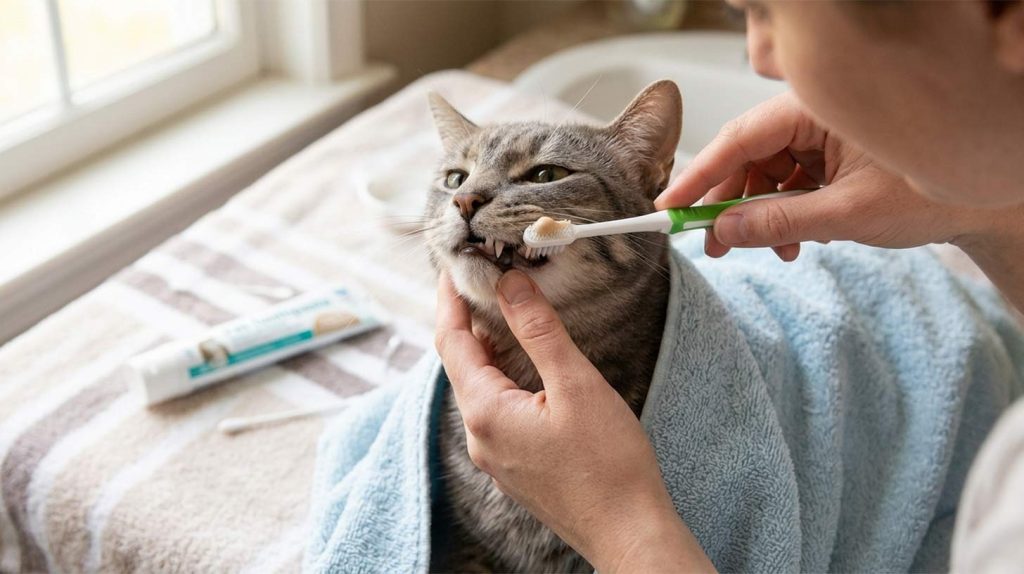
- The first thing you need to do is to make your cat comfortable with the idea of brushing. Gently massage its gums with your finger or use a cotton swab.
- After building tolerance, put a little amount of cat-safe toothpaste on its lips to get it used to its taste.
- Get a toothbrush designed specifically for cats. These brushes are smaller and softer than the ones designed for human use. You can also get toothbrushes that can be worn on your finger.
- Lastly, apply toothpaste to the brush and gently clean its teeth.
Professional Cat Grooming Services
While many grooming tasks can be done at home, professional services are convenient in a lot of situations. Expert pet groomers are trained to handle all types of cats, including those who are aggressive, anxious, or difficult to manage.
You should take your pet to a professional groomer if it has severe matting that cannot be removed by brushing. Trying to cut matted fur without experience can cause injuries. Particularly, long-haired breeds benefit from occasional professional grooming services.
These services also include bathing, drying, deshedding treatment, nail trimming, ear cleaning, and even sanitary trimming. Some clinics also have medically supervised grooming for cats who have skin problems or mobility issues.
If your feline pet gets stressed during grooming at home or if you are unsure about performing certain tasks safely, you should definitely consider taking your cat to a professional groomer.
Tips for Maintaining Feline Skin and Coat Health
Grooming your cat is just one aspect of keeping its skin and coat healthy. Here are some tips for a cat’s overall well-being.
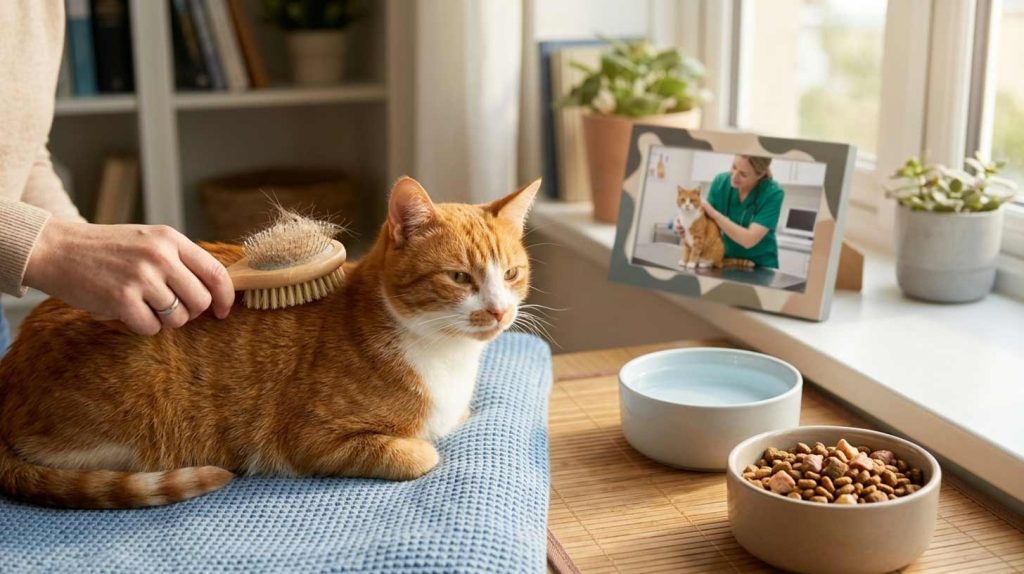
- Give your cat a balanced diet and clean water. Cat food rich with protein and omega fatty acids, as well as water, keeps skin hydrated and reduces excessive shedding.
- Make regular grooming a part of your and your cat’s routine. Even simple weekly brushing can help distribute natural oils across your pet’s fur and reduce dryness or flakiness.
- Pay attention to your pet’s environment as well. Poor hygiene, stress, and parasites can affect its skin’s health. Keep your feline’s bedding clean and check for any signs of fleas, ticks, or irritation.
- Make sure to schedule regular veterinary checkups. Many skin and coat issues, such as infections or allergies, cannot be treated at home. They require medical attention.
The Bottom Line
Cat grooming plays a pivotal role in your pet’s health and comfort. Cats do groom themselves, but they also rely on their owners for bathing, brushing, nail trimming, and ear and dental care.
A consistent grooming routine reduces shedding and hairballs and also helps detect any skin conditions early. If your cat is not comfortable with grooming at home, you can book an appointment for professional grooming services.
Interested in more information about cats? Visit Pet Guides for more blogs.
FAQs
How can I Groom my Cat at Home without Getting Scratched?
Always start grooming when your cat is calm or tired. Make sure to keep sessions short. Gently handle the cat with lots of petting and treats. Moreover, wearing long sleeves and using grooming gloves also reduces the risk of getting scratched.
Can you use Shampoos for Humans on your Cat?
No, these shampoos can disrupt your cat’s skin pH and cause irritation. Using a cat-specific shampoo is important to maintain your feline’s skin and coat health.
How can I Reduce Cat Hairballs?
Remove the loose fur by brushing before your cat swallows it. Also, provide your pet with a fiber-rich diet and proper hydration to help hair pass through the digestive system more easily.
What are the Early Signs of Dental Problems in Cats at Home?
The early signs of dental issues in your pet cat include bad breath, drooling, difficulty eating, and red or swollen gums. You need to address these signs immediately to prevent more serious conditions, such as infections or tooth loss.