
Reptiles such as snakes, lizards, and turtles have become popular pets because of their colors, unique appearances, and low-maintenance care.
However, reptiles are also prone to illness, and as a pet owner, you need to know the symptoms, causes, and care for common reptile diseases.
So, if you already own a reptile or are ready to get one, keep reading.
30-Second Summary
- Most reptile diseases are easily preventable with a proper diet, UVB lighting, and a clean enclosure.
- Early symptoms of reptile diseases are subtle, so changes in your pet’s behavior should never be ignored.
- Hygiene and regular monitoring play an important role in preventing infections and parasites.
- Veterinary care is crucial. Delaying professional help will only worsen the condition of your reptile.
Understanding Reptile Health Basics
Thriving reptile health depends on strict care. You need to maintain proper temperature gradients that suit your pet. Humidity levels and UVB lighting are also important. Avout 90% of reptile diseases are caused by improper nutrition and environmental support.

You should monitor for lethargy and loss of appetite, and provide a clean, appropriately sized, and secure enclosure. Sanitize the enclosure with reptile-specific cleaners to prevent bacterial infections.
Common Diseases in Reptiles
Here are some common health issues found in reptiles.
Metabolic Bone Disease in Reptiles (MBD)
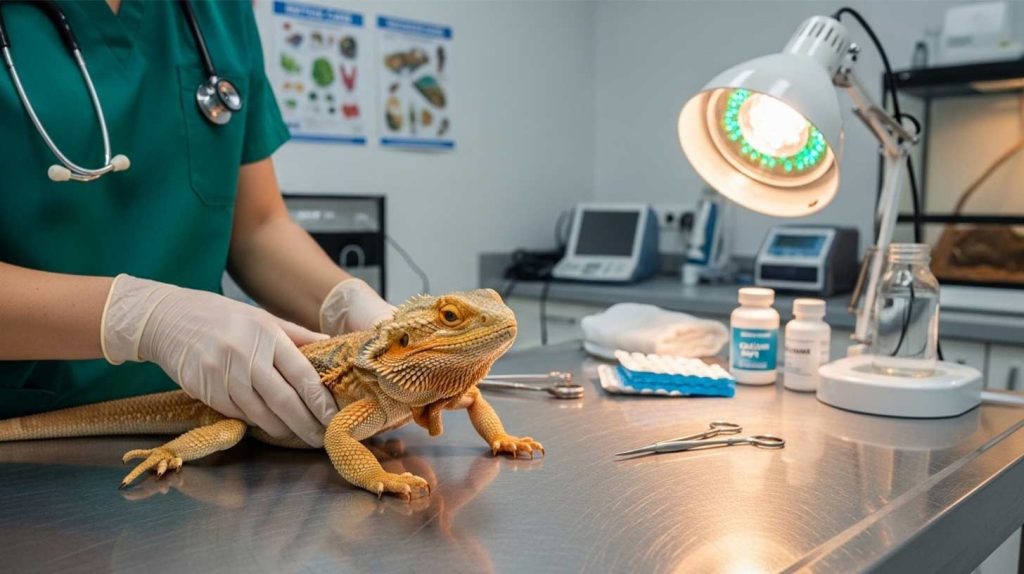
- Causes: Metabolic disease is caused by a lack of calcium, an imbalance of phosphorus and calcium, or a vitamin D3 deficiency.
- Symptoms: Reptiles with MBD usually have soft or malformed bones. They find it difficult to move around and, in severe cases, suffer fractures.
- Care: Feed your reptile a balanced, nutrient-rich diet and provide appropriate UV light exposure.
Respiratory Infection in Snakes and Other Reptiles
- Causes: Respiratory infections can be caused by a lot of factors, including poor living conditions and stress.
- Symptoms: Signs you need to look out for are nasal discharge, difficulty breathing, and lethargy.
- Care: In your pet’s enclosure, maintain proper temperature and humidity.
Stomatitis (Mouth Rot) in Reptiles
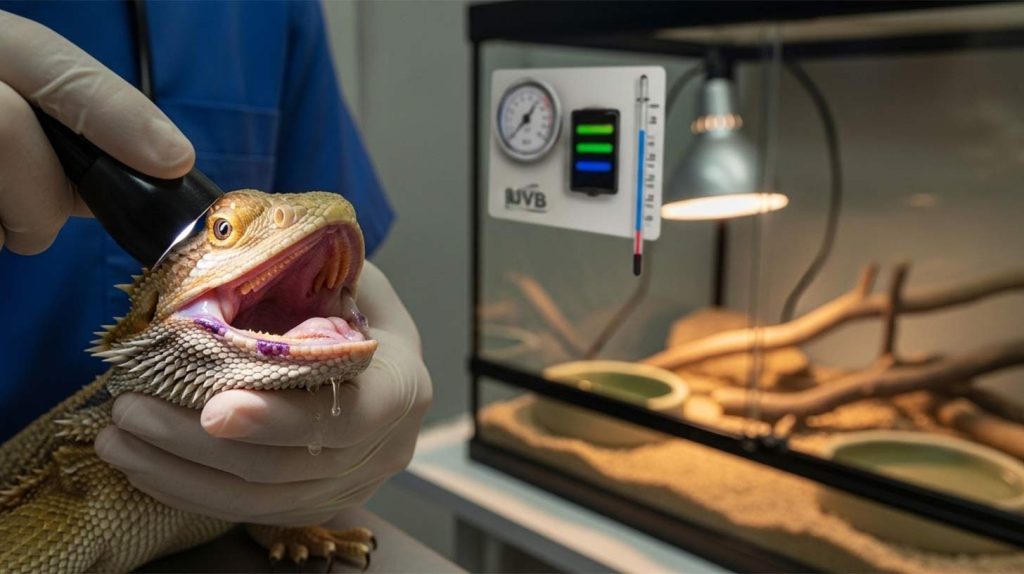
- Causes: It is the inflammation or infection of the tissue lining your reptile’s mouth. It is usually caused by the bacteria found in the reptile’s mouth.
- Symptoms: Early symptoms include tiny, purple-colored spots in the mouth. As the condition worsens, the diseased tissue develops along the rows of teeth. In serious cases, the infection may even spread to the lower and upper jaw bones.
- Care: Strict husbandry is needed to eliminate stress. Proper diet, temperature, and humidity are important. Check for drooling or swelling in the mouth to catch early symptoms.
Septicemia in Reptiles
- Causes: Septicemia is a common cause of death in reptiles. It is caused by bacteria in the blood. It may also result from parasites, environmental stress, trauma, or an abscess.
- Symptoms: Signs to monitor include convulsions, lack of energy, difficulty breathing, and loss of muscle control. Reptiles also develop tiny, purplish spots on their belly.
- Care: A well-maintained and clean enclosure reduces the risk of this disease. Keep affected reptiles in isolation and consult a vet immediately.
Internal Parasites: Roundworms in Reptiles
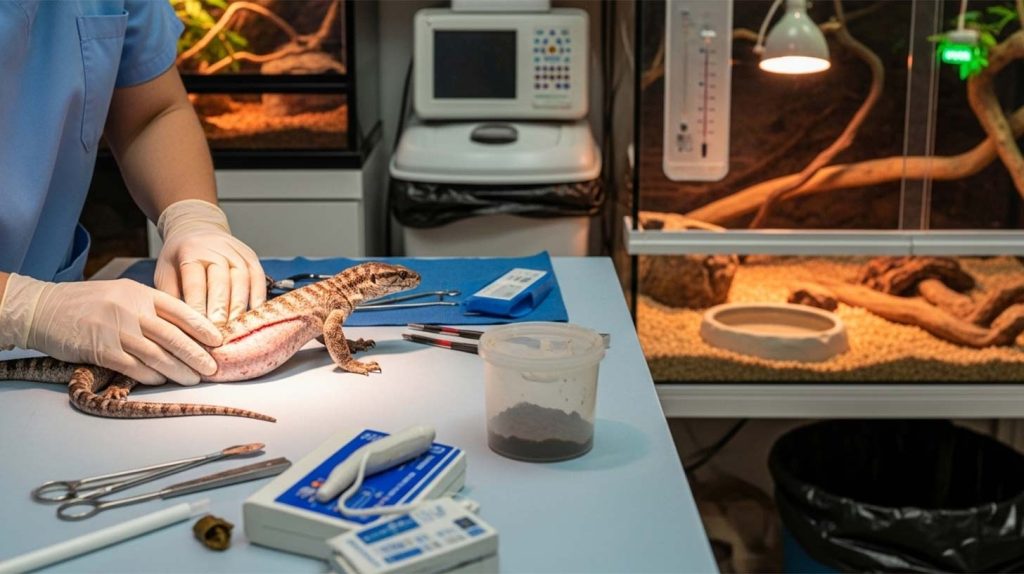
- Causes: Stomach worms (roundworms) infect many reptiles. These are primarily caused by eating contaminated food, water, or substrate. Other causes include fecal-oral transmission, stress, overcrowding, and in some species, direct skin penetration by worm larvae.
- Symptoms: Common signs include large swellings in the gastrointestinal tract, regurgitation of food, and loss of appetite. Swellings also cause abscesses and perforate the intestine.
- Care: Strict hygiene, regular vet visits, and proper husbandry are important. Remove feces immediately, sanitize the enclosure, and avoid feeding your reptiles wild-caught prey.
Eye Abscesses and Conjunctivitis
- Causes: Reptiles can suffer from abscesses and conjunctivitis around the eyes, commonly due to the spread of stomatitis from the mouth.
- Symptoms: In reptiles, the symptoms include swollen, closed, or cloudy eyes, discharge, and rubbing. The swelling under the eye of a spectacle occurs in snakes.
- Care: Along with strict enclosure hygiene, temperature, and humidity, your reptile may need topical eye ointment or even surgery.
Gout
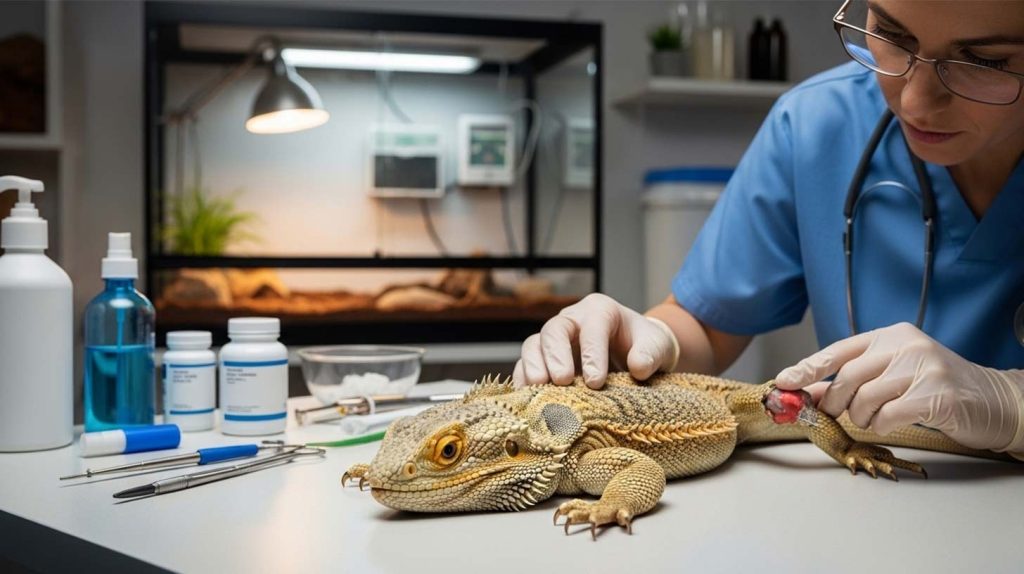
- Causes: Gout usually occurs due to high levels of uric acid in the blood. In reptiles, two types of gout occur: visceral gout, which affects organs, and articular gout, which affects the joints.
- Symptoms: As gout can be extremely painful, symptoms include reptile not moving, even to eat or drink.
- Care: You need to prevent uric acid buildup; for that, provide proper hydration, diet, and environmental management. Moreover, medical treatment for gout is usually long-term because the disease comes back when treatment is discontinued.
Dermatophytosis
- Causes: It is a fungal disease. In most cases, a skin injury allows the fungus to enter the skin.
- Symptoms: In reptiles, you might notice crusted, scaly, or ulcerated skin lesions, discolored patches, and abnormal shedding. In turtles, nodular skin lesions occur; in snakes, facial swelling and white or yellowish plaques are observed.
- Care: Cleanliness is key to deterring the proliferation of fungus. In turtles, damaged, dead, or infected tissue is removed from the shell, and an antiseptic solution is applied. Oral antifungal medicine or topical antifungal creams are also used.
Tumors
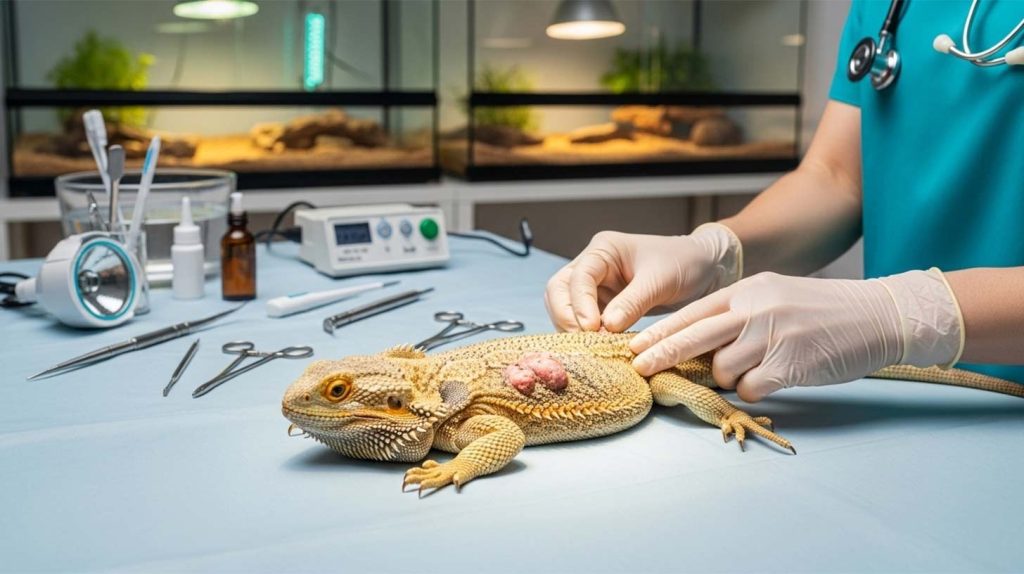
- Causes: Tumors are very common in reptiles. These are usually caused by parasites, viruses, environmental pollutants, chronic UV exposure, and genetic factors.
- Symptoms: Common signs include visible lumps, swelling, and skin lesions with weight loss, lethargy, and decreased appetite. Sometimes, bleeding and swelling of the limbs occur as well.
- Care: Tumors are surgically removed from the reptile’s body. Preventive care includes providing a balanced diet and regular vet visits to detect any potential tumor growth early.
Reptile-Specific Diseases
Shell Rot in Turtles and Tortoises
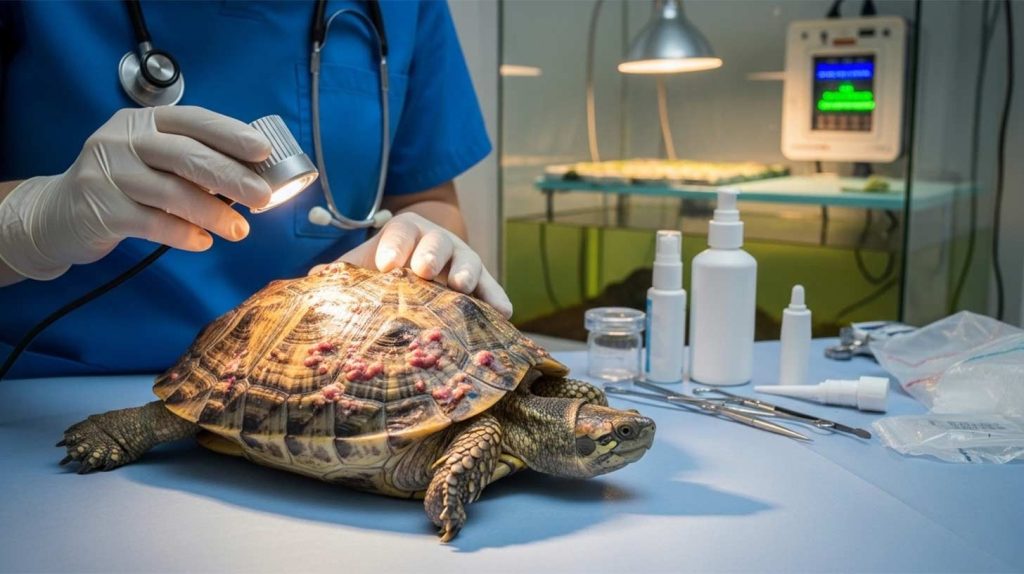
- Causes: Shell rot is a serious bacterial or fungal infection of the carapace or plastron. It is usually caused by a dirty environment, poor water quality, inadequate basking, excessive humidity, or injury.
- Symptoms: Shell rot symptoms include soft, smelly, or pitted areas on the shell, discoloration, lethargy, loss of appetite, and weakness. You might also notice discharge and scutes (shell plates) lifting, peeling, or falling off.
- Care: Fix the root cause by cleaning the enclosure regularly, increasing UVB, and providing proper basking temperatures. Veterinary treatment includes antibiotics, creams, and antiseptic solutions.
Hypovitaminosis A in Turtles
- Causes: It is a common nutritional deficiency in turtles, resulting from an inadequate diet (for instance, all-meat or low-quality pellets). It results in epithelial tissue damage.
- Symptoms: Swollen eyes, swelling on the sides of the ears, runny nose, sneezing, poor shedding, thin skin, lethargy, loss of appetite, and weakness are all symptoms of this disease.
- Care: You need to start feeding turtles vitamin A-rich foods, such as kale, broccoli, carrots, sweet potato, squash, and high-quality commercial pellets. Vitamin A supplementation is also important, but only with veterinary supervision.
Inclusion Body Disease in Snakes (IBD)
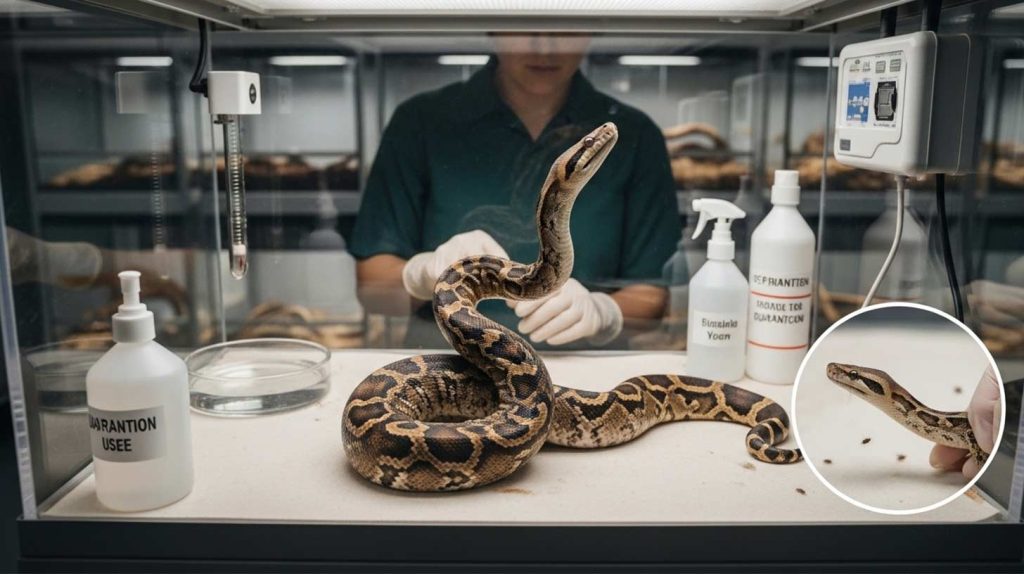
- Causes: It is a highly contagious and fatal disease in snakes, usually affecting pythons and boa constrictors. The main cause behind this is viruses in the family Arenaviridae. It is spread through direct contact between healthy and infected snakes, as well as by snake mites.
- Symptoms: Neurological symptoms (common in pythons) include stargazing, inability to turn over, paralysis, head tremors, and corkscrewing. Chronic/systemic symptoms (common in boas) include weight loss, anorexia, mouth rot, abnormal shedding, chronic regurgitation, skin cancer, and pneumonia.
- Care: There is no cure for IBD. However, you can take preventive measures, such as quarantining new snakes for six months, controlling mites, and practicing strict hygiene.
Zoonotic Concerns
All reptiles are carriers of germs, such as viruses, bacteria, worms, and parasites. Many of them get transmitted to pet owners and their families. The following are significant diseases.
Salmonella

Salmonella is commonly found in every reptile. It spreads when something contaminated with reptile feces is placed in the mouth. For instance, babies can become infected with Salmonella if they drink formula from bottles that have been contaminated with reptile feces.
Salmonella causes diarrhea, fever, headache, dehydration, and stomach cramps. It can even result in septicemia (blood poisoning).
Botulism
It is a life-threatening condition caused by a toxin released by the Clostridium bacterium. It results in paralysis and death. Clostridium usually contaminates reptiles, particularly aquatic reptiles.
Exposure to turtles or turtle feed causes botulism in infants. This is why reptiles, particularly turtles, are not ideal pets for children.
If you or your child comes into contact with a turtle, you should wash your or their hands immediately.
Other Infections
Different illnesses are linked with reptiles, such as trichinellosis (affects the heart, lungs, muscles, and the nervous system), campylobacteriosis (a bowel disease), and leptospirosis (a liver disease). Some diseases can be treated; however, some can be fatal.
With that being said, many people who keep reptiles do not fall sick as long as they maintain proper hygiene of the pet, its enclosure, and environment.
When to Visit an Exotic Veterinarian for Reptile Care
Reptiles are very good at hiding illness, which means that by the time symptoms become obvious, the condition may already have worsened. This is why you need to identify early warning signs and seek help from an exotic reptile veterinarian instead of a general practitioner.
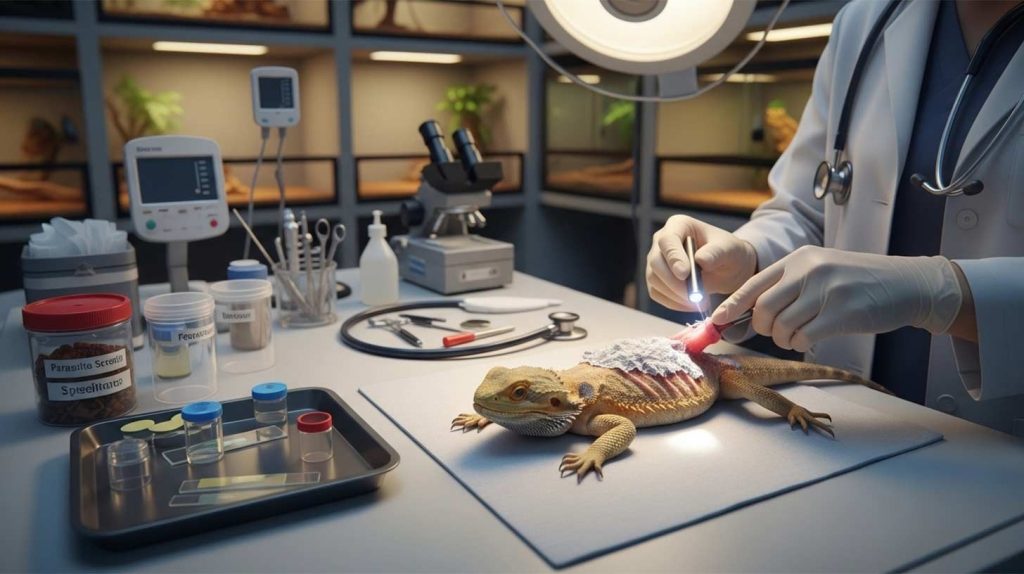
If you notice the following signs, you need to consult a reptile vet immediately.
- Sudden weight loss
- Loss of appetite
- Wheezing
- Difficulty breathing
- Mucus around the mouth or nose
- Abnormal droppings
- Issues in shedding
- Swelling or lumps
- Injuries
- Neurological signs, such as tremors, disorientation, or stargazing
You can save your reptile just by taking it regularly to the vet instead of waiting for emergencies to happen. Regular fecal exams, parasite screenings, and overall health checks are necessary to avoid symptoms becoming life-threatening.
Preventing Common Reptile Diseases
Prevention is the best way to keep diseases at bay.

- Proper Enclosure Setup: Learn about your reptile species and provide appropriate temperature, humidity, and substrate.
- UVB Lighting and Heat: Replace UVB bulbs and give your reptile a dedicated space to bask.
- Balanced Diet and Supplementation: Always feed your reptile species-specific diet and provide supplements as needed.
- Cleanliness and Hygiene: Clean enclosures, accessories, and water bowls. Remove uneaten food properly and ensure clean water for aquatic species.
- Quarantine New Reptiles: Isolate new pets for 30 to 60 days and monitor any signs of illness before introducing them to other reptiles.
- Reduce Stress: Avoid overcrowding, provide appropriate hiding spots, and do not handle your pet a lot.
- Monitor Behavior and Health: Keep track of feeding, shedding, and activity patterns. Early changes usually signal underlying issues.
Final Thoughts
Reptile diseases can be easily prevented just by getting the basics right, such as diet, temperature, and hygiene.
One thing every reptile pet owner should remember is that not every condition can be treated at home. Reptile care needs specialized knowledge, and delaying professional help will make minor issues serious.
Therefore, stay observant, take all disease preventive measures, and seek help promptly from a qualified reptile vet when you notice disease symptoms.
Interested in more reptile care blogs? Feel free to visit Pet Guides.
FAQs
How can I tell if My Reptile is Sick Early?
Early signs of illness in reptiles include reduced appetite, hiding more than usual, weight loss, and changes in basking behavior. Because reptiles mask symptoms, even a minor change in behavior needs prompt attention.
Can Reptiles Recover from Metabolic Bone Disease Naturally?
Mild cases of metabolic bone disease get better with proper UVB lighting, calcium supplementation, and a balanced diet. However, severe cases require veterinary treatment immediately; otherwise, your reptile may end up with permanent deformities.
Are Wild-caught Insects Safe for Feeding Pet Reptiles?
Wild-caught insects may carry parasites, pesticides, or toxins. Therefore, these insects are not recommended as your reptile’s diet. Feed your pet captive-bred or properly sourced insects.