

20-Second Summary
When it comes to small pets, you must know the common diseases that can impact them, so that you are able to detect them early to take actions timely manner and help your furry friend with a healthy and long lifespan.
In this blog, we will be covering 15 common small pet illnesses that will include: respiratory infections, digestive problems, dental issues, skin diseases, parasites, and more, including chronic conditions.
Going through these diseases, you can learn how to spot the symptoms for early disease prevention in your small pets at each stage of their life cycle. This will ensure they live longer and healthier lives
Understanding Small Pet Health and Illness Prevention
When it comes to small pets, the lifespan of small pets differs for different species. Those who live less than five years have a quick lifecycle for baby, adult, and senior ages, and are at risk of various illnesses that need to be catered timely manner. Those who live longer have extended lifecycle stages and hence require long-term commitment and care for preventing diseases at each stage.
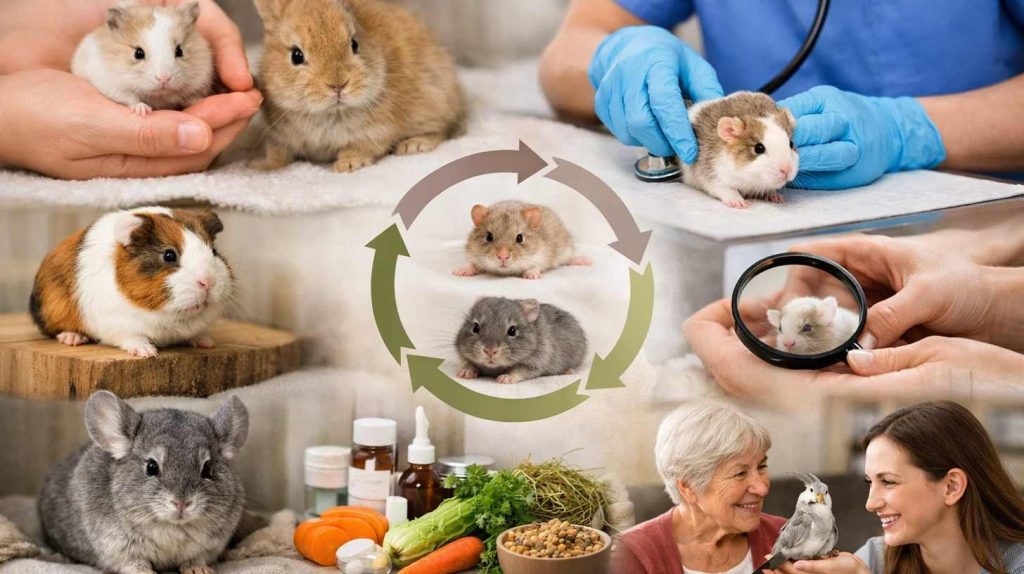
With early detection and preventive care, you can save your small pet from many serious diseases.
Life Stages and Their Impact on Small Pet Health
Each pet goes through three life stages that impact their health differently, hence they all come across as important to consider when talking about disease prevention in small pets.
Baby Small Pets
At this stage, they have an immature immune system, require a special diet, and are sensitive to temperature changes.

Primary disease risks: Congenital disorders, bacterial and viral infections, nutritional deficiencies, and failure to thrive.
Early warning signs: Poor weight gain, lethargy, abnormal breathing, diarrhea, and refusal to feed.
Adult Small Pets
Since they are active at this stage, some early diseases may not show any signs in them; you need to be careful around them.
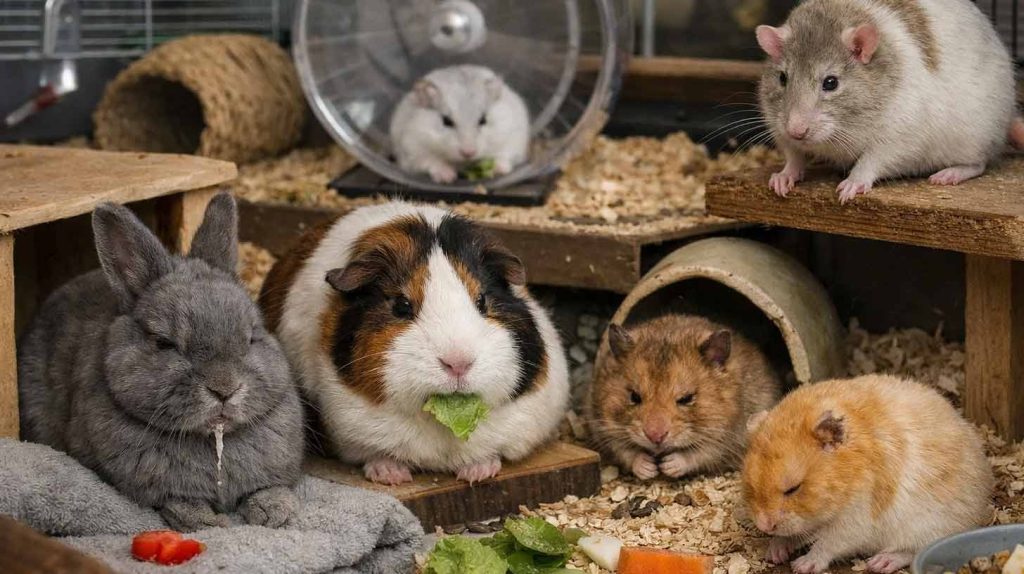
Primary disease risks: Dental disease, obesity related illness, reproductive disorders, stress-induced immune suppression.
Early warning signs: Weight gain or loss, reduced appetite, drooling, behavioral changes, and reduced activity.
Senior Pets
At this stage, they have a slow metabolism with a weak immune system and some cellular damage accumulation.

Primary disease risks: Organ degeneration, arthritis, tumours, chronic respiratory and digestive disease.
Early warning signs: Stiff movement, difficulty eating, chronic weight loss, labored breathing, and visible lumps.
Respiratory Diseases in Small Pets
Respiratory diseases in small pets are common due to their fast metabolic rate and limited lung capacity, which makes them vulnerable to respiratory infections from environmental irritants.
These diseases are prevalent in both long-lived and short-lived small pets.
- In short-lived small pets, these can be life-threatening in a really short period if not cared for timely manner.
- In long-lived pets, respiratory diseases are not a one-time treatment and may require long-term management.
Respiratory Disease Patterns in Small Pets under 5 years
Small pets have shorter lifespans, hence a rapid disease progression due to compressed life cycles and quick aging immune systems.

Early warning signs to watch for respiratory diseases include:
- Sneezing or nasal discharge.
- Laboured breathing.
- Reduced activity.
- Loss of appetite.
- Hunched posture or reluctance to move.
Respiratory Disease Patterns in Small Pets over 5 years
Long-lived small pets usually get recurring respiratory issues. Early warning signs to watch for respiratory diseases in them include:

- Subtle breathing changes during rest.
- Reduced activity stamina.
- Chronic nasal discharge.
- Weight loss due to reduced oxygen intake.
- Breathing difficulty.
Most Vulnerable Life Stages
The baby stage and senior ages are most vulnerable to this disease because newborns have an immature immune system that is sensitive to these infections, and the senior stage also have declining immune system with lung elasticity that increases the risk.
How to Prevent Respiratory Diseases in Small Pets
With preventive care, you can improve the lifespan and life expectancy of your small pets. Below are some precautions that can help save them from respiratory issues.
- Maintain clean, dust-free bedding.
- Ensure their enclosures have proper ventilation.
- Avoid smoke and strong odours.
- Give them a proper routine and enrichment activities to reduce stress.
- Schedule regular veterinary checkups.
Digestive Problems in Small Pets
Digestive diseases are common in small pets. They exist due to their constant eating patterns, their fast metabolism, and sensitive gut flora.

The minor digestive issue can cause dehydration, malnutrition, and organ stress in them.
Digestive problems are among the most common health issues in small pets due to their fast metabolism, sensitive gut flora, and constant feeding behavior. Even a short disruption in digestion can quickly lead to dehydration, malnutrition, and organ stress.
Digestive diseases are common in both long-lived and short-lived small pets, but their speed and severity can differ for both.
- In short-lived small pets, digestive problems can become life-threatening within days if not addressed promptly.
- In long-lived small pets, digestive disorders like respiratory issues develop gradually and require ongoing management. These can become chronic in some long-lived small animals, too.
Digestive Disease Patterns in Small Pets under 5 years
The rapid metabolic system of short-lived pets makes their digestive system highly sensitive to stress, diet changes, and poor hygiene. Digestive diseases in them can progress quickly.

If not treated properly, this disease can cause an electrolyte imbalance and organ failure.
Early warning signs to watch for include:
- Diarrhea.
- Partial or complete loss of appetite.
- Rapid weight loss.
- Abdominal discomfort.
- Dehydration, sunken eyes, or dry mouth.
- Lethargy
- Reduced grooming.
Digestive Disease Patterns in Small Pets over 5 years
Long-lived small pets are more prone to recurrent or chronic digestive disorders because their digestive efficiency declines with age. Unmanaged digestive issues in these animals can create chronic digestive issues that limit nutrient absorption, weaken their immunity, and shorten their lifespan.

Early warning signs to watch for include:
- Gradual weight loss despite normal feeding.
- Selective eating or food refusal.
- Chronic soft stools or constipation.
- Reduced fecal output.
- Gas buildup.
- Lower activity levels linked to digestive discomfort
Most Vulnerable Life Stages
The baby stage and the senior stage are the most vulnerable to digestive diseases.
- Young small pets have developing digestive systems and unstable gut bacteria. This makes them highly sensitive to infections due to sudden diet change or poor hygiene.
- Senior pets can experience slowed digestion, reduced enzyme production, and decreased organ efficiency. This increases the risk of gastrointestinal disorders in them.
How to Prevent Digestive Problems in Small Pets
- Feed a species-appropriate and consistent diet.
- Avoid sudden food changes.
- Provide constant access to clean, fresh water.
- Keep good hygiene in their enclosures.
- Monitor fecal output and appetite daily.
- Reduce stress in them with daily routines and enrichment activities.
- Schedule regular veterinary checkups.
Dental Problems
Dental problems shouldbe of major concern as they directly affect feeding, digestion, and immunity-related factors in small animals, which impacts their lifespan.

Dental diseases affect both short-lived and long-lived small pets, but the impact timeline differs.
- In short-lived small pets, dental issues can quickly lead to starvation and a decline in health.
- In long-lived small pets, dental disease usually develops slowly, but it can become a chronic condition requiring lifelong management.
Dental Disease Patterns in Small Pets under 5 years
Small pets having shorter time periods face faster dental deterioration due to the continuous growth of teeth. And if the diet and care are inadequate, it can impact them.
- Early warning signs to watch for include:
- Reduced eating.
- Drooling or wet fur around the mouth.
- Weight loss within a short period.
- Grinding teeth (Bruxism).
- Swelling on the face or mouth irritation.
- Dropping food while eating.
Dental Disease Patterns in Small Pets over 5 years
Age-related changes in jaw structures can develop progressive dental diseases in long-lived pets. This can cause reduced chewing activity, impacting dietary intake. Unmanaged symptoms can cause chronic pain, digestive failure, and infections, leading to reduced life expectancy.
Early warning signs to watch for include:
- Slow and consistent weight loss.
- A liking towards soft foods.
- Decreased chewing efficiency.
- Chronic drooling and wet mouth fur.
- Bad breath.
- Behavioral changes linked to oral pain.
Most vulnerable life stages
The adult and senior stages are most vulnerable to dental diseases.
- When not provided with a proper diet or chewing enrichment, adult pets can develop dental issues.
- Senior pets gradually lose their jaw strength, leading to exposed tooth roots and an increased risk of infections.
How to Prevent Dental Problems in Small Pets

- Provide a diet that supports natural tooth wear
- Provide safe chewing materials and enrichment.
- Give sof diet only when required medically.
- Monitor your pets’ eating habits and mouth condition regularly.
- Schedule routine veterinary dental checks.
- Address minor dental changes before they become worse.
Parasitic Infections in Small Pets
Parasites can drastically shorten the lifespan of small pets if not treated properly. These develop silently and can affect multiple body organs at the same time.
Parasitic infections in short-lived and long-lived small pets are similar, but they can spread quickly in short-lived pets. They also differ based on how long the pet must manage the condition.
- In short-lived small pets, parasites can become life-threatening within weeks due to rapid dehydration, anemia, and immune suppression.
- In long-lived small pets, parasites often lead to chronic illness, recurring infections, and long-term organ stress.
Parasite Patterns in Small Pets under 5 Years
Short-lived small pets experience a faster spread of the disease due to short life cycles and less time to recover when the condition worsens.

Early warning signs include:
- Weight loss despite eating.
- Diarrhea or abnormal stools.
- Scratching.
- Hair loss.
- Pale gums (indicate anemia).
- Reduced activity.
Parasite Patterns in Small Pets over 5 Years
Long-lived small pets may develop recurring parasitic infections that gradually weaken their immune system.
Early warning signs include:
- Chronic digestive upset.
- Poor coat condition.
- Appetite loss.
- Recurring lethargy.
- Slow weight decline.
Most Vulnerable Life Stages
The baby and senior stages are most vulnerable.
- Babies have an immature immune system for defence against them.
- Seniors have a gradual decline in immunity, allowing parasites to impact them largely if not controlled in a timely manner.
How to Prevent Parasites in Small Pets
- Maintain strict hygiene in their enclosures.
- Provide clean food and water daily.
- Schedule routine fecal and wellness exams.
- Do not introduce new companions quickly. Keep them in quarantine, and only introduce them when they are completely parasite-free.
Skin and Fur Disorders
The appearance of issues in the skin and coat indicates underlying diseases in pets and should be taken seriously.

Skin disorders in small pet species are usually linked to parasites, nutritional deficiencies, stress, or chronic illness.
- In short-lived small pets, skin disease progresses quickly and can lead to secondary infections.
- In long-lived small pets, skin conditions are often chronic and may indicate systemic health decline.
Skin Disorder Patterns In Small Pets Under 5 Years
Early warning signs include:
- Patchy hair loss.
- Red or flaky skin.
- Excessive scratching on the skin.
- Greasy and dull skin coat.
- Scabs on the skin.
Skin Disorder Patterns In Small Pets Over 5 Years
Older and long-lived pets may show gradual skin deterioration linked to aging, hormonal imbalance, or chronic disease.
Early warning signs include:
- Thinning fur.
- Delayed wound healing.
- Persistent dryness.
- Skin discoloration.
- Recurring infections.
Most Vulnerable Life Stages
- The baby stage is vulnerable because they have immature skin barriers.
- Senior pets have slower cell regeneration and decreased immunity, hence are prone to skin issues.
How To Prevent Skin a nd Fur Disorders

- Provide a diet with species-specific nutrition.
- Maintain proper humidity and hygienic enclosure conditions.
- Reduce environmental stress on pets.
- Monitor coat changes regularly and use proper skin products.
- Seek veterinary care when you spot early signs.
10 Other Common Small Pet Diseases and Their Impact on Health
As we have already discussed five major small pet diseases above, we will now give you 10 more common diseases in tabular form, so that you can scan them easily, and know how exactly they affect based on the disease impact and structure given above.
| Disease Category | Under 5 Years Disease Pattern | Over 5 Years Disease Pattern | Key Early Warning Signs | Most Vulnerable Life Stages | Prevention Focus |
| Urinary and Kidney Issues | Rapid dehydration and acute failure | Gradual organ degeneration | Reduced urination, lethargy | Senior | Hydration, diet balance |
| Joint and Mobility Disorders | Injury-related mobility loss | Arthritis and stiffness | Limping, reluctance to move | Senior | Exercise control, soft flooring |
| Eye and Ear Infections | Fast spreading infections | Chronic recurring infections | Discharge, head tilting | Baby, senior | Clean environment |
| Contagious and Viral Diseases | High mortality risk | Long-term carrier states | Fever, appetite loss | Baby | Quarantine, hygiene |
| Gastrointestinal Blockages | Sudden life-threatening emergencies | Reduced gut motility | No stool, bloating | Adult | Proper diet, enrichment |
| Obesity and Diet-Related Illnesses | Faster organ strain | Long-term metabolic disease | Weight gain, low activity | Adult | Portion control |
| Chronic Conditions in Senior Pets | Rare due to short lifespan | Progressive disease | Weight loss, weakness | Senior | Regular vet checks |
| Vitamin and Nutritional Deficiencies | Growth failure | Bone and organ decline | Poor coat, lethargy | Baby, senior | Balanced nutrition |
| Behavioral and Stress-Related Issues | Immune suppression | Chronic stress illness | Hiding, aggression | All stages | Environmental stability |
| Reproductive and Hormonal Disorders | Early onset complications | Tumors, hormonal imbalance | Behavioral change, swelling | Adult, senior | Neutering, monitoring |
Final Remarks
If you are considering getting a small pet, then their life span should not be a single factor in deciding to buy them. You must also know about the diseases that impact them, and the symptoms that you must consider to visit a vet before things get worse.
But something more important than that will be to take prevention, as doctors say that prevention is better than care.
This blog has mentioned the 15 most common and important diseases that one should know about their small pet. You can use this information, and also get more from the detailed small pets guides available on our website.
Frequently Asked Questions
What are the most common small pet illnesses?
The 15 most common diseases are respiratory infections, digestive problems, dental issues, parasitic infections, and skin disorders (the five major categories), plus urinary/kidney issues, joint and mobility disorders, eye and ear infections, contagious and viral diseases, gastrointestinal blockages, obesity, chronic conditions, nutritional deficiencies, behavioral issues, and reproductive disorders.
How can I recognize sick pet signs early?
You need to watch changes in their appetite, behaviors with symptoms including: sudden weight loss or gain, diarrhea, constipation, hair loss, discharge from the nose and eyes.
What preventive measures reduce small pet diseases?
Each pet and their issues require specific prevention. But there are some general practices that you should consider, which include: maintaining clean enclosures, providing proper ventilation, providing species-appropriate consistent diet, ensuring constant access to fresh water, offering safe chewing materials for dental health, keeping strict hygiene to prevent parasites, monitoring daily eating and activity, scheduling regular veterinary checkups, reducing environmental stress, and quarantining new companions before introduction.