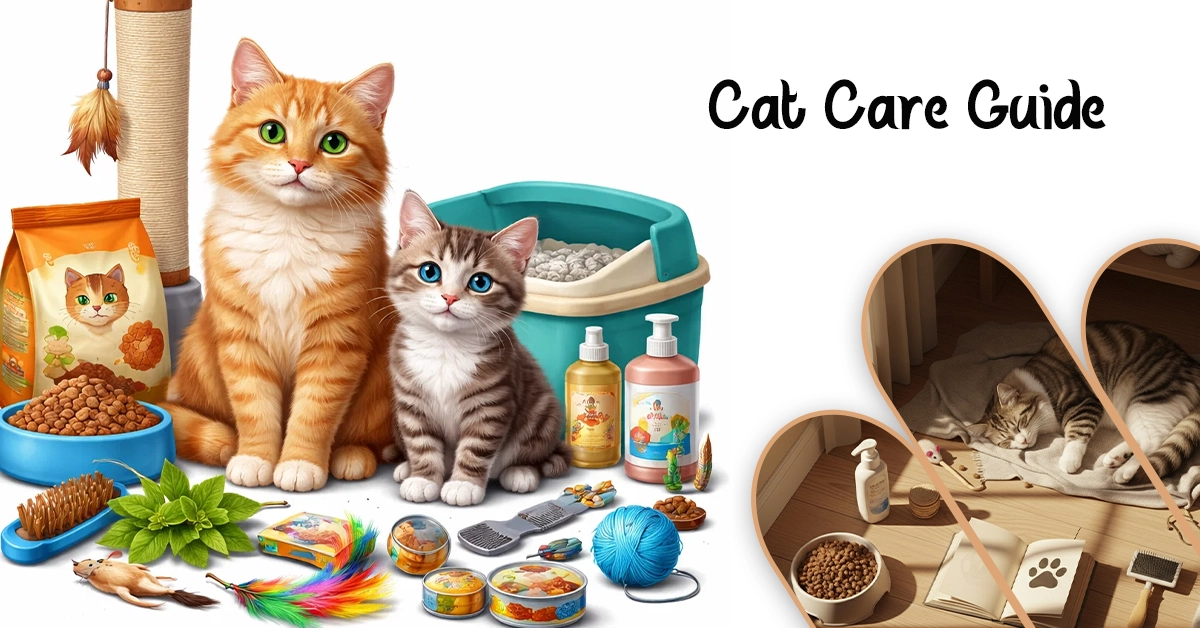

Have you recently brought a new feline friend into your home? It is thrilling to see this adorable new family addition jumping around and being comfortable. However, now you need to care for it properly in every aspect, including health, nutrition, grooming, and training.
In this comprehensive cat guide, we discuss all these aspects in detail. Whether you are a new cat owner, a kitten adopter, or an experienced cat parent, this blog will help you keep your beautiful feline friend always healthy.
Key Takeaways
- Cats communicate primarily through behavior and body language, not just sounds.
- Preventive veterinary care is important because cats are good at hiding illnesses.
- Proper nutrition, hydration, and enrichment have a direct impact on a cat’s lifespan.
- Consistency, patience, and routine create a healthy and stress-free environment for cats.
Understanding Your Cat
As a cat parent, you should understand your cat for it to be happy, healthy, and live a long life. Here are some cat behavior basics to know.
Bathroom Habits
One of the best things about having a cat is that they already know how to use a litter box at an early age, and they require very little potty-training. However, they can sometimes urinate or defecate outside the litter box, which can be a problem.
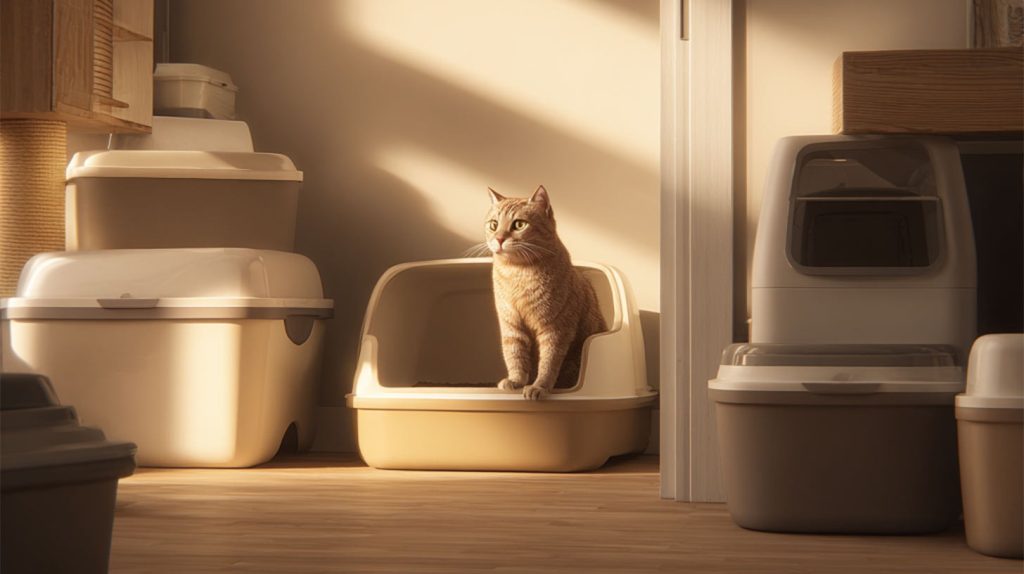
To avoid this issue, you should
- Place multiple litter boxes throughout the home
- Have one litter box for each cat
- Clean litter boxes daily, as cats prefer clean boxes
- Cover litter boxes to contain the odor
Scratching
Cats scratch a lot and for many reasons. Scratching allows them to shed the outer layer of their nails and also helps them mark their territory by leaving their scent behind from sweat glands in their feet.
Providing your adorable feline with a scratching post will keep your couches and door frames from being scratched.
Purring
Cat purring is still one of the mysteries of feline behavior. Cats generally purr when they are feeling relaxed or being cuddled. However, cats also purr in times of stress and illness. Therefore, if you see your cat in pain and purring, see a vet immediately.
Jumping and Climbing
Cats love to jump and climb. Kittens even try to climb curtains and all over furniture. The best part is that you can train them not to jump on specific surfaces, like kitchen counters. Window seats for cats and scratching posts are great for climbing and jumping.
Drinking
Cats prefer clean running water for drinking. Some cats even beg for water at the bathroom tub or sink and will drink the trickling water from the tap.
You should buy a cat water fountain, as it provides moving water that is filtered. Drinking clean water is crucial for all cats, particularly male cats, as they are prone to problems that can get worse if they do not drink enough water.
Playing
Cats, particularly the young ones, have an instinctive prey drive. Outside, they love to hunt birds, insects, and mice. Therefore, it is important to give them safe toys that satisfy this desire to hunt.

You can buy many cat toys from pet stores, but do not give them string, rubber bands, tinsel, or ribbon to play with. These can cause serious risk to the cat if ingested and may need surgical removal.
Cat Body Language Explained
To truly understand cat care basics, owners should know their body language because it reveals what their pet is feeling.
These are some body language signals and what they indicate.
Posture and Shape
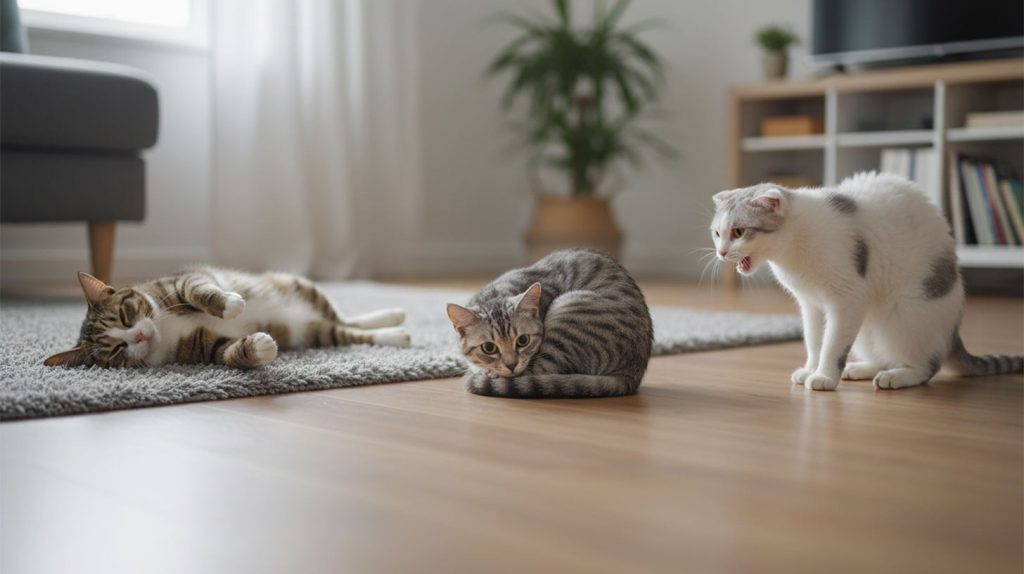
- Relaxed and stretching cats usually feel safe and comfortable.
- Crouched cats, particularly in a ball shape, can be anxious, scared, or in pain.
- Arched backs with puffed fur mean fear or readiness to defend themselves.
Tail Language
- Vertical tail held high means confidence and friendliness.
- Tail tucked low usually means fear or anxiety.
- A puffed-out tail means the cat is trying to appear larger, either due to being defensive or threatened.
- A quivering tail can be due to excitement or fear.
Ear Positions
- Normal or forward ears symbolize trust and affection.
- Ears back or flattened show fearfulness, defensive stance, or anger.
Eye Signals

- Slow blinking shows trust and affection.
- Dilated pupils can mean playfulness, fear, excitement, or stress.
Whisker Positions
- Whiskers pulled back mean that the cat is likely afraid or nervous.
- Whiskers forward represent a cat’s confidence or focus.
Different cat sounds and vocalization also represent comfort or distress.
- Purring, as we discussed above, can be a sign of happiness or stress and pain.
- Growling usually means a warning to back off.
- Hissing usually occurs when the cat feels threatened.
- Yowling or shrieking often shows intense distress or strong emotions.
- Chirping or chattering is a reaction to prey-like stimuli.
Different Cat Temperaments
| Temperament | Key Traits / Behavior | Interaction Style | Example Breeds | Notes / Care Tips |
| Affectionate and Social | Loves cuddling, follows the owner, seeks attention | Friendly, enjoys being with people | Ragdoll, Siamese, Maine Coon | Needs daily interaction; thrives in family environments |
| Independent and Aloof | Enjoys alone time, explores independently | Approaches people on their own terms | Russian Blue, British Shorthair, Chartreux | Respect boundaries; provide solo enrichment |
| Playful and Energetic | Loves chasing, climbing, and interactive play | Engages actively, can be mischievous | Abyssinian, Bengal, Somali | Requires active play sessions; mental stimulation is important |
| Shy and Timid | Hides easily, cautious around strangers | Slow to warm up, avoids unfamiliar people | Scottish Fold, Oriental Shorthair (some individuals) | Introduce slowly; calm environment; patience is key |
| Curious and Intelligent | Investigates surroundings, problem-solvers | Engages with toys, puzzles, and interactive environments | Siamese, Burmese, Oriental Shorthair | Enrichment and puzzle feeders are recommended |
| Vocal and Communicative | Meows, chirps, purrs frequently | Expressive; demands attention vocally | Siamese, Burmese, Oriental Shorthair | Respond appropriately; may need reassurance |
| Dominant and Territorial | Marks territory and may challenge other pets | Assertive, may be aggressive toward other cats | Maine Coon, Turkish Van (individual variation) | Careful with multi-cat households; provide personal spaces |
| Laid-back and Calm | Relaxed, slow to react, enjoys lounging | Gentle, low-maintenance | British Shorthair, Ragdoll | Ideal for quieter households; still needs interaction |
Indoor vs Outdoor Decision
Deciding whether to keep your kitty indoors or allow it to explore outdoors is an important decision. Both lifestyles have their pros and cons.
Indoor Cats
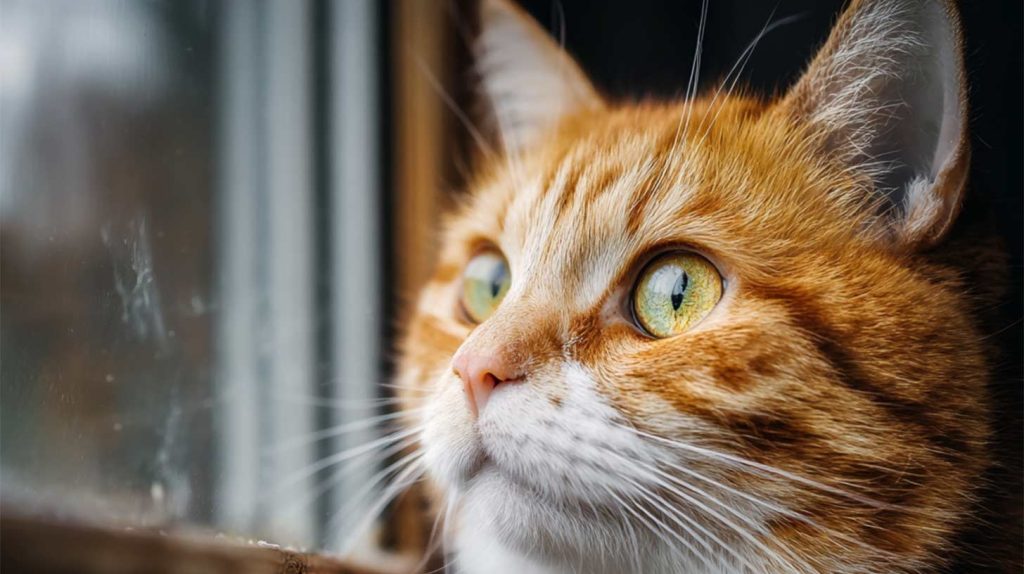
Pros
- Indoor cats are safe from any unfortunate mishaps like traffic accidents, predators, and harsh weather.
- These cats are less likely to contract parasites, diseases, or get injured in fights with other cats.
- It is easy to monitor an indoor cat, its behavior, diet, and overall health.
Cons
- Without constant stimulation, indoor cats can become bored and even gain weight.
- Indoor cats often miss out on the physical and mental enrichment that comes with outdoor exploration.
- These cats need a lot of toys, like scratching posts and cat trees, to stay engaged.
Outdoor Cats

Pros
- Outdoor cats get natural enrichment that fulfills their natural hunting instincts.
- These cats have a more independent lifestyle and need less attention.
- They get more space to explore and are less likely to scratch furniture or have any litter tray problems.
Cons
- Outdoor cats are more exposed to danger, such as cars, other animals, and even theft.
- They can contract various diseases and get fleas and ticks.
- Outdoor cats often live shorter lives due to exposure to dangers.
There are different ways you can transition an indoor cat to outdoors or outdoor cats to an indoor lifestyle.
For indoor cats transitioning to an outdoor lifestyle, start with supervised outings through a harness, create a safe outdoor space, and keep monitoring their behavior.
To transition an outdoor cat indoors, provide them with a lot of enrichment, create a proper routine with play sessions, give them window perches, and start limiting their outdoor access gradually.
Cat Health and Veterinary Care
Cat health care is extremely important. It includes taking care of your feline friend yourself as well as regular veterinary visits.
Signs You Need to Take Your Cat to a Vet
The warning signs a cat owner should look for are
- Sudden changes in weight (loss or gain)
- Changed appetite and thirst
- Diarrhea
- Vomiting
- Coughing or sneezing
- Increased aggression
- Bad breath or drooling
- Changed litter box habits
Common Cat Health Problems
| Disease | What It Is | Key Warning Signs |
| Chronic Kidney Disease (CKD) | Progressive kidney failure (common in senior cats) | Increased thirst/urination, weight loss |
| Diabetes Mellitus | Blood sugar regulation disorder | Excessive drinking, frequent urination, and weight changes |
| Feline Lower Urinary Tract Disease (FLUTD) | Bladder/urinary issues | Straining to urinate, blood in urine |
| Feline Leukemia Virus (FeLV) | Contagious viral disease affecting immunity | Lethargy, recurring infections |
| Feline Immunodeficiency Virus (FIV) | Weakens the immune system | Poor healing, frequent illness |
| Upper Respiratory Infections (URI) | Viral/bacterial respiratory infections | Sneezing, nasal/eye discharge |
| Hyperthyroidism | Overactive thyroid (older cats) | Weight loss despite a good appetite |
| Obesity | Excess body fat increases disease risk | Lethargy, difficulty moving |
| Periodontal (Dental) Disease | Gum and tooth infection | Bad breath, drooling, and appetite loss |
| Fleas | External parasites | Scratching, hair loss, skin irritation |
Why Preventive Care is Important for Cats
Cats have the ability to mask illnesses due to their stealthy nature. However, their serious conditions, like diabetes, kidney diseases, or dental problems, can increase without being noticed for months.
This is why preventive care is important, because it allows pet owners to
- Catch any health problems early
- Monitor cats’ weight, dental health, and vital signs
- Get cats vaccinated
- Provide parasite prevention
- Offer tailored dietary and behavioral guidance
Vaccies and Parasite Prevention
Proper vaccination and parasite protection are important in feline preventive care.

Core Vaccines
- Rabies vaccination is required by law in many areas.
- FVRCP is important for protection against calicivirus, panleukopenia, and rhinotracheitis.
- FeLV is recommended for outdoor cats and kittens.
Parasite Protection
- Go for monthly flea, heartworm, and tick treatments.
- Even indoor cats can get fleas from shoes, windows, or other pets, so taking care of them is necessary.
Cat Dental Care
Dental diseases are common in cats, and they are often overlooked. Plaque and tartar can result in

- Difficulty eating
- Tooth loss
- Painful gingivitis
- Infections that can affect the kidneys or the heart
Additionally, foul breath also signals dental issues and gum disease.
Routine exams by vets tell owners the right brushing techniques and diet they should give to their cat during dental issues.
Cat Feeding Guide
Cats are carnivores, meaning all the nutrition they need comes from animal products. Their diet should have high amounts of protein, normal amounts of fats, and minimal amounts of carbohydrates.
Types of Commercial Cat Food
Commercial cat foods include dry, semi-moist, and canned food. They differ in water content, caloric density, protein level, and digestibility.
Dry Food: Dry food has water content between six and ten percent. It has a mix of ingredients that are dried into bite-sized pieces. These pieces are coated with flavor enhancers like animal fat to make the food appetizing.
Semi-Moist Food: Semi-moist food has meat or meat by-products and has 35% water content. This type of food can be more appealing to cats than dry food. However, it can become dry or even rancid once the can is opened.
Canned Food: It is a type of wet food. It is at least 75 percent moisture and is an excellent source of water. It is more expensive than dry and semi-moist food; however, it is also extremely palatable for most cats. It has the longest shelf life when unopened, but the opened portion should be refrigerated to maintain quality.
Food You Should Avoid Giving Your Cat
Here is a list of some foods your cats should not consume.

- Chocolate
- Alcohol
- Caffiene
- Onions, garlic, and chives
- Grapes and raisins
- Milk and other dairy products
- Fat trimmings and bones
- Raw eggs
- Raw meat and fish
- Yeast dough
- Too many treats
- Xylitol
Cat Behavior and Training
Understanding cat behavior is necessary to building a good, trusting relationship with your feline companion. You may think cats are independent. However, they are highly sensitive, and their behavior reflects their environment, routine, and emotional state.
This is why proper training and behavior management prevent common problems like anxiety and aggression.
Behavior and Training Tips
- Litter Box Training: It is usually easy, as cats instinctively know how to use it. However, problems can occur if the box is dirty, shared by other cats, or placed poorly. Keep one litter box for each cat and place it in an accessible area. If you notice sudden litter box avoidance, do not ignore it; consult a vet.
- Scratching Behavior: Scratching is normal cat behavior. However, to prevent damage to your furniture, provide your pet with scratching posts in different textures, like cardboard, carpet, and sisal. Keep redirecting their behavior gently when they try to scratch your furniture.
- Basic training: This type of training includes responding to their name, using a carrier calmly, and learning other simple commands. It is easily achievable through short, positive sessions that pair consistent cues with treats.
- Anxiety Management: Cats like routines, and sudden changes, like moving homes, new family members, or loud noises, can trigger stress. If your cat hides, has changed appetite, or is getting aggressive, you need to create a predictable schedule. Offer them safe hiding spots as well as interactive play.
Multi-Pet Household Introduction
If you are introducing a cat to your other pets (cats or dogs), you need to be patient and never force interaction. Keep pets separated and allow them to become familiar with others’ scents through toys or bedding.

Gradually allow them to interact and reward calm behavior for both parties. Every pet should have its own food and water bowl, litter box, and resting area. With time, all your pets will learn to live together peacefully.
Aggression Management
Your cat can be aggressive due to fear, oversimulation, frustration, or territorial instincts. An aggressive cat hisses and growls, and you will also notice flattened ears.
Never give any sort of physical punishment to your cat. It will only increase fear and damage trust. Instead, try to identify and remove triggers that cause aggressive behavior. If this behavior does not go away, visit a vet or consult a feline behavior specialist.
Cat ownership is a beautiful thing, but it requires patience, empathy, structure, and consistency to create a suitable living environment for your feline friend.
Cat Hygiene and Grooming
Here is how you can keep your cat clean and groomed.
Fur Care

- Bathing: Your cat can easily tackle its own hair care needs. However, if it is very dirty, sticky, or smelly, you should give it a bath with a gentle cat shampoo.
- Brushing: Brushing removes dirt, grease, and dead hair from the cat’s coat and also stimulates blood circulation. One or two brushings every week are important, particularly for older cats who cannot groom themselves properly.
- Skin Problems: When your cat suffers from a skin problem, it usually starts with excessive scratching, chewing, and licking. The causes can be external parasites, allergies, seasonal changes, and stress, and you should consult a vet.
- Shedding: Cats naturally shed hair all year round. However, if you see bald patches in their fur, this may be an indication of an underlying health problem and should be evaluated by a vet.
Ear Care
A cat’s ears are extremely sensitive and pick up faint sounds. You should monitor your kitty’s ear every week for wax, dirt, and infection to ensure they stay clean and healthy.
Paw and Nail Care
Cats need healthy paws for climbing, scratching, and jumping. This is why a pet parent should regularly examine and clean the cat’s paws and ensure there are no wounds.
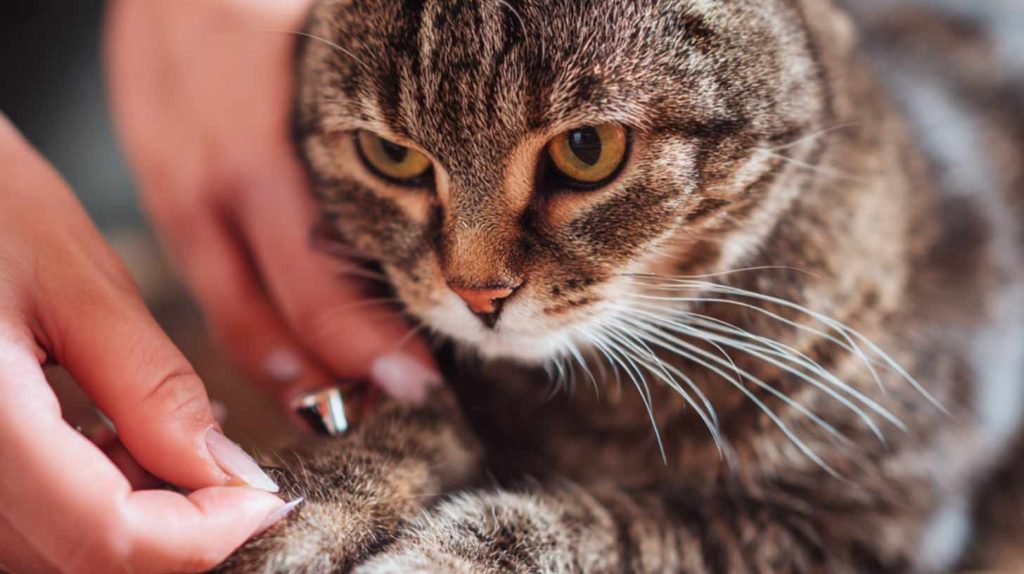
Moreover, regularly trim its nails with clippers. However, if your kitty refuses to let you clip her claws, you can visit a vet or a groomer for help.
Eye Care
You can see for tearing, crust, cloudiness, or inflammation in your cat’s eye through a simple home eye exam. Examine your cat’s eyes in a brightly lit room. They should be clear, the eyeballs should be white, and both pupils should be equal in size.
Gently roll down the cat’s eyelids and make sure that they are pink, not red or white. Always wipe away gunk from your cat’s eye with clean and damp cotton balls.
Caring for Cats at Every Stage
Let’s see how you can take care of your feline at every stage and keep it healthy and happy.
Kittens
Kittens experience the fastest growth of all cats’ lives and need specialized care to support healthy development. Your focus should be on proper nutrition for bone and muscle development.

Litter box training does come naturally to a kitten, but placing multiple boxes in different areas of the house helps them learn quickly. Introduce it to other cats or pets and try to feed them together to build confidence and reduce stress.
Adult Cats
After your cat reaches adulthood, it needs balanced maintenance to stay active and healthy. Feed it a diet that suits its activity level and body condition. Regular grooming is also important to prevent mats and hairballs.
Provide it with environmental enrichment to satisfy its natural instincts of playing and hunting. Routine veterinary checkups help monitor weight, dental health, and early signs of health problems.
Senior Cats
When cats enter their senior years, their needs change drastically. Older cats experience muscle loss, less activity, and vulnerability to health problems. Your focus should be on giving them a diet with high-quality and easily digestible protein.
Provide them with a stable environment, get them checked by a vet regularly, and watch for any physical or behavioral changes.
Cat Care for Beginners
Here are some new cat-owner safety tips.
- Avoid getting poisonous plants for your home.
- Do not keep cleaning products lying around.
- Keep your medicines and pills locked away.
- Be careful with breakable items.
- Keep the cords for blinds tied.
- Keep the trash can and toilet lids closed
- Keep windows and window screens secured.
- Keep their litter box clean.
- Learn about their body language, as cats mostly communicate through it.
Essential Cat Supplies
Here are all the essentials you need for your cat.

Feeding Supplies
- Age-appropriate and high-quality cat food
- Food bowls
- Fresh water bowl or cat water fountain
- Food measuring scoop
- Treats for training
Litter Essentials
- Cat litter
- Litter box
- Litter scoop
- Litter mat
- Odor control products
Comfort and Resting Items
- Cat bed
- Blankets
- Window perch (optional)
Scratching and Climbing
- Scratching posts
- Cat tree
Toys and Enrichment
- Interactive toys
- Puzzle toys
- Balls, mice, and kick toys
- Rotating toys to help them get rid of boredom
Grooming and Hygiene
- Cat’s fur brush
- Nail clippers
- Cat-safe wipes
- Cat shampoo
- Toothbrush and cat-safe toothpaste
Health and Safety
- Cat carrier
- Identification tag
- Vet-approved flea, tick, and parasite prevention
- First-aid basics
Training and Behavior Support
- Clicker(optional)
- Treat pouch
Home Safety Items
- Covered trash bins
- Pet-safe cleaning supplies
- Cord protectors
- Secure screens for windows and balconies
Wrapping Up
While having a new cat is thrilling, you need to take care of it in every aspect. From health, grooming, and enrichment to nutrition-filled diet and comfort, a cat owner should ensure that their feline friend is happy and healthy.
This cat care guide explained everything in detail for new cat parents as well as experienced feline owners who would like to take extra care of their adorable pets.
For more interesting and informative blogs, feel free to visit Pet Guides.
FAQs
How often should I take My Cat to the Vet if it is Healthy?
Even if your cat seems healthy, annual veterinary checkups are important. For senior cats, take them to the vet every 6 months.
What is the Best Way to Reduce Litter Box Smell without stressing my Cat?
The best way to control litter odor is by daily scooping, using a low-dust clumping litter, and placing the box in a well-ventilated area. Do not use heavy fragrances as they discourage cats from using the box and cause elimination problems.
Can Indoor Cats get Fleas and Parasites?
Yes, indoor cats can still get fleas through clothing, shoes, open windows, and other pets. This is why vet visits are necessary to detect parasites early, even for cats that never go outside.
Is it Safe to Let my Cat Go Outside Occasionally?
Yes, you can let your cat go outside occasionally, but in a supervised way. Use harnesses for walks or use enclosed cat patios (catios). Unsupervised roaming can cause injuries, disease, poisoning, and even theft.