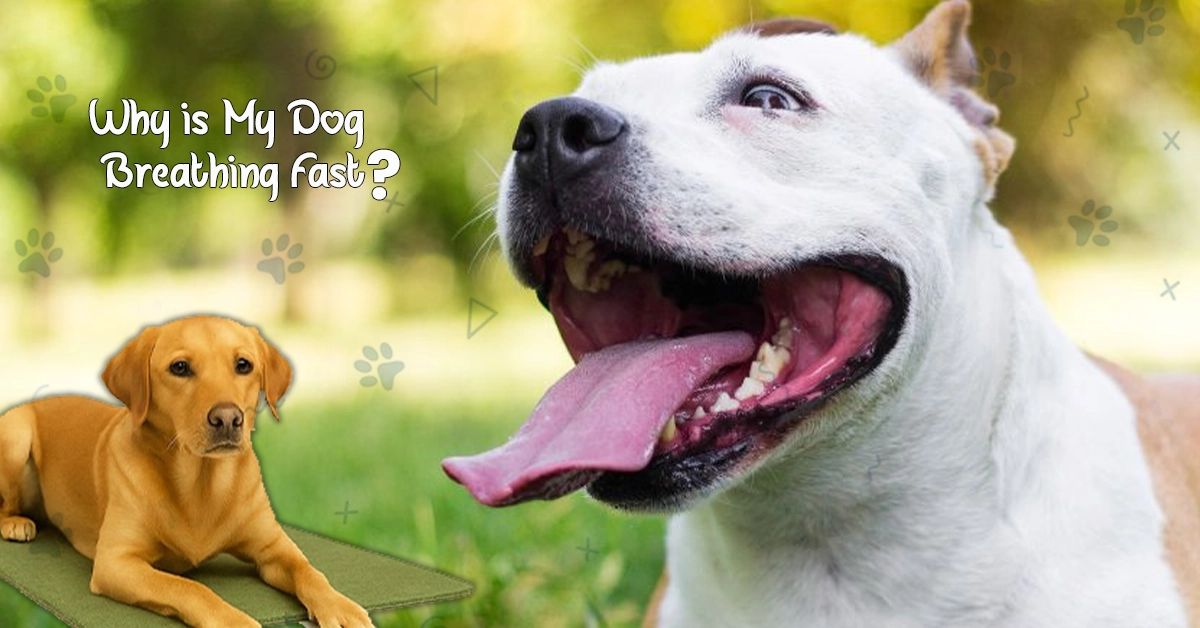

Seeing your dog breathing fast can be worrisome for every pet parent. The typical breathing rate in dogs is 15 to 30 breaths every minute when at rest or asleep. It can increase after playing, but should become normal within minutes.
However, if you see rapid breathing with noise or the dog is distressed and restless, it might be a sign of an underlying cause. This guide explains what normal panting is and what is not, so you can understand your dog’s breathing and act accordingly.
Disclaimer: This blog is not medical advice regarding pets. It is for educational purposes only. If your dog is breathing fast, showing trouble breathing, or if you are concerned about your dog’s panting heavily, please contact a veterinarian.
30-Second Summary
If you are concerned about “why is my dog breathing fast?”, this guide explains it all. You will learn about what normal breathing is and what is not considered normal.
Discover what to do when your dog starts breathing fast, the causes of rapid breathing, types of heavy breathing, how this issue is treated in dogs, and how you can prevent this from happening.
What is Considered Normal Breathing in Dogs?
A typical dog’s breathing rate is 15 to 30 breaths per minute when resting. A puppy or an excited dog may have rapid breathing, but a healthy respiratory pattern is smooth.
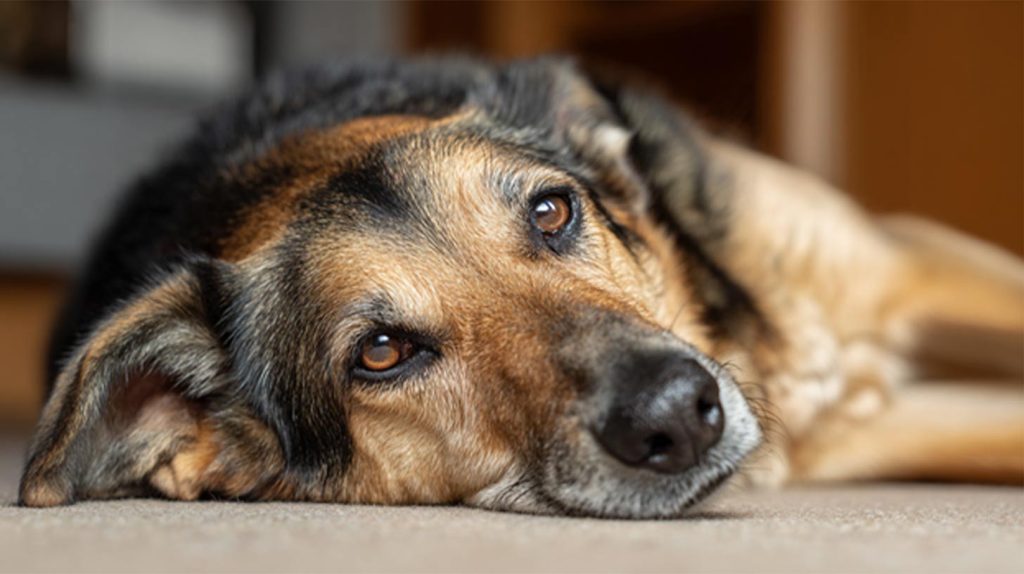
What Normal Panting Looks Like
Dogs pant to regulate their body temperature. They do not sweat like humans, so fast breathing helps release heat. Most dogs pant on warm days, when excited, after exercise, or when slightly stressed.
Normal panting looks like
- Relaxed body
- Open mouth
- Smooth chest movement
- No choking, wheezing, or visibly labored breathing
When Fast Breathing is Okay
Your dog is breathing fast, but acting normal if
- They are cooling down from the heat.
- They just finished playing or running.
- They are mildly excited.
- They are a puppy (they basically breathe faster, particularly while sleeping).
In these cases, the dog’s normal respiratory rate returns once they calm down.
What is Not Normal: Red Flags
If your furry friend is breathing abnormally fast, using its stomach muscles, or breathing with extreme difficulty, this may be a sign of a problem.
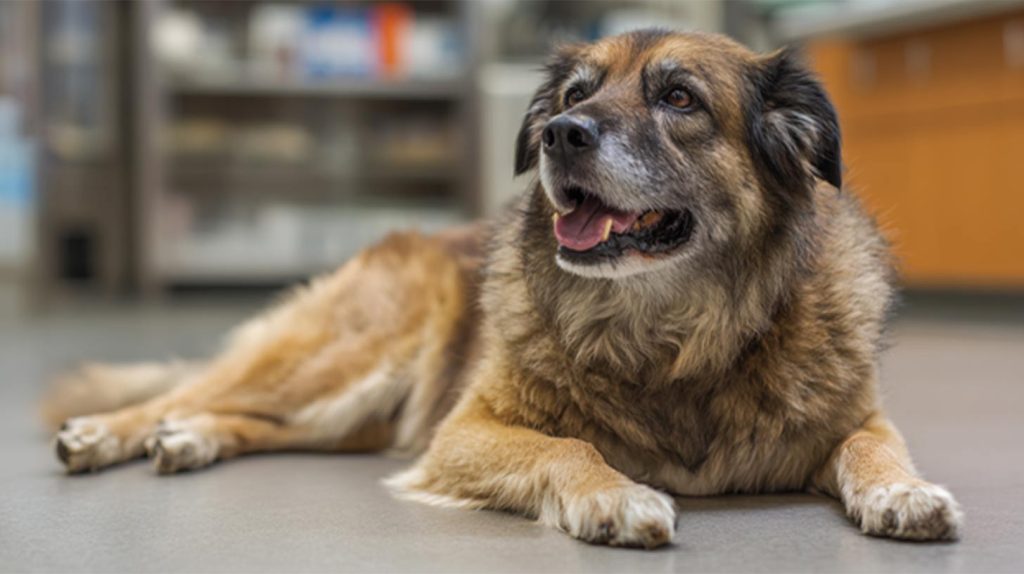
The following are signs that your dog might be experiencing respiratory distress and that you need to take them to a vet quickly.
When to Worry about Your Dog Breathing
- Noticeably labored breathing or increased respiratory effort
- Engaging stomach muscles to help breathe
- Brick-red, pale, or blue-tinged gums
- Reluctance in eating, moving, or drinking
- Open-mouthed breathing when at rest
- Wheezing, choking, or noisy breathing
- Uncharacteristic drooling
- Difficulty breathing even indoors at a normal temperature
If your dog is breathing fast while looking normal, it is best to book an appointment with the vet.
What to do if my Dog is Hyperventilating
Try to stay calm and avoid things that make your dog stressed or excited, and keep them in a cool and well-ventilated room.
Always take your dog to the vet if its breathing has changed. If the change is faster, it signals that the problem is urgent.
A gradual increase in breathing counts while resting may be an early sign of a heart condition or bronchitis getting worse. Start counting your dog’s breaths and record the number per minute a few times a week to monitor their health.
Causes of Fast Breathing in Dogs
The following can be the causes of dog breathing problems.
Heat and Heatstroke
Heat is one of the most common reasons why a dog pants heavily. When the body of a dog overheats, panting becomes intense to lower body temperature.
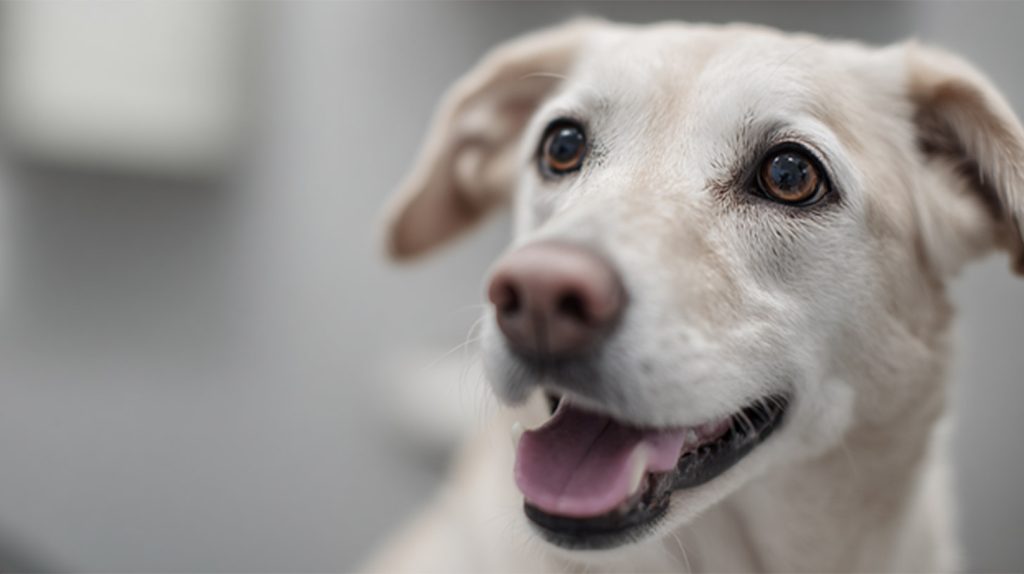
The heatstroke in dogs symptoms are
- Excessive panting
- Nausea or vomiting
- Drooling
- Weakness
- Brick red gums
- Collapsing
Anxiety, Stress, or Psychological Factors
Sometimes, rapid breathing in dogs is due to anxiety or other psychological factors, such as fear, separation anxiety, or loud noises. A dog may also show
- Hiding
- Restlessness
- Trembling
A certified dog behaviorist can help if the anxiety becomes severe or frequent.
Pain or Discomfort
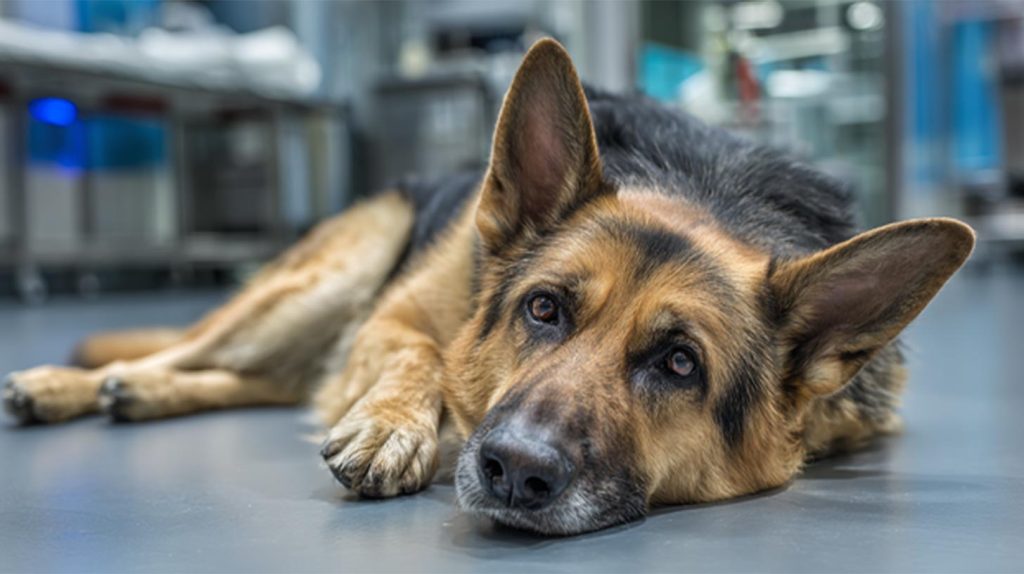
Oftentimes, dog respiratory distress comes with pain or injury. Fast breathing is a common clue. Pain sources can be
- Injuries
- Arthritis
- Abdominal pain
- Broken ribs
- Post-surgery discomfort
In clinics, vets prescribe pain relief, but owners should never give any human medications at home.
Overexertion
It is normal for a dog to breathe fast after exercise. After a long walk or intense play, they may breathe fast temporarily. But it needs attention when
- It lasts more than 10 to 15 minutes.
- The dog seems weak.
- The dog keeps breathing fast while resting long after activity.
Respiratory Infections and Upper Airway Problems
Conditions affecting the upper respiratory tract also cause breathing in dogs to become noisy and effortful.
Some common issues are
- Kennel cough
- Respiratory infections
- Collapsing trachea
- Windpipe stiffening
- Asthma lung disease (rare but possible)
- Foreign objects
Heart Disease and Circulatory Issues
Heart diseases also cause rapid breathing and fatigue, reducing oxygen flow. The dog’s heart disease signs include
- Coughing
- Fainting
- Exercise intolerance
- Swollen abdomen
Lung Problems
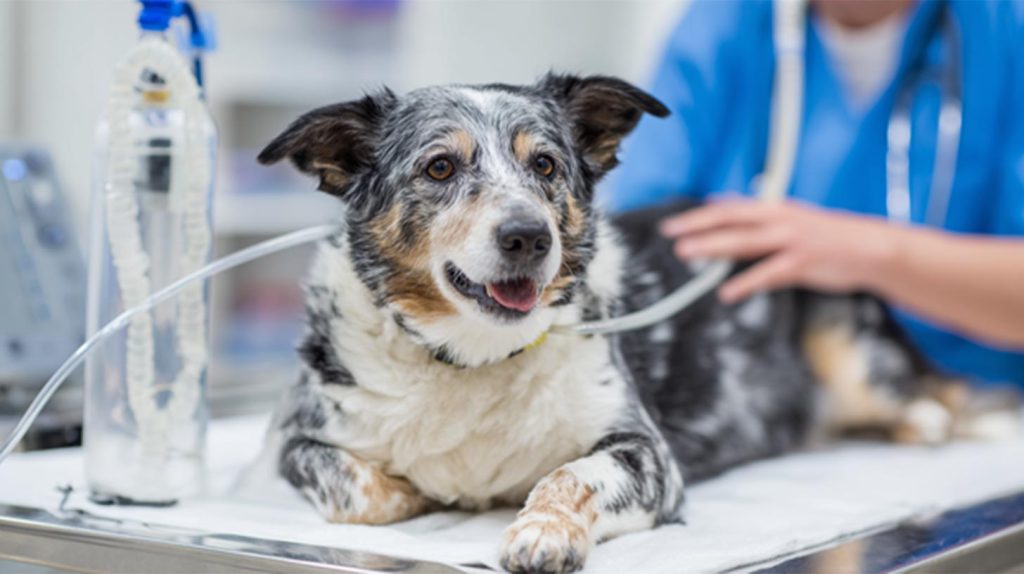
Some serious lung conditions that affect a dog’s lungs are
- Lung tumors
- Pneumonia
- Pulmonary edema
- Smoke inhalation
- Trauma
- Developing breathing issues due to old age or any previous medical issues.
These can make it difficult for dogs to get oxygen and even lead to emergency-level breathing difficulties.
Anemia or Internal Conditions
Anemia also reduces oxygen-carrying capacities, making dogs breathe faster. Some other internal conditions include
- Hernia
- Fever
- Metabolic disease
These need diagnostics to confirm any underlying cause.
Types of Heavy Breathing in Dogs
Basically, heavy breathing is a general term that includes different types of abnormal breathing in dogs.
Labored Breathing
This type of breathing is a medical emergency. Dogs with labored breathing often stand with their front legs wide open to expand their chest fully. They also stretch their neck, as they cannot breathe properly.
These symptoms are accompanied by odd colored gums, like pale, gray, blue, or purple, coughing, or fluid from the mouth and nose. These signs need the attention of a veterinarian.
Fast/ Rapid Breathing
Rapid or fast breathing is totally normal in your dog if they are excited, stressed, or exercising. However, it becomes a problem if it goes on while they are at rest.
If your dog’s respiratory rate is more than 30 breaths every minute while asleep or resting, this is a sign of a medical emergency, such as heart, lung, or airway issues.
Heavy Breathing through the Nose
Breathing heavily through the nose or nostril flaring can be due to aggression, stress, exercise, or excitement. However, if the dog is breathing heavily through the nose while he is resting, it can be a medical emergency.
Breathing from the Stomach
The healthy breathing pattern of a dog is rhythmic, and the chest and abdomen move together. If the abdomen is pushing when your dog is breathing, it signals that they are having trouble removing air from their lungs.
This is also seen as a medical emergency, as it mostly happens to dogs with bronchitis, air or fluid around the lungs, or congestive heart failure.
Shallow Breathing
Short and quick breaths while they do not have hiccups, are not stressed, and have not been exercising, also indicate an underlying issue that can be evaluated by the vet.
Heavy Breathing while Resting
When your dog starts breathing heavily while at rest or sleeping, it is usually the first sign that there is something wrong with the lungs or airways.
The sleeping respiratory rate (also called SRR) is monitored in dogs who suffer from congestive heart failure or any heart disease, because it is the first symptom that their lungs are getting filled with fluid.
Dog Breathing Fast at Night
As mentioned above, when a dog breathes rapidly at night or while they are sleeping, this is usually a sign of a lung or airway disease.
If your dog is restlessly pacing around and coughing, has an outstretched neck, changing color of gums, and is not getting comfortable, seeking veterinary advice immediately is the best option.
Fast Breathing in Puppies
If your puppy is bright, playful, and alert, and eats well, heavy breathing is not something to worry about. They are also prone to breathing heavily during sleep due to dreaming.

However, if you notice that your puppy is tired, is vomiting, has diarrhea, has nasal or eye discharge, stops eating, and is not as active as before, vets diagnose the cause immediately.
Labored Breathing in Older Dogs
Older dogs are more vulnerable to medical problems, such as heart failure, bronchitis, and lung cancer. These problems can lead to heavy breathing. You should watch your old dog closely and contact the vet if the condition worsens.
Heavy Breathing due to Stuffy Nose
Your dog may be breathing faster or heavily due to a stuffy nose. However, if it is paired with nasal and eye discharge, bulging eyes or sinuses, persistent coughing or sneezing, and changes in appetite, you need to call your vet.
How Fast Breathing in Dogs is Treated
The treatment of dogs depends on the accurate diagnosis and may include
- Intravenous fluids
- Oxygen therapy
- Pain relief
- Antibiotics for infections
- Cooling treatments for heatstroke
- Surgery for hernia or other issues
- Managing heart diseases
- Removal or treatment of lung tumors
Dogs that suffer from cardiac or respiratory issues are monitored closely by the vet until they are stable.
How to Prevent Breathing Problems in Dogs

- Do not make your dog overexert during heat.
- Try to keep a healthy weight through a balanced diet.
- Keep vaccinations up to date.
- If your dog has anxiety, manage it with training or a certified dog behaviorist.
- Go to regular vet checkups.
- Address any psychological factors early on.
- Keep all sorts of choking hazards away.
A typical healthy dog with a normal temperature keeps a healthy respiratory pattern.
Final Thoughts
If you have ever wondered, “Why is my dog breathing fast?”, the answer can be simple cooling methods or serious medical conditions. Understanding the difference between normal panting and abnormal breathing helps pet owners take quick action.
When the breathing pattern looks unusual, full of effort, and persistent, you need to consult a veterinarian immediately.
Learn more about pet-related information by visiting Pet Guides.
FAQs
Why does my Dog Breathe Fast while Resting Inside the House?
A dog breathing fast while indoors and at rest may be reacting to heat, anxiety, mild pain, or cooling down after a recent activity. However, if this pattern persists and breathing remains effortful, it might be a symptom of a medical condition, which you need to get checked quickly.
Is Fast Breathing in Puppies Normal?
Fast breathing in puppies is normal due to their high metabolic rate, particularly during play or sleep. Rapid breathing during dreams is also normal. However, if a puppy is awake while breathing faster, showing signs of weakness, or having trouble eating, getting them checked by a vet is necessary.
Can Anxiety Make a Dog Breathe Faster?
Yes, dogs breathe rapidly when anxious or stressed. This episode can be triggered by separation, loud noises, past trauma, visitors, and even subtle environmental changes. You will also see symptoms like whining, pacing, or trembling. A certified dog behaviorist can manage these symptoms in your dog.
Why is my Dog Breathing Rapidly After Eating or Drinking?
Some dogs gulp air while eating quickly, which may temporarily increase their breathing. However, a dog breathing faster after eating can also be a cause of digestive discomfort, bloating issues, or pain due to movement. If this happens regularly with a swollen abdomen, contact your vet immediately.
Why does my Dog Breathe Fast without any Other Symptoms?
A dog may breathe rapidly without any other symptoms due to mild heat, excitement, dreaming, stress, or any temporary discomfort. However, the early stages of heart disease, lung problems, and anemia also look mild at first. Note when it happens. A pattern helps your vet make an accurate assessment.