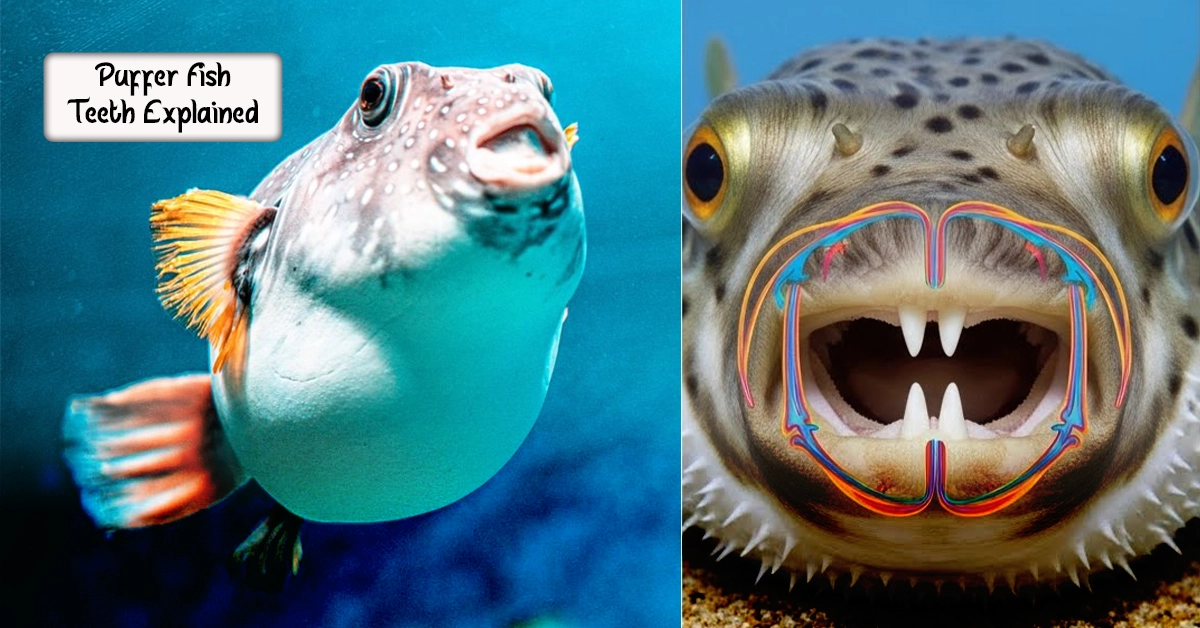

If you have seen a puffer fish, you must know their teeth are a unique feature. The fascinating part is that their teeth are not like most fish. They have a hard, beak-like structure that never stops growing.
Without responsible care, it can lead to serious health issues. This guide explains why puffer fish teeth form a beak, how they grow, common problems, and how diet and aquarium care play an essential role in keeping these fish healthy.
30-Second Summary
- Puffer fish teeth are their unique feature. There are two on the upper jaw and two on the bottom.
- These teeth fuse together to create a beak-like structure that is important to crush hard-shelled prey.
- Without a proper hard-shelled diet, their teeth tend to overgrow, resulting in dental issues.
- Veterinary trimming is the safest option because they properly sedate the fish and use appropriate tools to trim puffers’ teeth.
- Aquarium owners should monitor their eating behavior, reduce stress, keep the fish in appropriately sized aquariums, and give them hard food regularly to prevent dental problems.
What are Puffer Fish Teeth?
When learning about this fish, you must be wondering, “Do puffer fish have teeth?” The answer is yes, but not in the traditional sense.

Puffer fish actually have four teeth. Two are on the upper jaw, and two are on the bottom. These four teeth merge to create a strong beak. This beak works like shears, allowing puffers to crush hard foods.
Why do Puffer Fish Beak Form a Beak?
The puffer fish beak is an evolutionary adaptation. Puffers feed on hard-shelled creatures like snails, mollusks, and crabs. This beak helps them crush the shells.
Additionally, due to this beak-like tooth structure, they grind down hard exoskeletons and eat nutrient-rich prey unavailable to other types of fish. Without their fused teeth, puffers would struggle to survive in their natural habitats.
Puffer Fish Teeth Growth
To care for puffer fish, you need to understand how puffer fish’s teeth grow. Unlike human (and other fish), their teeth never stop growing.

In their natural habitat, this growth is balanced by regular shell crushing and natural abrasion from eating hard prey.
However, in aquariums, the soft diet prevents tooth wear. When they keep growing faster than they wear down, the problems occur.
Puffer Fish Teeth Problem
Puffer fish’s overgrown teeth result in most health problems when they are in aquariums. When the teeth are not trimmed, they result in
- Struggling to eat
- Rapid weight loss
- Stress and aggression
- Eventually starvation
Apart from these, overgrown teeth also damage the jaw and mouth, leading to serious infections.
Freshwater vs Saltwater Puffer Fish Teeth
Both freshwater and saltwater puffer fish teeth grow continuously. However, their feeding habits are different.
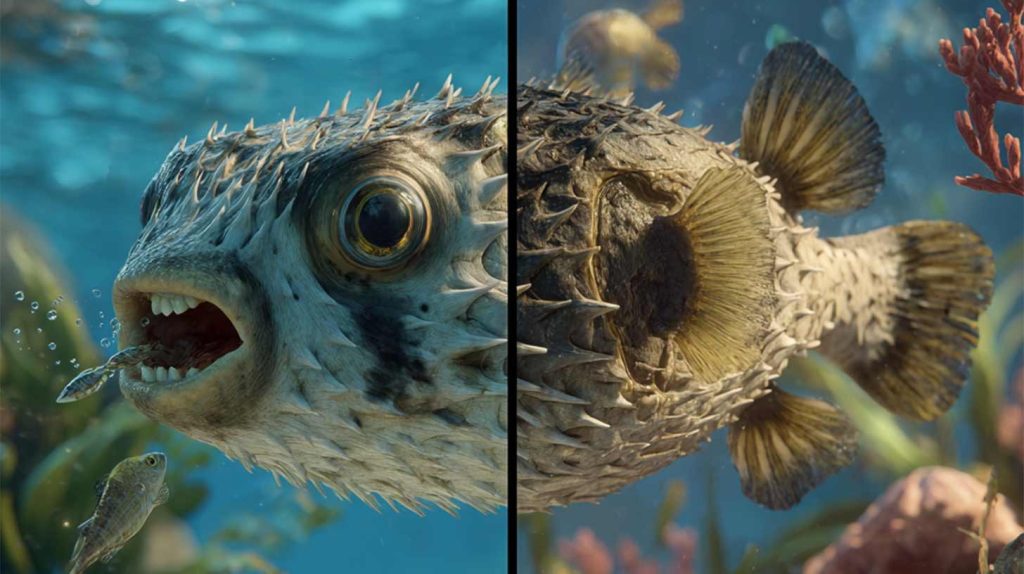
- Freshwater puffers mostly eat snails and crustaceans.
- Saltwater puffer fish eat harder marine creatures like crabs and clams.
Regardless of their habitat, puffers’ eating habits keep trimming their teeth, keeping them at an optimal length.
How Diet Affects Puffer Fish Teeth
The most effective dental care for puffers is their diet. As discussed above, food is the one thing that keeps their teeth at proper length.
Soft foods like frozen bloodworms or pellets are not enough. They can be a part of their diet, but you need shelled snails, clams, mussels, cockles, crab legs, and other hard-shelled invertebrates to reduce the risk of dental problems.
Puffer Fish Feeding Tips
If you are a beginner, here are some feeding tips for keeping your puffers’ teeth healthy.

- Give them hard foods at least 2 to 3 times every week.
- Rotate food types for balanced nutrition.
- Do not give them soft food constantly.
- Observe their eating behavior closely.
- Encourage natural chewing behavior to prevent overgrowth.
Puffer Fish Beak Care and Dental Maintenance
Regular observation is the first step for puffer fish beak care. Watch for the signs of missed bites, visible beak elongation, or difficulty picking up food.
In such cases, preventive care is the best solution. A varied diet and a proper feeding schedule ensure natural trimming and reduce the need for manual one.
When is Puffer Fish Tooth Trimming Important?
Even with proper diet and monitoring, puffers can develop dental overgrowth, which cannot be fixed with feeding alone. This is when teeth trimming becomes necessary, particularly when the overgrowth starts interfering with normal health and behavior.

Beyond a functional length, teeth become a leading cause of puffer fish health issues. These fish are also highly sensitive. Therefore, trimming should be done with minimal stress and precision.
Incorrect tools, lack of experience, or improper handling can cause injury and even death. This is why trimming should be handled by an aquatic vet or an experienced professional.
Safe Puffer Fish Dental Care Practices
Puffer fish dental care can be handled in two ways: veterinary trimming and experienced hobbyist trimming.

Veterinary Trimming
Veterinary trimming is considered the safest and most reliable option. Aquatic veterinarians sedate the fish to reduce stress and movement. The trimming is precise without any damage to the jaw or surrounding tissue.
Sedation also reduces the risk of getting injured due to panic, which is common in puffer fish. This method carries the lowest risk and is recommended for severe overgrowth or inexperienced owners.
Experienced Hobbyist Trimming
Some experienced aquarium owners trim puffers’ teeth by themselves. However, this approach is risky. You need specialized tools, restraint techniques, and good knowledge of the fish’s anatomy.
Puffer fish are extremely sensitive to stress, so DIY trimming is not recommended. Even a slight mistake can cause fatal injuries. After trimming, the fish should be monitored and given a tooth-wearing diet to prevent beak overgrowth.
Aquarium Care Tips to Prevent Teeth Issues
Proper aquarium care for puffer fish is important in preventing dental problems as well as for the overall well-being.

Maintain stable water parameters. Poor quality water makes the fish stressed, which leads to disturbed feeding behavior and a weakened immune system. Regular water changes, proper filtration, and consistent temperature keep feeding behavior normal.
Tank size also matters a lot. Puffer fish kept in cramped aquariums display aggressive or erratic behavior, which interferes with their feeding routines. Therefore, use an adequately sized aquarium to give a healthy environment to puffers.
Lastly, minimize stress for them. Aggressive tank mates, sudden lighting changes, and inconsistent feeding all increase their stress levels. Provide them with a calm and predictable environment for a healthy immune system and well-maintained teeth.
Wrapping Up
Understanding puffer fish teeth is important for a responsible owner. Their unique beak is a powerful tool and requires proper care. Improper diet, continuous growth, and lack of monitoring can result in serious health problems.
Give them the right diet and consistently observe their tooth growth for a healthy and active puffer fish without dental complications.
Learn more about animals and their unique traits on Pet Guides.
FAQs
Does Water Quality Affect Puffer Fish Teeth Growth?
Yes. Poor water quality increases stress, which reduces appetite and changes their eating behavior. When puffers stop chewing hard food, their teeth can overgrow, resulting in more problems.
Do Aquarium Decorations Help with Puffer Fish Teeth Maintenance?
Yes, using shells, rocks, and other objects encourages natural foraging behavior. This interaction with food supports the puffer fish beak care and promotes natural trimming.
Can stress alone cause Puffer Fish Teeth issues?
Yes, stress indirectly affects their tooth growth. When puffers are stressed, their appetite reduces, and so does their chewing activity. Over time, this can worsen their dental health even when the diet is appropriate.
What are the Early Signs of Dental Issues in Aquarium Puffer Fish?
Early signs include dropping food repeatedly, difficulty grasping food, slow feeding, and less interest in hard prey. Catching these signs early prevents the problem from getting out of hand.
Is Dental Care different for Freshwater and Saltwater Puffer Fish?
Both of them need a tooth-wearing diet; however, dental issues in freshwater fish are more common. They have limited prey options in the aquarium. On the contrary, saltwater puffer fish have more options for shelled marine food, getting more natural wear.